
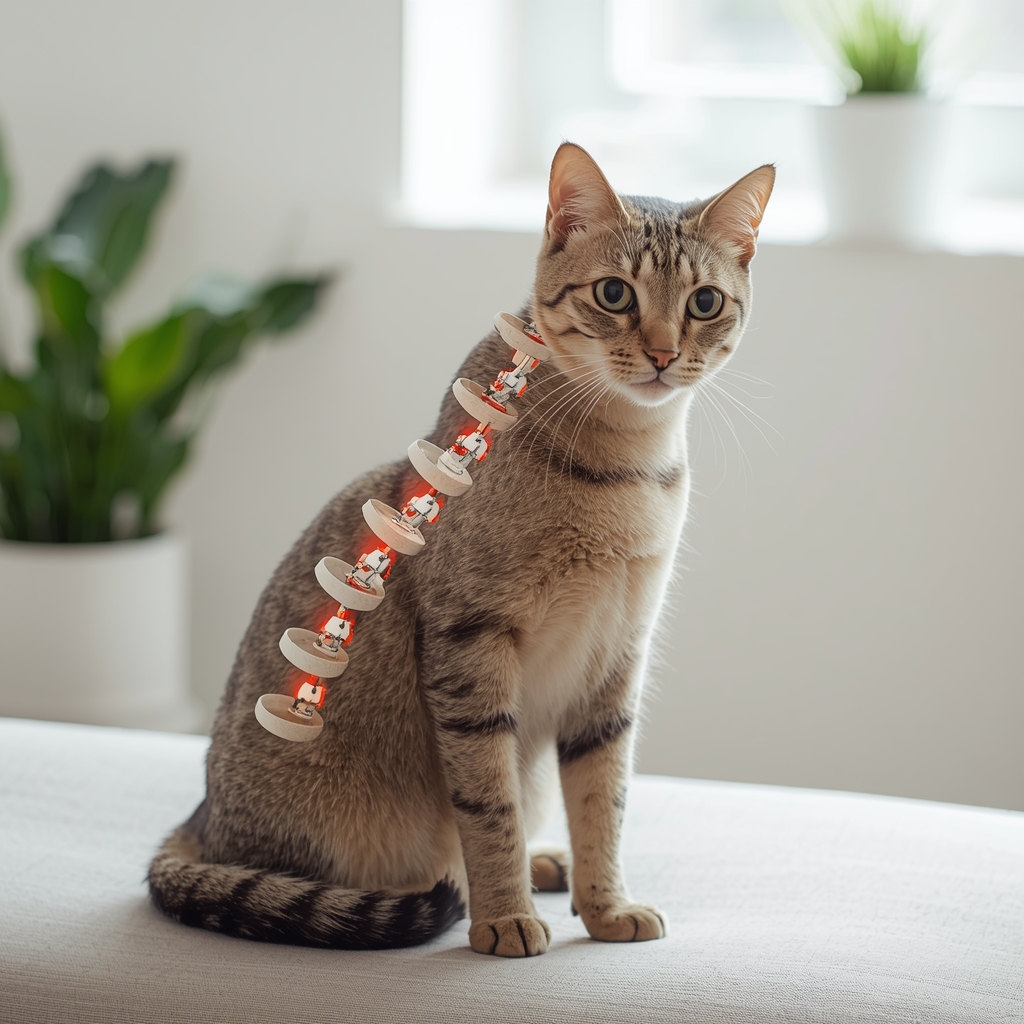
Understanding Arthritis in Senior Cats
Arthritis, or joint inflammation, is a common condition in senior cats, often resulting from wear and tear on joints over time. As cats age, their cartilage may degrade, leading to pain, stiffness, and reduced mobility. Symptoms can include difficulty jumping, reluctance to climb, or changes in grooming habits. While arthritis is more prevalent in dogs, it affects a significant number of older felines, impacting their quality of life. Managing this condition requires a holistic approach, as cats are naturally stoic and may hide discomfort. Chiropractic care is one potential option for supporting joint health and comfort, but it’s essential to understand how it applies specifically to felines compared to other animals.
The Role of Chiropractic Care in Feline Arthritis
Chiropractic care for cats focuses on aligning the spine and joints to improve nervous system function and alleviate pain. In senior cats with arthritis, misalignments (subluxations) may exacerbate joint stress, contributing to discomfort. Adjustments aim to restore proper mobility, reduce inflammation, and enhance the body’s natural healing processes. While research on feline chiropractic care is limited, many practitioners report improved mobility and comfort in arthritic cats following treatment. It’s important to note that chiropractic care is not a cure for arthritis but may complement other therapies. The gentle, non-invasive nature of adjustments makes it a viable option for older cats, though results can vary based on the individual’s condition and the expertise of the provider.
How Feline Chiropractic Care Differs from Canine Treatments
While both cats and dogs can benefit from chiropractic care, the approach often differs due to anatomical and behavioral distinctions. Cats have more flexible spines and smaller, more delicate joints, requiring adjustments to be even gentler than those for dogs. Additionally, cats are less likely to tolerate prolonged handling, so sessions may be shorter and more frequent. Canine treatments might involve more extensive mobilization techniques, whereas feline care prioritizes precision and minimal disruption. The goals also vary: dogs may receive care for performance or sports-related issues, while cats often focus on pain management and maintaining mobility. These differences highlight the importance of seeking a veterinarian or chiropractor experienced in feline-specific care to ensure safety and effectiveness.
Safety Considerations for Senior Cats
Chiropractic care for senior cats must be approached with caution, as older felines often have additional health concerns. A thorough veterinary evaluation is crucial before starting any treatment to rule out conditions that could complicate adjustments, such as osteoporosis or severe joint degeneration. Practitioners should use light, targeted techniques to avoid causing pain or further injury. Owners should monitor their cats for signs of discomfort during or after sessions, such as vocalization or withdrawal. It’s also vital to work with a licensed professional who has experience with cats, as improper adjustments can lead to adverse effects. While generally safe, chiropractic care is not suitable for all senior cats, and alternatives like physical therapy or medication may be recommended depending on the individual’s needs.
Complementary Approaches to Arthritis Management
Chiropractic care often works best when combined with other strategies to manage feline arthritis. Weight management is critical, as excess weight can strain joints and worsen symptoms. A balanced diet rich in anti-inflammatory nutrients, such as omega-3 fatty acids, may also support joint health. Environmental modifications, like providing low-entry litter boxes or soft bedding, can reduce discomfort. Physical therapy exercises tailored for cats, such as gentle stretching, may improve flexibility. Pain management options, including prescription medications or supplements like glucosamine, are often used alongside chiropractic care. These combined approaches aim to enhance mobility, reduce pain, and promote overall well-being, but they should always be discussed with a veterinarian to ensure safety and appropriateness for the individual cat.
When to Consult a Veterinarian or Chiropractor
If you notice signs of arthritis in your senior cat, such as stiffness, lameness, or decreased activity, consult a veterinarian for a proper diagnosis. They can recommend a treatment plan that may include chiropractic care, medication, or lifestyle changes. It’s also essential to seek a chiropractor who specializes in small animals, particularly cats, to ensure they have the necessary training and experience. Before starting chiropractic sessions, discuss your cat’s medical history and any current treatments with both the vet and chiropractor to avoid conflicts. Regular follow-ups are important to monitor progress and adjust the care plan as needed. While chiropractic care can be a valuable tool, it should never replace professional veterinary advice. Always prioritize your cat’s safety and comfort by working with qualified experts who understand the unique needs of senior felines.











