
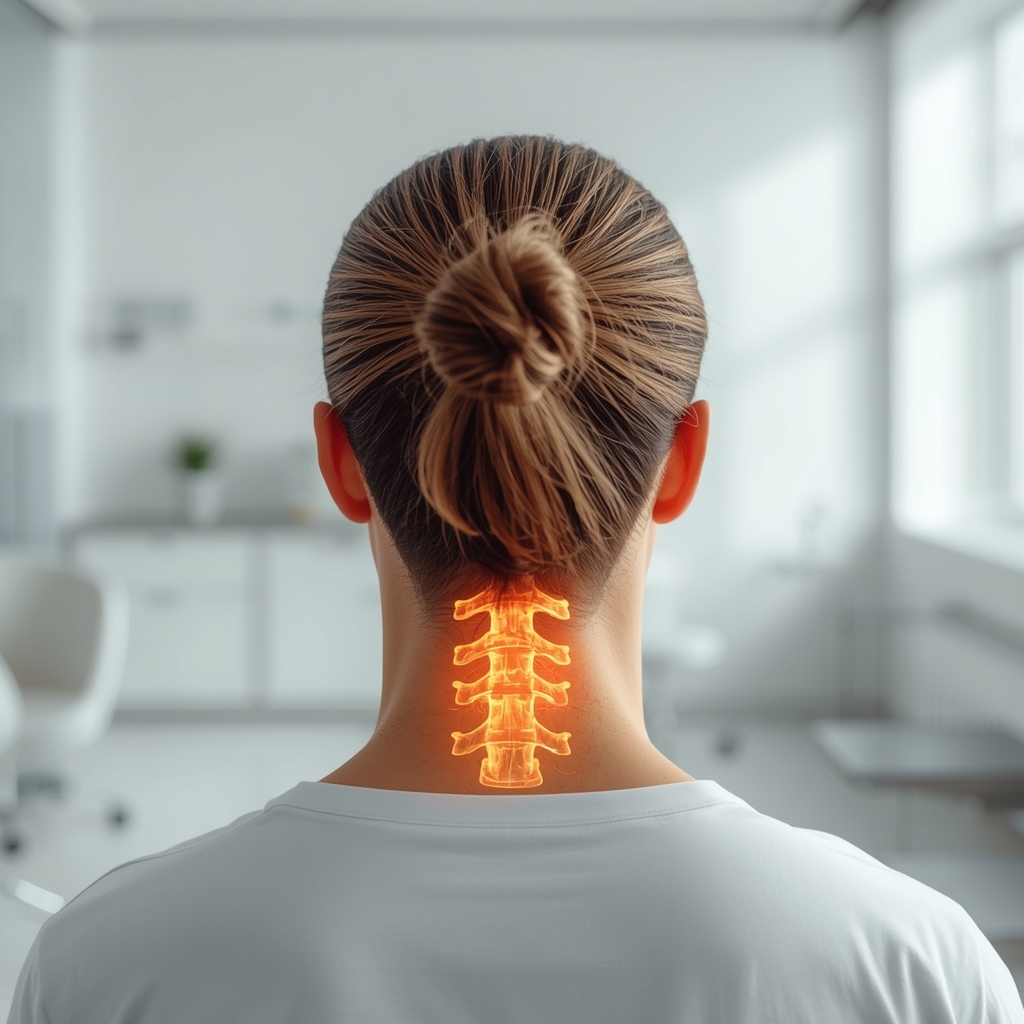
Understanding Cervical Spine Mobilization and Concussion Recovery
Cervical spine mobilization involves gentle, controlled movements of the neck to improve range of motion, reduce stiffness, and alleviate pain. For individuals recovering from concussions, this technique may address secondary symptoms linked to cervical spine dysfunction. Concussions often cause dizziness, headaches, and balance issues, which can overlap with cervical spine-related complaints. While the primary focus of concussion care is neurological recovery, some practitioners explore how cervical spine health might influence overall healing. This approach is part of a broader, integrative strategy to support recovery, though its role remains an area of ongoing research.
The Link Between Cervical Spine and Concussion Symptoms
The cervical spine houses nerves and blood vessels that connect to the brain, making it a potential factor in post-concussion symptoms. Trauma from a concussion can sometimes lead to neck strain or whiplash-like effects, exacerbating discomfort. Mobilization techniques aim to restore normal movement and reduce tension in the cervical region, which may indirectly support neurological function. For example, improved blood flow and nerve signaling in the neck could theoretically aid in reducing headaches or dizziness. However, the extent of this connection is not fully understood, and more studies are needed to establish clear causality between cervical spine mobilization and concussion recovery outcomes.
How Cervical Mobilization Might Aid Recovery
By addressing cervical spine restrictions, mobilization may help alleviate symptoms such as neck pain, stiffness, and headaches that often accompany concussions. These symptoms can mimic or worsen concussion-related issues, creating a cycle of discomfort. Techniques like soft tissue therapy, joint manipulation, or myofascial release are commonly used to restore mobility. Some practitioners suggest that reducing cervical strain could ease pressure on the nervous system, potentially supporting the brain’s healing process. However, it is crucial to note that these effects are not universally proven and should be discussed with a qualified chiropractor to ensure they align with an individual’s specific needs and recovery plan.
Evidence Supporting Cervical Spine Mobilization
Research on cervical spine mobilization for concussion recovery is limited but growing. Some studies indicate that addressing cervical spine dysfunction can improve symptoms like dizziness and neck pain in post-concussion patients. For instance, a small study published in a peer-reviewed journal found that patients who received cervical manipulation reported reduced headache frequency. However, these findings are not yet robust enough to form the basis of standard treatment protocols. Most evidence suggests that cervical mobilization may be a complementary approach rather than a primary intervention. Further clinical trials are needed to determine its efficacy, safety, and optimal application in concussion care.
Considerations for Patients and Practitioners
Before pursuing cervical spine mobilization for concussion recovery, patients should consult a licensed chiropractor or healthcare provider. Not all concussions involve cervical spine issues, and inappropriate techniques could worsen symptoms. A thorough evaluation is essential to determine if mobilization is suitable. Practitioners must also consider the patient’s overall condition, including the severity of the concussion and any concurrent injuries. While some patients may find relief through these methods, others may require different interventions. Open communication between the patient and provider ensures that any treatment aligns with the broader recovery goals and avoids potential risks.
Conclusion: A Holistic Approach to Concussion Care
Cervical spine mobilization remains a topic of interest in concussion recovery, offering potential benefits for patients experiencing related neck symptoms. While the evidence is not yet conclusive, many healthcare professionals recognize the value of a multidisciplinary approach to healing. Chiropractic care, when integrated with traditional medical treatments, may provide additional support for some individuals. However, it is vital to approach such interventions with caution and under professional guidance. As research continues, the role of cervical spine mobilization in concussion recovery will likely become clearer, helping to inform more effective, personalized care strategies.















