
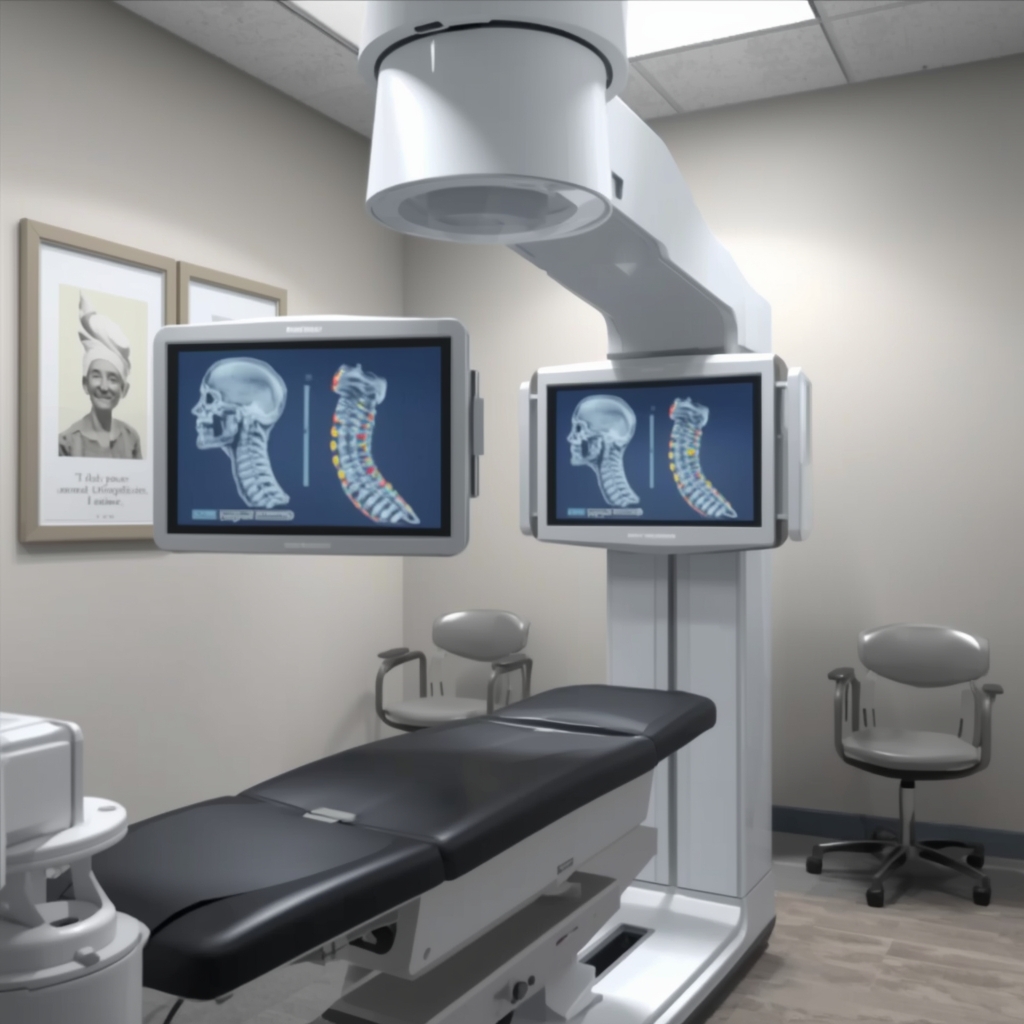
Evolution of Spinal Imaging in Chiropractic Care
Spinal imaging has become a cornerstone of modern chiropractic diagnostics, enabling practitioners to visualize the spine's structure and function with unprecedented clarity. Traditional methods like X-rays provided basic insights, but recent technological advancements have expanded diagnostic capabilities. These tools allow chiropractors to detect misalignments, degenerative changes, and soft tissue abnormalities more accurately. By integrating advanced imaging, practitioners can tailor treatment plans to individual patient needs, enhancing both precision and outcomes. This evolution reflects a broader trend toward evidence-based practices in chiropractic care, ensuring decisions are grounded in visual data rather than assumptions. As technology progresses, its role in refining diagnoses and improving patient care continues to grow.
3D Imaging and Real-Time Visualization
Three-dimensional (3D) imaging technologies, such as advanced X-ray systems and cone-beam computed tomography (CBCT), have revolutionized how chiropractors assess spinal structures. These tools create detailed, layered images of the spine, revealing complexities that traditional two-dimensional scans might miss. Real-time imaging, including dynamic X-ray (fluoroscopy), allows practitioners to observe spinal movement during adjustments, identifying functional abnormalities that static images cannot capture. This capability is particularly valuable for diagnosing conditions like subluxations or instability. By visualizing the spine in motion, chiropractors can better understand how adjustments affect alignment and function, leading to more targeted and effective treatments. As 3D imaging becomes more accessible, its impact on diagnostic accuracy and patient outcomes is expected to expand.
Artificial Intelligence and Machine Learning
Artificial intelligence (AI) is increasingly being integrated into spinal imaging systems to enhance diagnostic efficiency and accuracy. Machine learning algorithms analyze imaging data to detect patterns, such as subtle misalignments or degenerative changes, that might be overlooked by the human eye. These tools can also compare patient scans to vast databases of historical cases, aiding in differential diagnosis. For chiropractors, AI-powered imaging software reduces the risk of oversight and streamlines the diagnostic process. However, these technologies are not meant to replace clinical judgment but to support it. By combining AI insights with practitioner expertise, chiropractors can make more informed decisions, ensuring patients receive care that aligns with the latest scientific understanding.
Portable and Wearable Imaging Devices
The development of portable and wearable imaging technologies is making spinal diagnostics more accessible and convenient. Compact ultrasound devices, for instance, allow chiropractors to assess soft tissues, muscles, and ligaments on-site, reducing the need for referrals to specialized imaging centers. Wearable sensors equipped with motion-tracking technology can monitor spinal movement and posture during daily activities, providing continuous data that informs treatment strategies. These innovations enable more frequent assessments and real-time feedback, helping practitioners adjust care plans as needed. While still emerging, portable imaging tools are poised to transform how chiropractors evaluate and manage spinal conditions, emphasizing proactive and personalized care.
Advancements in MRI and Functional Imaging
Magnetic resonance imaging (MRI) has seen significant improvements, offering higher-resolution images of spinal soft tissues, discs, and nerves. Functional MRI (fMRI) and diffusion tensor imaging (DTI) go a step further by capturing how the spine interacts with the nervous system, providing insights into neurological connections. These advancements help chiropractors identify issues like nerve compression or inflammation that may contribute to pain or dysfunction. Additionally, improved MRI protocols reduce scan times and enhance patient comfort, making these technologies more practical for routine use. As MRI continues to evolve, its role in diagnosing complex spinal conditions and guiding non-invasive treatments will likely grow, reinforcing its value in modern chiropractic practice.
Future Directions and Integration Challenges
Looking ahead, spinal imaging technology is expected to become even more sophisticated, with potential breakthroughs in nanotechnology, quantum imaging, and augmented reality (AR) applications. These innovations could enable real-time, interactive visualization of the spine during adjustments, further refining treatment precision. However, integrating new technologies into clinical practice presents challenges, including cost, training, and data interpretation. Chiropractors must balance adopting cutting-edge tools with maintaining evidence-based approaches. Patient education will also be critical, as understanding the role of imaging in care can foster trust and compliance. As the field progresses, collaboration between technologists, researchers, and practitioners will be essential to ensure these advancements enhance, rather than complicate, chiropractic care.














