
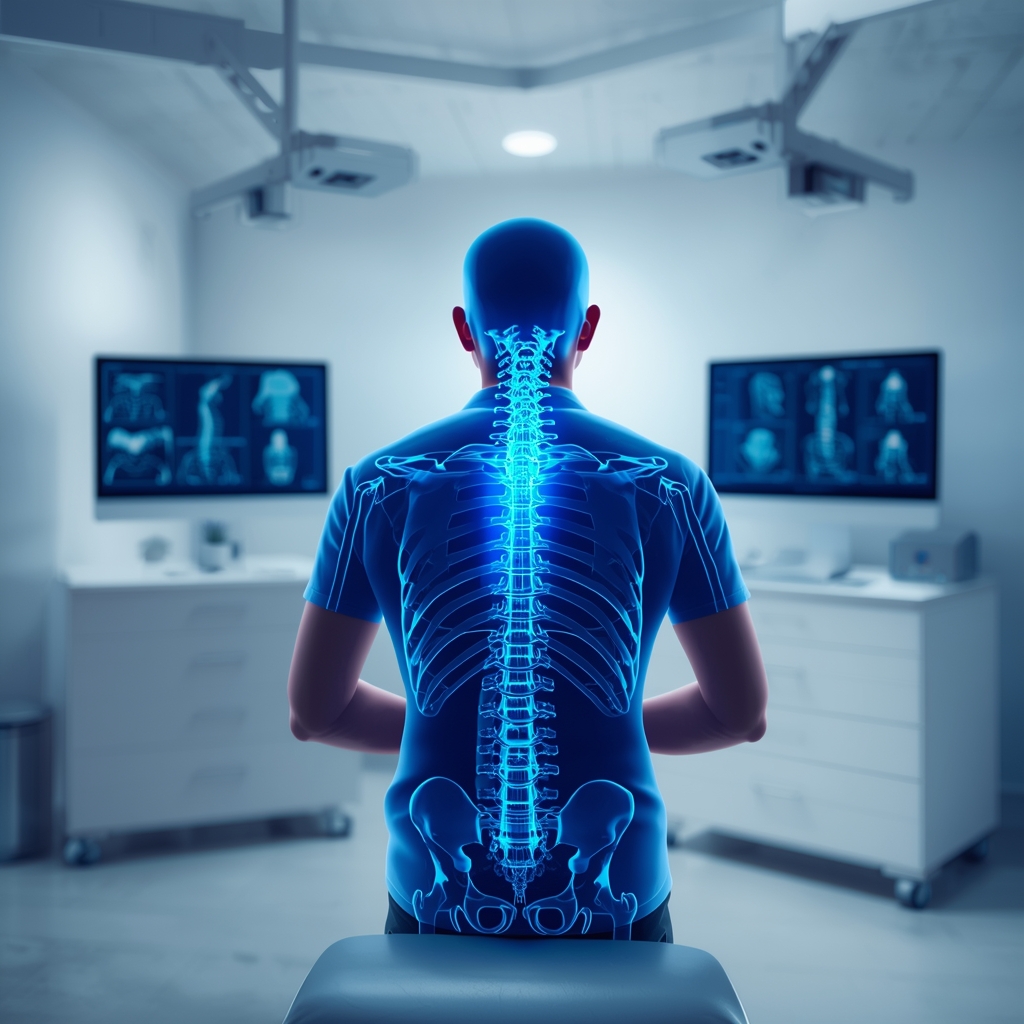
Advancements in 3D Spinal Imaging for Precision Diagnostics
Recent developments in 3D spinal imaging have significantly enhanced chiropractors' ability to visualize complex spinal structures. Technologies like 3D X-ray and advanced MRI scans provide detailed, multi-angle views of vertebrae, discs, and surrounding tissues. These tools allow practitioners to detect subtle misalignments, degenerative changes, or soft tissue abnormalities that might be missed with traditional 2D imaging. By offering a more comprehensive perspective, 3D imaging supports more accurate diagnoses and tailored treatment plans. Chiropractors can now better assess conditions like scoliosis, herniated discs, or spinal stenosis, ensuring interventions address root causes rather than symptoms. This evolution reflects a broader trend toward integrating cutting-edge technology into chiropractic care, improving patient outcomes through precision.
AI Integration in Image Analysis
Artificial intelligence (AI) is increasingly being used to analyze spinal imaging data, streamlining diagnostic processes and reducing human error. AI algorithms can rapidly identify patterns in X-rays, MRIs, or CT scans, flagging potential issues such as disc degeneration, facet joint abnormalities, or nerve compression. This technology aids chiropractors by providing second opinions or highlighting areas requiring closer examination. While AI does not replace clinical judgment, it enhances efficiency and consistency in interpreting complex images. As AI tools become more sophisticated, they may also predict disease progression or treatment responses, enabling proactive care strategies. However, practitioners must balance technological insights with patient-specific factors, ensuring technology complements—not overrides—clinical expertise.
Portable Imaging Devices for On-Site Assessments
Portable imaging technologies, such as handheld ultrasound devices and compact MRI systems, are making advanced diagnostics more accessible in chiropractic settings. These tools allow practitioners to perform real-time assessments during patient visits, reducing the need for referrals to external imaging centers. For example, musculoskeletal ultrasound can evaluate muscle, tendon, and ligament health on-site, guiding immediate treatment decisions. Portable systems also benefit rural or underserved areas by overcoming logistical barriers to care. While these devices offer convenience, their accuracy depends on proper training and calibration. As adoption grows, chiropractors must stay informed about best practices to ensure reliable results and maintain patient trust in technology-driven care.
Enhanced MRI Techniques for Soft Tissue Evaluation
Advances in magnetic resonance imaging (MRI) have improved the visualization of soft tissues, such as intervertebral discs, ligaments, and spinal cord structures. Techniques like high-resolution 3T MRI and diffusion tensor imaging (DTI) provide clearer insights into conditions like disc herniation, ligament tears, or spinal cord compression. These innovations help chiropractors differentiate between structural and functional issues, refining treatment approaches. For instance, DTI can reveal microstructural changes in nerve pathways, informing strategies to alleviate neuropathic pain. Enhanced MRI capabilities also support monitoring treatment progress, allowing adjustments to be made based on objective data. As these technologies evolve, their integration into chiropractic practice underscores a commitment to evidence-based, patient-centered care.
Infrared Thermography for Functional Assessments
Infrared thermography, which measures skin temperature variations, is gaining traction as a non-invasive tool for assessing spinal function. By detecting temperature asymmetries along the spine, this technology can indicate nerve interference, inflammation, or muscle imbalances. Chiropractors use thermography to identify areas of dysregulation that may not be apparent through traditional exams. While not a standalone diagnostic method, it complements other imaging techniques by offering a dynamic view of physiological responses. Research suggests thermography may aid in monitoring treatment effectiveness, as temperature patterns often normalize following adjustments. However, practitioners must interpret results within the context of a comprehensive evaluation to avoid over-reliance on single data points.
Ethical and Practical Considerations in Tech Adoption
As chiropractic practices adopt new imaging technologies, ethical and practical challenges arise. Cost, training, and data privacy are critical concerns, particularly for smaller clinics. Over-reliance on technology may also risk depersonalizing care, emphasizing the need to balance innovation with patient-centered communication. Additionally, chiropractors must ensure technologies are used appropriately, avoiding unnecessary scans that could lead to overtreatment. Regulatory frameworks and professional guidelines play a key role in shaping responsible adoption. Ultimately, the goal remains improving patient outcomes while upholding the core principles of chiropractic care. Ongoing education and collaboration with radiologists or other specialists will be essential as these tools become more integrated into practice.














