
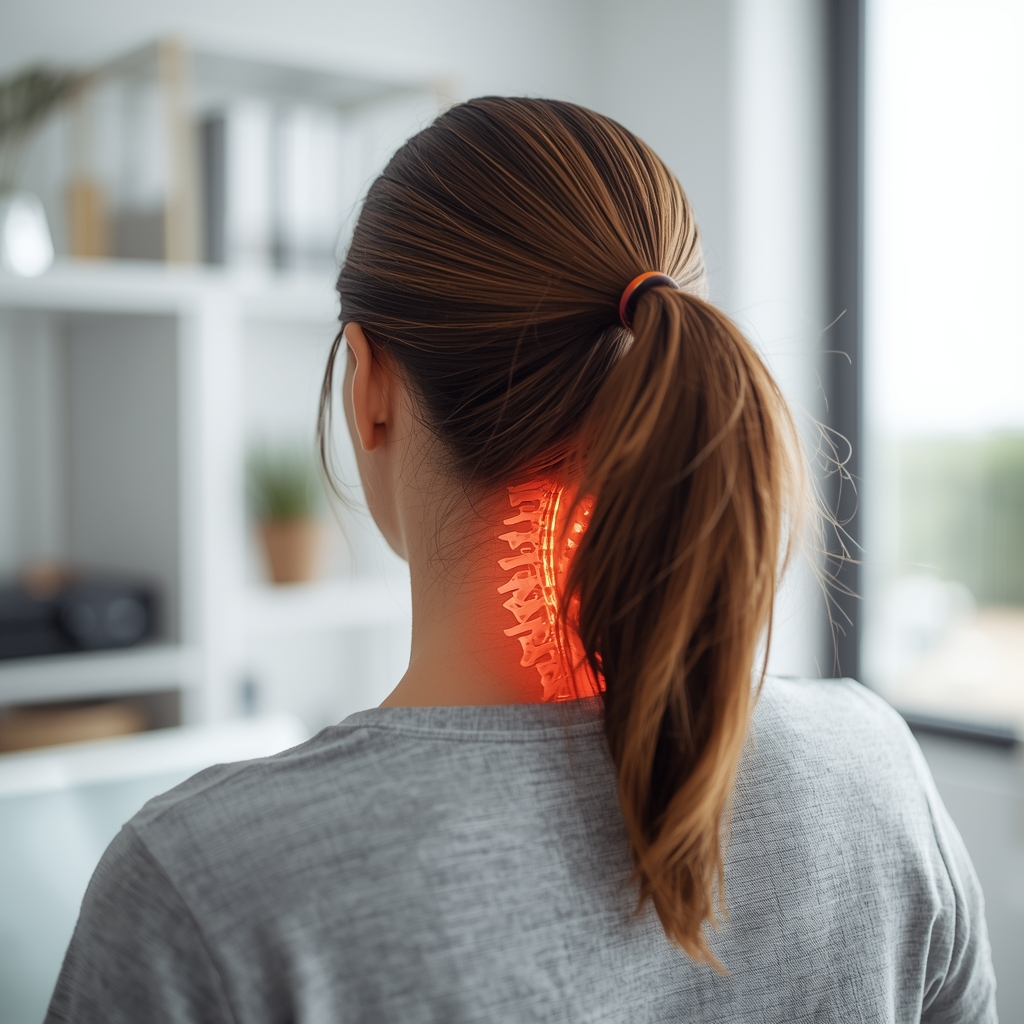
Understanding Cervical Herniated Discs
Cervical herniated discs occur when the soft, gel-like center of a disc in the neck protrudes through its outer layer, potentially pressing on nearby nerves. This condition can cause pain, numbness, or weakness in the neck, shoulders, or arms. Unlike lumbar herniations, cervical issues often involve the upper spine and may affect nerve pathways critical for motor and sensory functions. While some cases resolve on their own, others require intervention. Non-surgical chiropractic approaches focus on reducing pressure, improving alignment, and promoting natural healing. These methods aim to alleviate symptoms and restore mobility without invasive procedures. Patients often seek chiropractic care as a first-line option due to its emphasis on holistic, drug-free solutions. Understanding the spine’s mechanics is key to appreciating how these techniques work.
Spinal Adjustments and Manual Therapy
Spinal adjustments, a cornerstone of chiropractic care, involve precise, controlled forces to realign the vertebrae. For cervical herniated discs, chiropractors use gentle, targeted techniques to reduce nerve compression and improve joint mobility. These adjustments may help decrease inflammation and restore proper spinal function. Manual therapy, such as mobilization, complements adjustments by loosening tight muscles and connective tissues surrounding the affected area. By addressing misalignments and soft tissue restrictions, these methods can ease pain and enhance recovery. However, the approach must be tailored to the patient’s condition, as aggressive techniques may not suit all cases. A qualified chiropractor evaluates each individual’s needs before recommending specific interventions.
Decompression Therapy for Cervical Discs
Spinal decompression therapy is a non-surgical option that uses mechanical traction to gently stretch the spine. This process creates negative pressure within the discs, which may help reposition bulging material and relieve nerve pressure. For cervical herniations, specialized devices target the neck region to reduce discomfort and improve disc health. The therapy is often combined with other chiropractic techniques to maximize results. Patients typically experience gradual symptom relief over multiple sessions. While not a cure, decompression can provide significant pain reduction and functional improvement. It is particularly beneficial for those seeking alternatives to medication or surgery. As with all treatments, a chiropractor assesses suitability based on the patient’s medical history and condition severity.
Soft Tissue and Myofascial Techniques
Soft tissue therapies, such as Active Release Technique (ART) and myofascial release, address muscle tension and scar tissue that may exacerbate cervical disc symptoms. These methods involve applying pressure and stretching to affected areas, improving blood flow and reducing stiffness. By alleviating muscle tightness around the spine, they can indirectly ease nerve compression and enhance mobility. Chiropractors often integrate these techniques with spinal adjustments for a comprehensive approach. Patients may notice reduced pain and improved range of motion after consistent treatment. While not a standalone solution, soft tissue work supports overall spinal health. It is important to seek a licensed practitioner to ensure safe and effective application of these methods.
Corrective Exercises and Posture Training
Corrective exercises are designed to strengthen the muscles supporting the cervical spine, improving stability and posture. These may include neck stretches, resistance training, and core strengthening routines. A chiropractor can guide patients in performing these exercises safely and effectively. Proper posture is also critical, as poor alignment can worsen disc pressure and strain. Ergonomic adjustments to workspaces or daily habits may further support recovery. Consistent practice of these exercises can enhance long-term outcomes and prevent future issues. However, they should complement, not replace, professional care. Individuals must consult their chiropractor to tailor an exercise plan to their specific needs and condition.
Lifestyle and Ergonomic Modifications
Lifestyle changes play a vital role in managing cervical herniated discs. Ergonomic adjustments, such as optimizing desk setups or using supportive pillows, reduce strain on the neck. Regular movement breaks and avoiding prolonged static positions are also recommended. Stress management techniques, like meditation or breathing exercises, may alleviate muscle tension contributing to discomfort. Chiropractors often advise patients on sleep positions, lifting techniques, and activity modifications to prevent aggravating the condition. These strategies promote overall spinal health and complement other treatments. While lifestyle adjustments alone may not resolve the issue, they significantly contribute to symptom management and long-term well-being.













