
Understanding Lumbar Spinal Stenosis and Non-Surgical Options
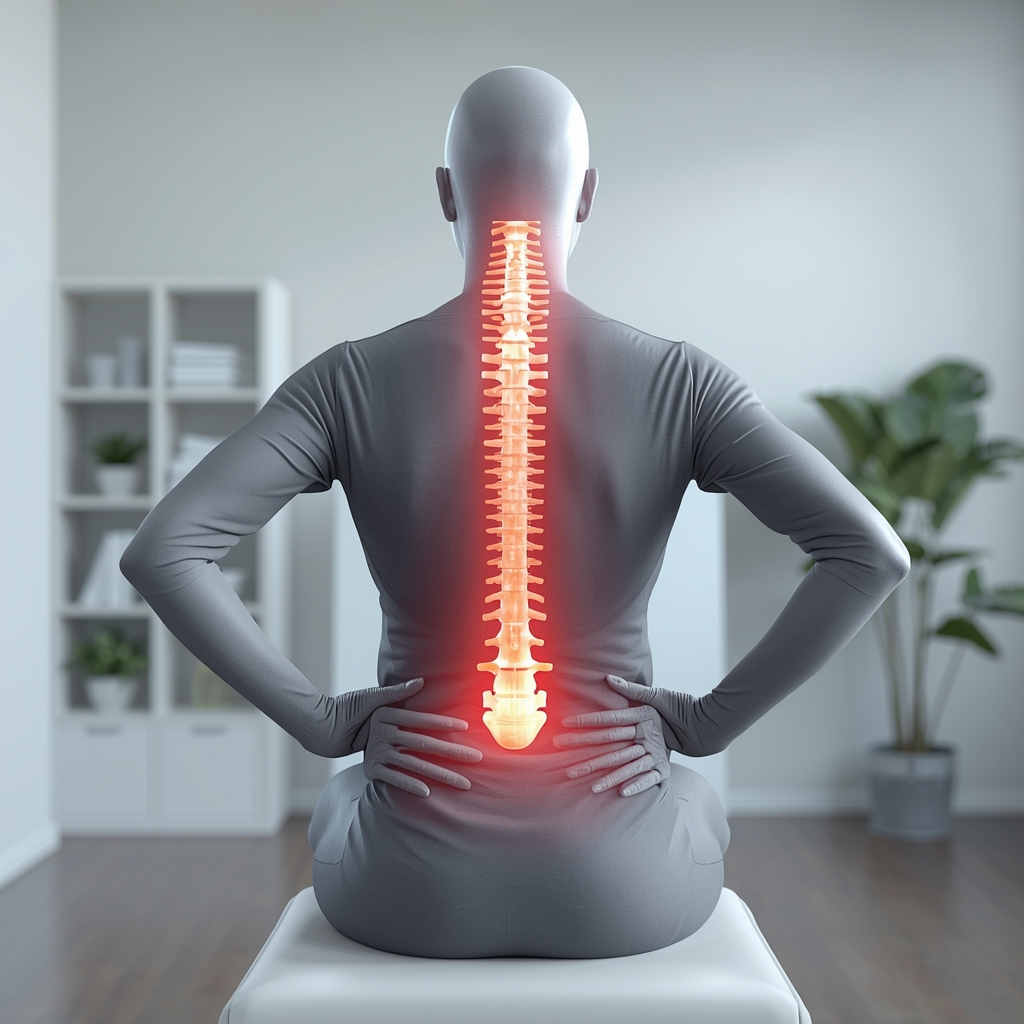
Lumbar spinal stenosis occurs when the spinal canal in the lower back narrows, compressing nerves and causing pain, numbness, or weakness in the legs. While surgery is an option for severe cases, many patients seek non-surgical approaches to manage symptoms. Chiropractic care focuses on improving spinal function and reducing pressure on nerves through manual adjustments, soft tissue therapy, and lifestyle guidance. These methods aim to enhance mobility, alleviate discomfort, and support the body’s natural healing processes. Non-surgical strategies are often recommended as a first-line approach, particularly for individuals preferring conservative treatments or those not yet ready for surgery.
Spinal Adjustments and Decompression Techniques
Spinal adjustments, a cornerstone of chiropractic care, involve precise manipulations to restore proper alignment and reduce nerve compression. For lumbar stenosis, chiropractors may use gentle techniques to widen the spinal canal and ease pressure on affected nerves. Decompression therapy, another non-surgical method, involves stretching the spine to create space between vertebrae, potentially relieving pain caused by nerve impingement. These approaches are often tailored to the patient’s condition and comfort level. While results vary, many patients report improved mobility and reduced discomfort with consistent care. It’s important to note that these treatments should be performed by a licensed chiropractor to ensure safety and effectiveness.
Soft Tissue Therapy and Myofascial Release
Soft tissue therapy targets muscles, ligaments, and fascia to reduce tension that may exacerbate spinal stenosis symptoms. Techniques like myofascial release involve applying sustained pressure to tight areas, helping to improve flexibility and reduce pain. For lumbar stenosis, this can alleviate muscle spasms and stiffness that contribute to nerve compression. Chiropractors may also use active release techniques (ART) to break down adhesions and restore normal tissue function. These methods complement spinal adjustments by addressing surrounding structures that may influence nerve health. Patients often find soft tissue therapy beneficial for managing chronic pain and enhancing overall comfort, though results depend on individual response and treatment consistency.
Exercise and Rehabilitation Programs
Customized exercise programs are a key component of non-surgical care for lumbar spinal stenosis. Chiropractors may recommend low-impact exercises to strengthen core muscles, improve posture, and enhance spinal stability. Activities like walking, swimming, or yoga can promote circulation and reduce inflammation without straining the lower back. Specific stretches and mobilization exercises may also help relieve pressure on nerves and increase range of motion. These programs are typically designed to be performed at home with guidance from a chiropractor, ensuring safety and effectiveness. Regular participation can lead to long-term improvements in mobility and pain management, though patients should avoid overexertion and consult their provider before starting new routines.
Integrating Lifestyle and Ergonomic Modifications
Lifestyle and ergonomic changes play a vital role in managing lumbar spinal stenosis. Chiropractors often advise patients on proper posture, lifting techniques, and ergonomic adjustments to reduce strain on the lower back. Simple modifications, such as using supportive chairs or adjusting workstations, can minimize pressure on the spine. Additionally, maintaining a healthy weight and avoiding prolonged sitting or standing may alleviate symptoms. Patients may also benefit from heat/cold therapy, massage, or acupuncture to complement chiropractic care. These holistic strategies aim to create a supportive environment for the spine, reducing the risk of further complications. Consistency in implementing these changes is essential for sustained relief and improved quality of life.
Consulting a Chiropractor for Personalized Care
Every individual’s experience with lumbar spinal stenosis is unique, making personalized care essential. A chiropractor can assess the condition, identify contributing factors, and develop a tailored treatment plan. This may include a combination of adjustments, soft tissue work, and rehabilitative exercises. Patients should communicate openly about their symptoms, goals, and any previous treatments to ensure the approach aligns with their needs. While non-surgical methods can provide significant relief, they are not a substitute for medical evaluation. It’s important to consult a qualified chiropractor and, if necessary, collaborate with other healthcare providers to address all aspects of the condition. Regular follow-ups allow for adjustments to the care plan, ensuring ongoing support and optimal outcomes.













