
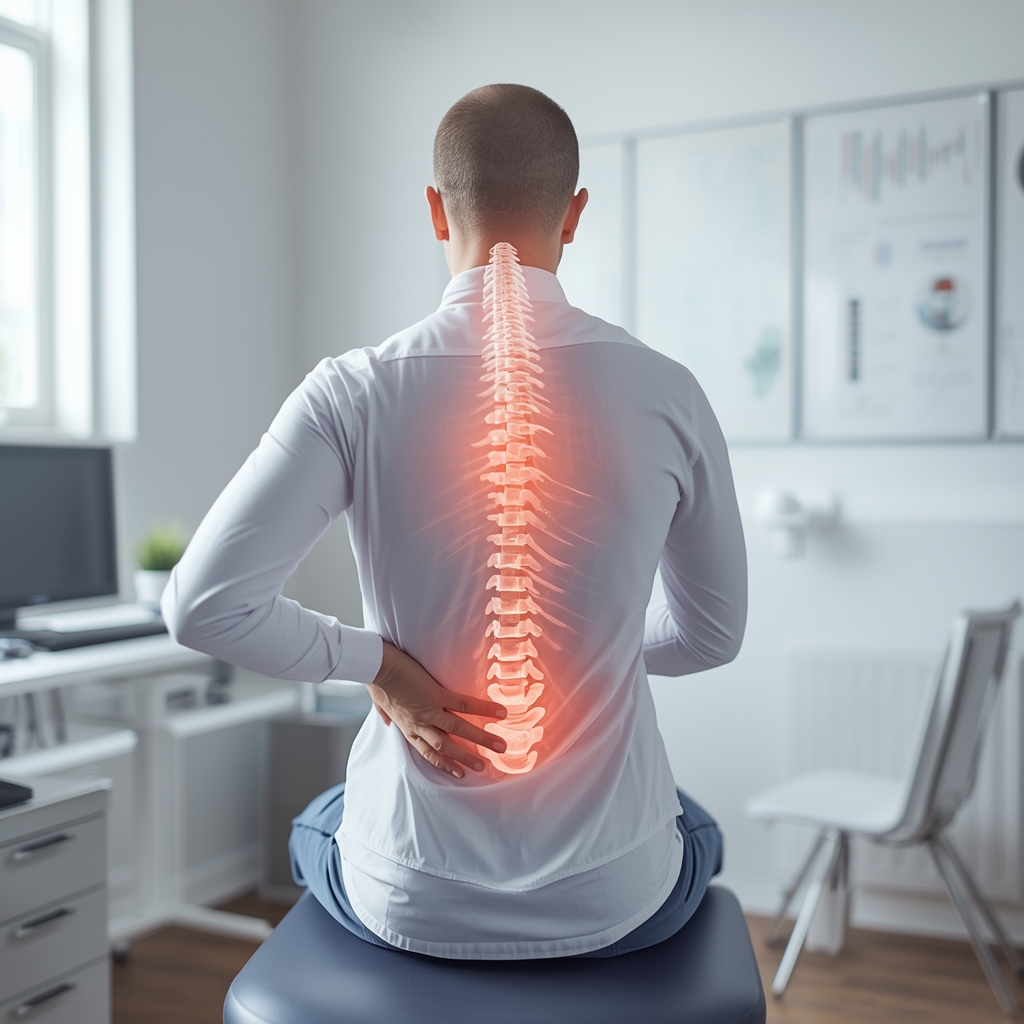
Neurological Pathways and Spinal Adjustments
Chiropractic adjustments influence pain perception and muscle function by interacting with the nervous system. The spine houses the spinal cord, which acts as a conduit for sensory and motor signals between the body and brain. When misalignments (subluxations) occur, they may disrupt these pathways, potentially altering how the brain processes pain signals or coordinates muscle activity. Adjustments aim to restore proper alignment, which may normalize neural communication. This could reduce pain by modulating the transmission of nociceptive (pain) signals or enhancing proprioceptive feedback, which informs the brain about body position and movement. While the exact mechanisms remain an active area of research, the interplay between spinal structure and nervous system function is central to chiropractic theory.
Proprioception and Motor Control
Proprioception—the body’s ability to sense movement, position, and tension—is critical for coordinated muscle function. Chiropractic adjustments may impact proprioceptive input by stimulating mechanoreceptors in joints, muscles, and ligaments. These receptors send feedback to the central nervous system, helping regulate muscle tone and joint stability. Research suggests that spinal manipulation can enhance proprioceptive accuracy, which may improve motor control and reduce compensatory movement patterns that contribute to pain. For example, adjustments to the cervical spine might influence sensory signals related to posture and balance, while lumbar adjustments could affect lower-body mechanics. By optimizing proprioceptive input, chiropractic care may support more efficient muscle activation and reduce strain on overworked tissues.
Pain Modulation Through the Central Nervous System
The central nervous system (CNS) plays a key role in interpreting and modulating pain. Chiropractic adjustments may influence pain perception by affecting the CNS’s processing of sensory information. Techniques like spinal manipulation can stimulate the release of endogenous opioids—natural pain-relieving chemicals—and alter activity in brain regions associated with pain regulation, such as the periaqueductal gray. Additionally, adjustments may reduce inflammation and muscle tension, which can lower the sensitivity of pain receptors (nociceptors). This dual action—both central and peripheral—may explain why some individuals experience immediate pain relief after an adjustment. However, the precise neural pathways involved remain complex and require further investigation to fully understand their therapeutic potential.
Autonomic Nervous System Responses
The autonomic nervous system (ANS) regulates involuntary functions like heart rate, blood pressure, and muscle tension. Chiropractic adjustments may influence the ANS by stimulating vagal activity or balancing sympathetic and parasympathetic responses. For instance, adjustments to the cervical spine have been linked to changes in heart rate variability, suggesting a potential impact on ANS regulation. This could indirectly affect muscle function by reducing tension in overactive muscles or promoting relaxation in stressed tissues. Additionally, ANS modulation may contribute to systemic effects, such as improved digestion or reduced inflammation, which can influence overall pain levels. While these connections are promising, more research is needed to clarify how specific adjustments target different ANS components.
Neuroplasticity and Long-Term Adaptations
Neuroplasticity—the brain’s ability to reorganize itself—may underlie some long-term benefits of chiropractic care. Repeated adjustments could potentially reshape neural pathways involved in pain processing and motor control. For example, chronic pain conditions often involve maladaptive changes in the CNS, such as heightened sensitivity or altered movement patterns. By providing consistent sensory input through adjustments, chiropractors may help the nervous system recalibrate, reducing pain and improving function. This concept aligns with broader rehabilitative approaches that leverage neuroplasticity to restore normal function. However, individual responses vary, and the extent to which adjustments influence neuroplasticity remains an area of ongoing scientific exploration.
Conclusion: Integrating Neurophysiology with Clinical Practice
While the neurophysiological mechanisms of chiropractic adjustments are not fully understood, emerging research highlights their potential to influence pain perception and muscle function through complex interactions with the nervous system. From proprioception to neuroplasticity, these effects suggest a multifaceted approach to health. Clinicians and patients alike should consider these mechanisms as part of a broader context, recognizing that chiropractic care is one tool among many for addressing musculoskeletal and neurological challenges. As with any treatment, individual outcomes may vary, and discussions with qualified healthcare providers are essential to determine the best course of action.












