
Understanding the Sacro-Occipital Technique (SOT)
The Sacro-Occipital Technique, commonly referred to as SOT chiropractic, is a sophisticated and highly specialized method of chiropractic care that focuses on the relationship between the sacrum — the triangular bone at the base of the spine — and the occiput, which is the bone that forms the lower back portion of the skull. This relationship is fundamental to the proper functioning of the entire body, and when misalignments or imbalances occur between these two structures, a wide range of health issues can follow.
Developed in the 1920s by Dr. Major Bertrand DeJarnette, a chiropractor and osteopath, the sacro occipital method has grown into a globally recognized approach to spinal and cranial health. Dr. DeJarnette spent decades refining his technique based on extensive clinical observation and research, making SOT one of the most thoroughly developed chiropractic systems in existence today.
The Core Principles Behind SOT Chiropractic
At its foundation, SOT chiropractic operates on the understanding that the body is a self-healing, self-regulating system. The technique recognizes that the sacrum and the occiput are connected through a fluid-based system known as the craniosacral system, which circulates cerebrospinal fluid throughout the brain and spinal cord. When this system is functioning optimally, the body is better equipped to maintain health and recover from injury or illness.
SOT practitioners assess and treat the body by identifying three distinct categories of dysfunction, often referred to as “Categories.” Each category corresponds to a different level of structural and neurological compromise, and treatment is tailored accordingly. This categorical approach is what sets SOT apart from many other chiropractic methods, as it provides a systematic framework for understanding and addressing complex health conditions.
The Role of the Pelvic Block Technique
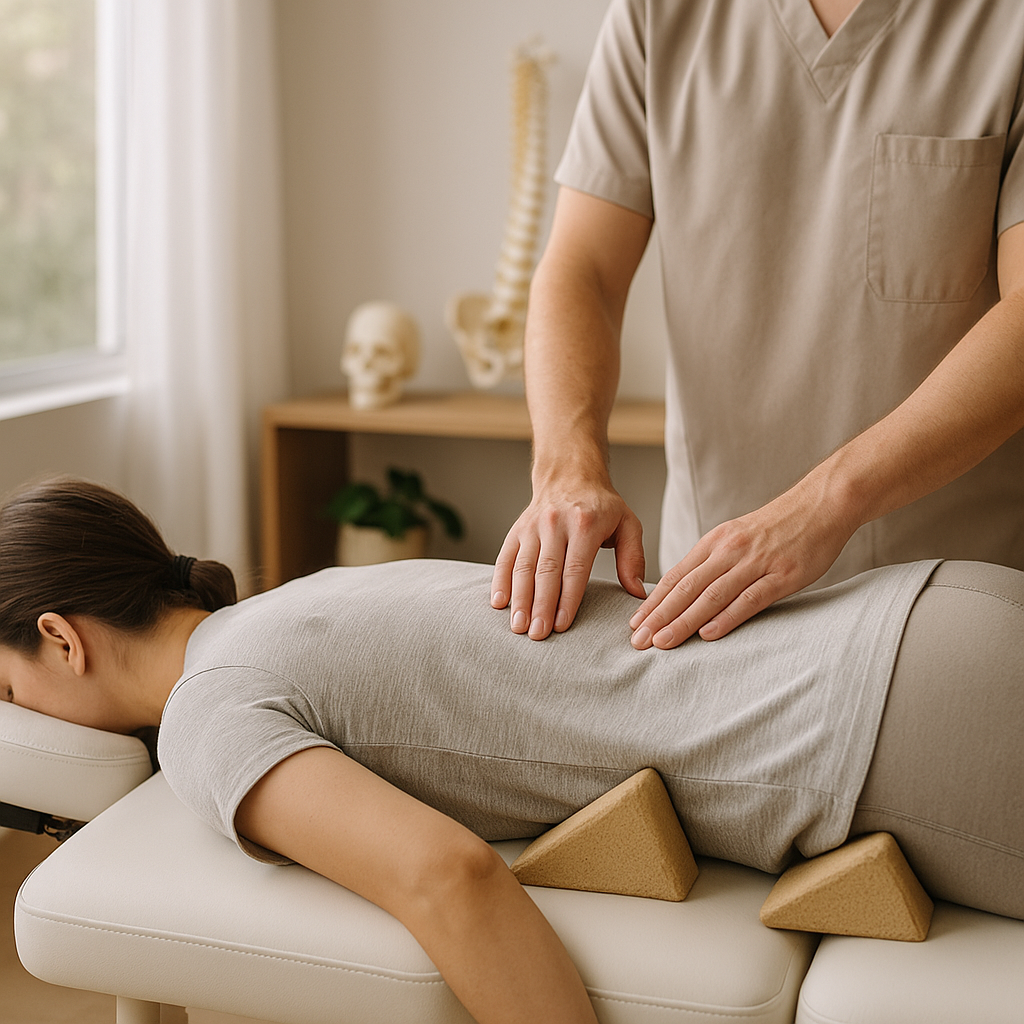
One of the most distinctive aspects of SOT chiropractic is the use of specialized wedge-shaped devices known as pelvic blocks. The pelvic block technique involves placing these triangular blocks under the pelvis in specific positions to gently use the patient’s own body weight to realign the sacrum and pelvis. Rather than applying forceful manual adjustments, this approach harnesses the natural forces of gravity and muscle relaxation to restore proper alignment over time.
This makes the pelvic block technique particularly well-suited for patients who may be sensitive to traditional high-velocity chiropractic adjustments, including elderly individuals, pregnant women, and those recovering from injury. The gentle and non-invasive nature of the pelvic blocking process is one of the primary reasons SOT has gained widespread appeal among both practitioners and patients alike.
The positioning of the pelvic blocks is determined based on which of the three SOT categories a patient falls into, as well as specific indicators observed during a thorough physical assessment. Practitioners are trained to read these indicators carefully to ensure the blocks are placed in a manner that best supports the body’s natural healing response.
The Cranial Sacral Chiropractic Technique Within SOT
A significant component of SOT is its incorporation of the cranial sacral chiropractic technique, which addresses the bones and soft tissues of the skull, the dural membranes, and the circulation of cerebrospinal fluid. This cranial component of SOT is based on the concept that the bones of the skull are not entirely fused and that subtle rhythmic movements can be detected and influenced through skilled manual contact.
Cranial sacral work within SOT involves extremely gentle pressure applied to specific areas of the skull and face to encourage proper cranial bone motion and improved cerebrospinal fluid flow. Practitioners who incorporate the cranial sacral chiropractic technique into their SOT care believe that optimizing cranial function can have far-reaching effects on the nervous system, immune system, and overall physiological balance.
While the cranial component of SOT may seem subtle, its proponents report significant benefits for conditions such as headaches, migraines, temporomandibular joint (TMJ) dysfunction, sinus issues, cognitive difficulties, and even some mood-related concerns. Many patients describe profound relaxation and a sense of restoration following cranial sacral treatments.
Who Can Benefit from SOT Chiropractic Care?
SOT chiropractic is considered suitable for a broad range of patients, from infants and children to adults and seniors. The gentle nature of many SOT techniques — particularly the pelvic block technique and cranial sacral work — means that it can be applied safely across different age groups and physical conditions. Some of the most commonly addressed concerns through SOT include:
- Chronic lower back pain and sacroiliac joint dysfunction
- Neck pain and cervical misalignment
- Headaches and migraines
- Sciatica and radiating leg pain
- TMJ disorders and jaw pain
- Postural imbalances and scoliosis-related concerns
- Hip, knee, and foot problems linked to pelvic instability
- Neurological and organ-related conditions tied to spinal nerve interference
- Stress-related physical tension and fatigue
It is important to note that while many individuals experience meaningful relief through SOT care, results can vary depending on the nature and severity of the condition, the overall health of the patient, and the consistency of treatment. SOT is best approached as part of a comprehensive wellness plan that may include other forms of healthcare when necessary.
How Does an SOT Assessment Work?
A thorough assessment is central to any effective SOT treatment plan. During an initial consultation, an SOT-trained chiropractor will conduct a detailed evaluation that goes beyond standard spinal analysis.















