
Understanding the Cox Technique: A Comprehensive Overview
Back pain and spinal conditions affect millions of people worldwide, prompting a growing demand for safe, effective, and non-invasive treatment options. Among the many approaches available in modern chiropractic and rehabilitative care, the Cox technic stands out as a clinically grounded, evidence-informed method that has helped countless patients find relief without the risks associated with surgery or heavy medication. But what exactly is the Cox technique, and how does it work? This article explores everything you need to know about this widely respected treatment approach.
The Origins of the Cox Technique
The Cox technique was developed by Dr. James M. Cox, a Doctor of Chiropractic, in the 1960s. Drawing from the osteopathic principles of Dr. James Cyriax and combining them with chiropractic methodology, Dr. Cox created a specialized system of spinal manipulation and mobilization that prioritized gentle, controlled movement over forceful adjustment. Over several decades, the technique has been refined through ongoing clinical research and remains one of the most studied forms of chiropractic care available today.
Dr. Cox’s commitment to evidence-based practice has resulted in a system that is not only rooted in biomechanical science but also supported by peer-reviewed literature. This dedication to research has allowed the Cox technic to gain widespread recognition among healthcare professionals, including chiropractors, physical therapists, and medical physicians.
What Is Cox Flexion Distraction Therapy?
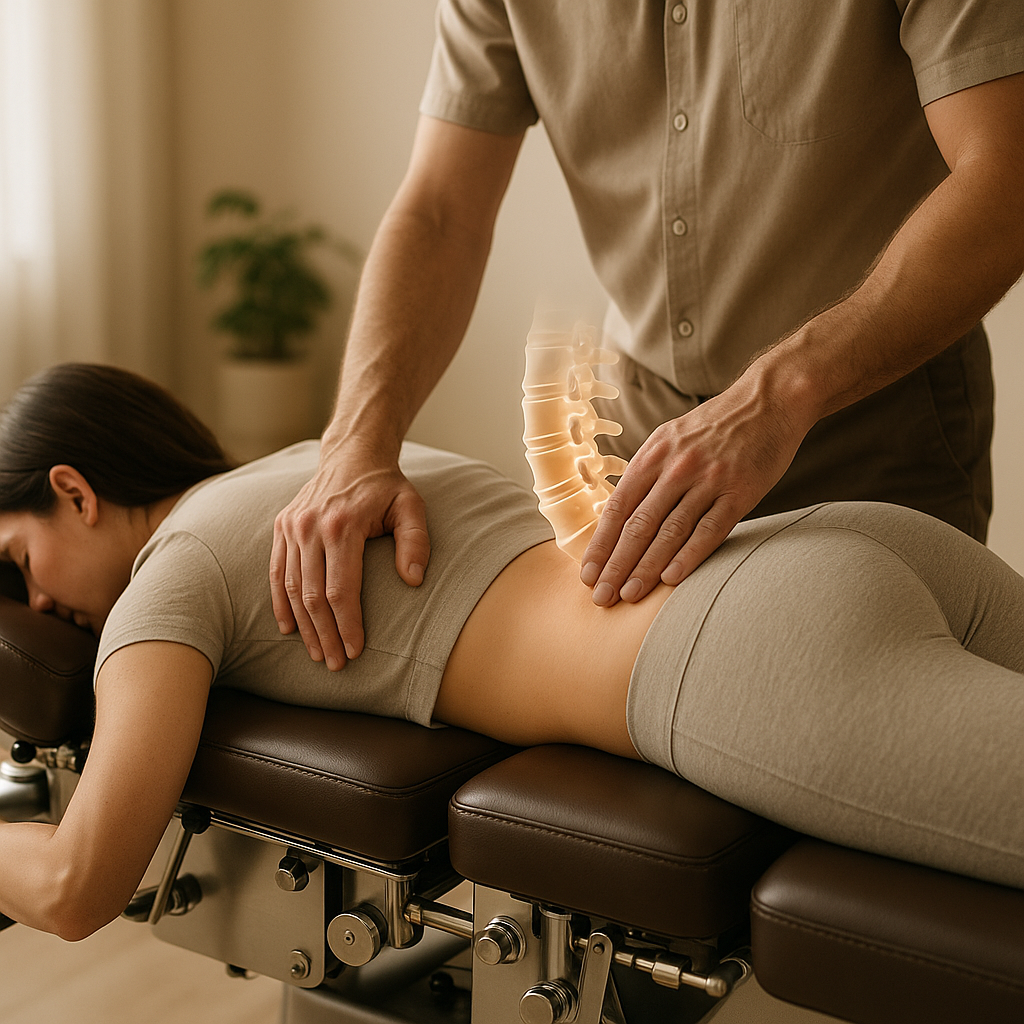
Cox flexion distraction therapy is the primary method used within the Cox technique. It is a form of spinal manipulation performed on a specially designed segmented table that allows the practitioner to apply gentle, rhythmic, and controlled traction to the spine. The patient lies face down on the Cox table while the practitioner uses one hand to contact a specific spinal segment and the other to guide the movement of the table’s lower section, which flexes and distracts the spine in a slow, deliberate motion.
This combination of flexion (forward bending) and distraction (gentle pulling apart) creates negative pressure within the spinal discs, which can help to reabsorb herniated or bulging disc material, reduce nerve compression, and restore normal joint motion. The procedure is generally painless and is often described by patients as a comfortable, relieving experience, even when treating serious spinal conditions.
How Does the Disc Decompression Technique Work?
At the heart of the Cox technique is its role as a disc decompression technique. To understand how it works, it is helpful to first understand the anatomy involved. The intervertebral discs are gel-filled cushions that sit between the vertebrae of the spine. When these discs become herniated, bulging, or degenerated, they can press against nearby spinal nerves, causing pain, numbness, tingling, or weakness in the back, legs, or arms.
Cox flexion distraction therapy addresses this problem by mechanically altering the intradiscal environment. Research has demonstrated that the technique:
- Reduces intradiscal pressure within the lumbar spine
- Increases the disc height by gently separating the vertebrae
- Widens the spinal canal and intervertebral foramen, reducing nerve impingement
- Promotes the retraction of herniated disc material
- Improves the exchange of nutrients and fluids within the disc
- Reduces inflammation around affected spinal structures
These physiological effects make the Cox technique particularly effective for conditions involving disc pathology, nerve root compression, and spinal stenosis. The treatment is applied in a highly controlled manner, allowing the practitioner to target specific vertebral segments with precision.
Conditions Commonly Treated with the Cox Technique
One of the most significant advantages of the Cox technique is its versatility. While it is most commonly associated with lumbar (lower back) conditions, it can also be applied to the cervical (neck) and thoracic (mid-back) regions of the spine. Conditions frequently addressed using Cox technic include:
- Lumbar disc herniation – One of the most common applications, the Cox technique helps reduce disc protrusion and alleviate associated leg pain (sciatica)
- Spinal stenosis – Narrowing of the spinal canal that compresses nerves, often resulting in leg pain, cramping, or weakness during walking
- Degenerative disc disease – Age-related breakdown of spinal discs that leads to chronic back pain and reduced spinal mobility
- Facet syndrome – Irritation or inflammation of the small joints at the back of the spine that connect vertebrae to one another
- Spondylolisthesis – A condition in which one vertebra slips forward over the one below it, creating spinal instability and nerve compression
- Sciatica – Pain that radiates along the sciatic nerve pathway, often caused by disc herniation or nerve root irritation in the lumbar spine
- Post-surgical syndrome – Ongoing pain or dysfunction following previous spinal surgery, often referred to as failed back surgery syndrome
- Cervical disc herniation – Nerve compression in the neck causing arm pain, numbness, or weakness
The Cox Technique as a Non-Surgical Disc Treatment
Perhaps the most compelling aspect of the Cox technique is its effectiveness as a non-surgical disc treatment. Spinal surgery carries inherent risks, including infection, nerve damage, failed outcomes, and lengthy recovery times. For many patients, the prospect of surgery is understandably daunting, and the desire to explore conservative care first is both reasonable and, in many cases, clinically appropriate.











