
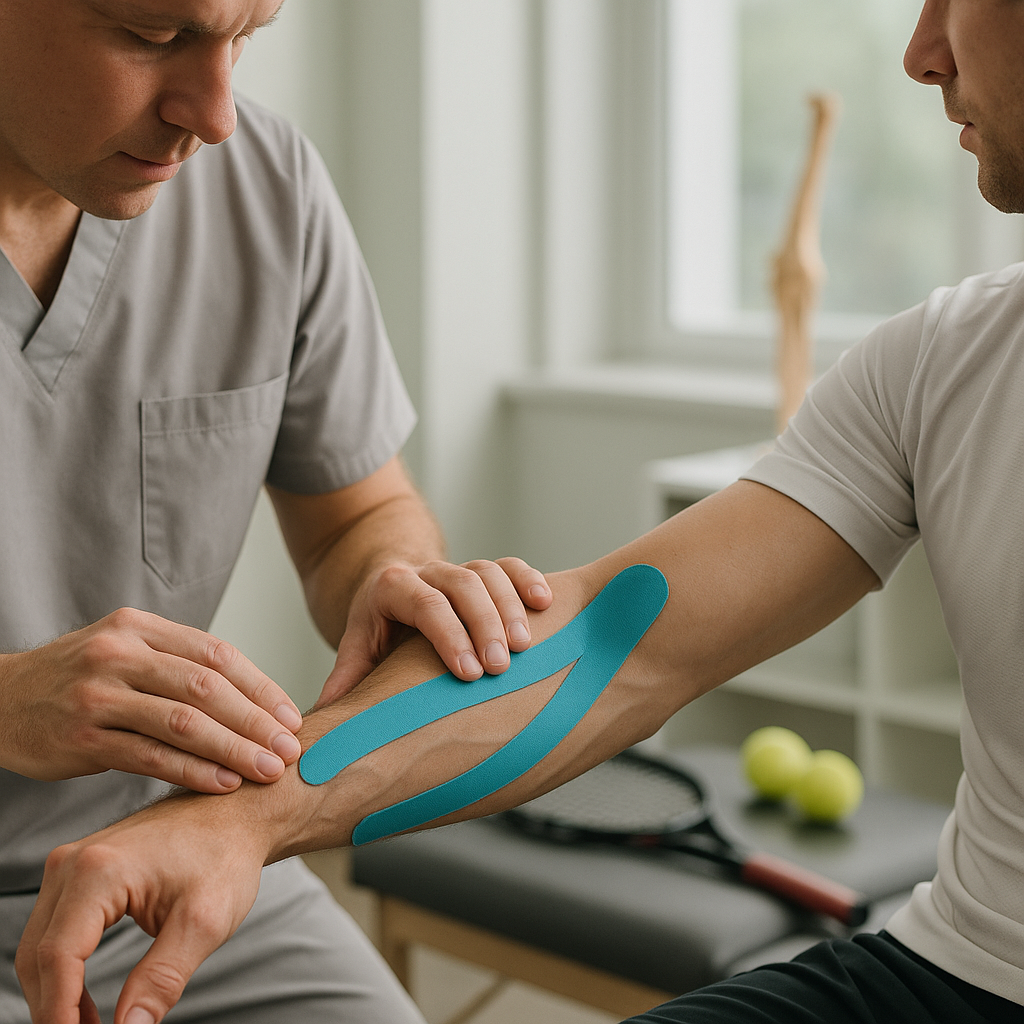
Understanding Tennis Elbow and How Chiropractic Care Can Help
Tennis elbow, clinically known as lateral epicondylitis, is a painful condition that affects thousands of people each year — many of whom have never picked up a tennis racket in their lives. This condition develops when the tendons connecting the forearm muscles to the bony prominence on the outside of the elbow become overloaded, typically due to repetitive arm, forearm, and wrist movements. If you are experiencing persistent elbow pain, consulting a tennis elbow chiropractor may be one of the most effective steps you can take toward recovery.
What Causes Tennis Elbow?
Before exploring lateral epicondylitis treatment options, it is important to understand what causes this condition in the first place. Tennis elbow arises from repeated stress placed on the extensor muscles of the forearm. Over time, this stress creates microscopic tears in the tendon tissue, leading to inflammation, pain, and reduced function.
Common causes and risk factors include:
- Repetitive gripping or lifting activities at work or home
- Sports involving rackets, such as tennis, squash, or badminton
- Manual occupations such as carpentry, plumbing, or painting
- Extended computer or keyboard use
- Age-related tendon degeneration, typically affecting individuals between 30 and 50 years of age
- Poor technique during physical activities or sports
The resulting pain is typically felt on the outer side of the elbow and may radiate down the forearm. Gripping objects, turning a doorknob, or even shaking hands can become notably uncomfortable tasks.
Why Choose a Chiropractor for Tennis Elbow?
Many individuals instinctively reach for over-the-counter pain medications or rest when experiencing elbow discomfort. While these approaches provide temporary relief, they do not address the root mechanical cause of the problem. Elbow pain chiropractic care, by contrast, focuses on restoring proper alignment, reducing nerve interference, and improving the overall function of the musculoskeletal system.
Chiropractors are trained to assess the entire kinetic chain — from the cervical spine and shoulder to the elbow and wrist — recognizing that dysfunction in one area can significantly affect another. This comprehensive approach distinguishes chiropractic care from more symptom-focused interventions and makes it particularly well-suited for conditions like lateral epicondylitis.
Chiropractic Techniques Used to Treat Tennis Elbow
A qualified tennis elbow chiropractor will typically employ a combination of evidence-informed techniques tailored to the individual patient’s needs. The following methods are commonly used in clinical practice:
1. Chiropractic Adjustments and Joint Manipulation
Chiropractic adjustments are not limited to the spine. Skilled practitioners can perform precise manipulation of the elbow, wrist, and even the cervical spine to restore proper joint mechanics. Misalignment in the neck or shoulder can contribute to altered nerve function and increased tension in the forearm muscles. By correcting these misalignments, chiropractors help reduce the mechanical stress placed on the lateral epicondyle.
2. Soft Tissue Therapy
Soft tissue techniques play a central role in forearm pain treatment. Methods such as Active Release Technique (ART), myofascial release, and trigger point therapy are commonly used to break down scar tissue, release adhesions, and improve blood circulation within the affected tendons and muscles. These approaches directly address the structural damage caused by repetitive strain.
3. Instrument-Assisted Soft Tissue Mobilization (IASTM)
IASTM involves the use of specially designed tools to apply controlled microtrauma to affected soft tissue areas. This process stimulates the body’s natural healing response, encouraging the remodeling of damaged tendon fibers. Tools such as the Graston Technique instruments are frequently employed by chiropractors trained in this methodology.
4. Ultrasound Therapy
Therapeutic ultrasound uses sound waves to penetrate deep into soft tissue, generating gentle heat that promotes circulation and reduces inflammation. This modality is particularly effective in the early stages of lateral epicondylitis, where swelling and acute pain are predominant concerns.
5. Low-Level Laser Therapy (LLLT)
Also referred to as cold laser therapy, LLLT delivers specific wavelengths of light to the affected tissue to stimulate cellular repair and reduce inflammation. Research has shown promising results for its application in tendinopathy conditions, including tennis elbow.
6. Kinesiology Taping
Kinesiology tape can be applied to the elbow and forearm to provide external support, reduce strain on the tendon, and improve proprioceptive feedback during daily activities. Many chiropractors use this as a complementary measure alongside other treatments.
7. Rehabilitative Exercise Prescription
An often-underestimated component of chiropractic care is its emphasis on patient-specific exercise programs. Eccentric strengthening exercises for the wrist extensor muscles have been extensively studied and proven to be among the most effective interventions for lateral epicondylitis. Your chiropractor will prescribe a progressive exercise protocol designed to strengthen the affected structures, improve flexibility, and prevent recurrence.
The Role of Cervical and Thoracic Spine Assessment
One of the distinguishing features of chiropractic care in the management of tennis elbow is the inclusion of a thorough spinal examination. Research and clinical experience suggest that nerve root compression or irritation at the cervical spine — particularly at levels C5, C6, and C7 — can contribute to elbow and forearm pain symptoms.















