
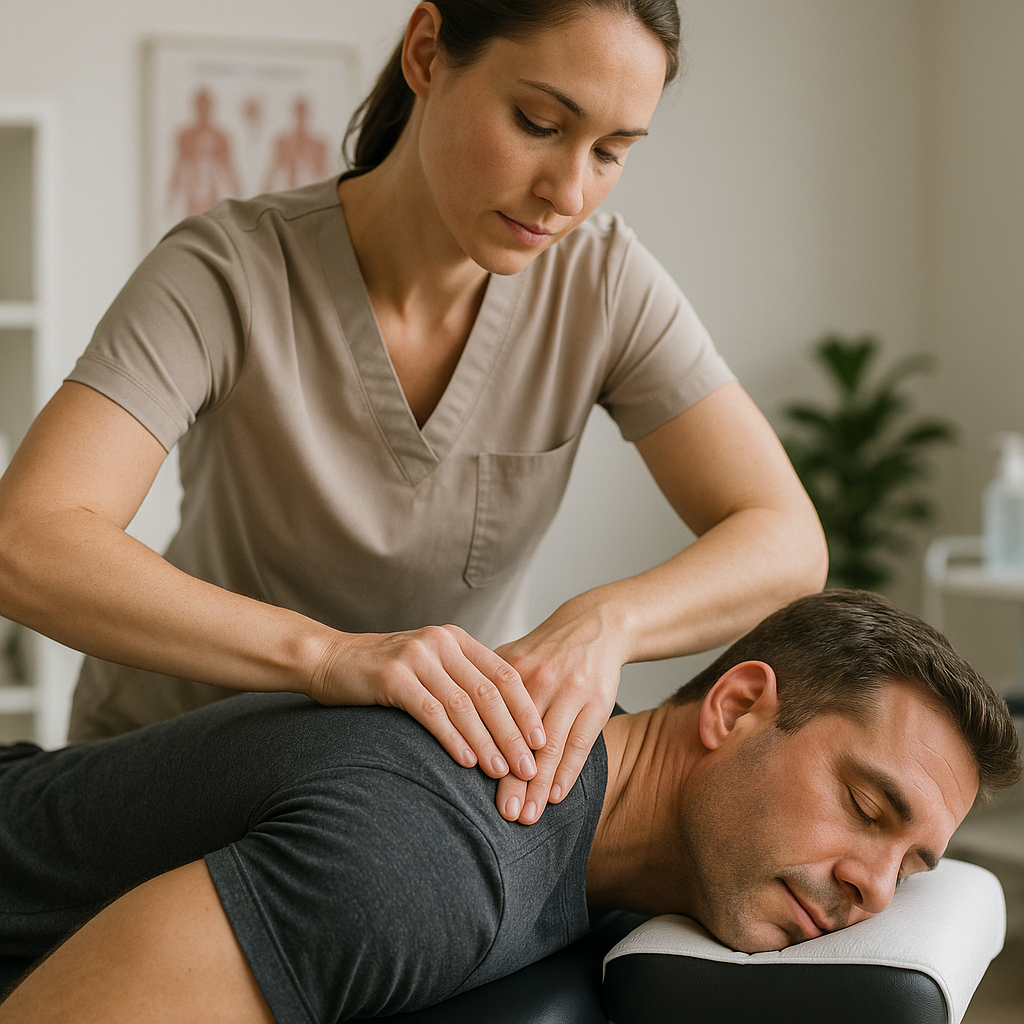
Understanding Muscle Spasms and How Chiropractic Care Can Help
Muscle spasms are among the most uncomfortable and disruptive physical experiences a person can endure. Whether they strike suddenly in the middle of the night or develop gradually after prolonged physical activity, these involuntary muscle contractions can significantly impact daily life. For many individuals, chiropractic care has emerged as a highly effective, non-invasive approach to managing and treating muscle spasms at their root cause.
This article explores the nature of muscle spasms, what triggers them, and how a qualified muscle spasm chiropractor can help restore comfort, mobility, and long-term musculoskeletal health.
What Is a Muscle Spasm?
A muscle spasm is a sudden, involuntary muscle contraction that occurs without deliberate intent. Unlike a voluntary movement, these contractions happen abruptly and can cause sharp, intense pain that lasts from a few seconds to several minutes — or in severe cases, even longer. They most commonly affect the back, neck, legs, and shoulders, though they can occur in virtually any muscle group throughout the body.
It is important to distinguish between a muscle spasm and a muscle cramp. While the terms are often used interchangeably, a muscle cramp typically refers to a painful, sustained contraction that resolves on its own, whereas a spasm may encompass a broader range of involuntary muscle activity, including twitching and prolonged tension. Muscle cramp chiropractic treatment, however, often overlaps significantly with spasm treatment protocols.
Common Causes of Muscle Spasms
Understanding what causes muscle spasms is essential for determining the most appropriate course of treatment. A chiropractor will typically conduct a thorough assessment to identify the underlying factors contributing to a patient’s condition. Common causes include:
- Spinal misalignment: When vertebrae are out of their proper position, surrounding muscles often contract involuntarily to stabilize the spine, leading to chronic spasms.
- Nerve compression or irritation: Pinched nerves resulting from herniated discs or spinal stenosis can trigger reflexive muscle contractions.
- Dehydration and electrolyte imbalances: A deficiency in magnesium, potassium, or calcium can disrupt normal muscle function and trigger involuntary contractions.
- Muscle overuse or fatigue: Repetitive physical activity or sudden exertion without adequate warm-up can exhaust muscle fibers and provoke spasms.
- Poor posture: Sustained poor posture, particularly during prolonged sitting or standing, places uneven stress on muscles and can lead to chronic tension and spasms.
- Injury or trauma: Physical injuries, including strains and sprains, often result in protective muscle spasms as the body attempts to guard the affected area.
- Stress and anxiety: Psychological tension frequently manifests physically as muscle tightness, which can escalate into full spasms over time.
Why Consider a Chiropractor for Muscle Spasms?
Many individuals turn to over-the-counter pain medications or muscle relaxants for temporary relief. While these approaches may alleviate symptoms in the short term, they rarely address the underlying mechanical or neurological issues responsible for the spasms. A muscle spasm chiropractor, by contrast, focuses on identifying and correcting the root cause of the problem, offering a more sustainable and holistic path to recovery.
Chiropractic care is grounded in the understanding that the nervous system governs all muscle function. When the spine is misaligned or the nervous system is compromised, muscles throughout the body may respond with abnormal contractions. By restoring proper spinal alignment and reducing nerve interference, chiropractors can help the body regulate muscle activity more effectively.
Chiropractic Techniques Used to Treat Muscle Spasms
A chiropractor employs a variety of evidence-based techniques to address muscle spasms. The specific approach will depend on the location and severity of the spasm, the patient’s overall health, and the underlying contributing factors. The most commonly used chiropractic methods for back spasm treatment and general muscle spasm management include the following:
1. Spinal Manipulation and Adjustment
Spinal manipulation — often referred to as a chiropractic adjustment — is the cornerstone of chiropractic care. During this procedure, the chiropractor applies controlled, precise force to specific joints of the spine or extremities. This technique helps restore proper alignment, reduce joint restriction, improve range of motion, and alleviate the nerve irritation that can trigger involuntary muscle contraction.
Back spasm treatment through spinal manipulation has been supported by numerous clinical studies demonstrating its effectiveness in reducing pain and muscular tension. Patients often report significant relief following just a few sessions.
2. Soft Tissue Therapy
In addition to spinal adjustments, chiropractors frequently incorporate soft tissue therapies to directly address the affected muscles. These techniques may include:
- Myofascial release: A hands-on technique that targets the fascia — the connective tissue surrounding muscles — to release tension and improve flexibility.
- Trigger point therapy: Focused pressure is applied to specific points of muscular tightness, known as trigger points, to relieve localized spasms and referred pain.
- Active Release Technique (ART): A patented method that combines movement and manual pressure to break down scar tissue, reduce adhesions, and restore normal muscle function.
- Massage therapy: Often used in conjunction with chiropractic adjustments, therapeutic massage promotes circulation, reduces inflammation, and relaxes hypertonic muscles.














