
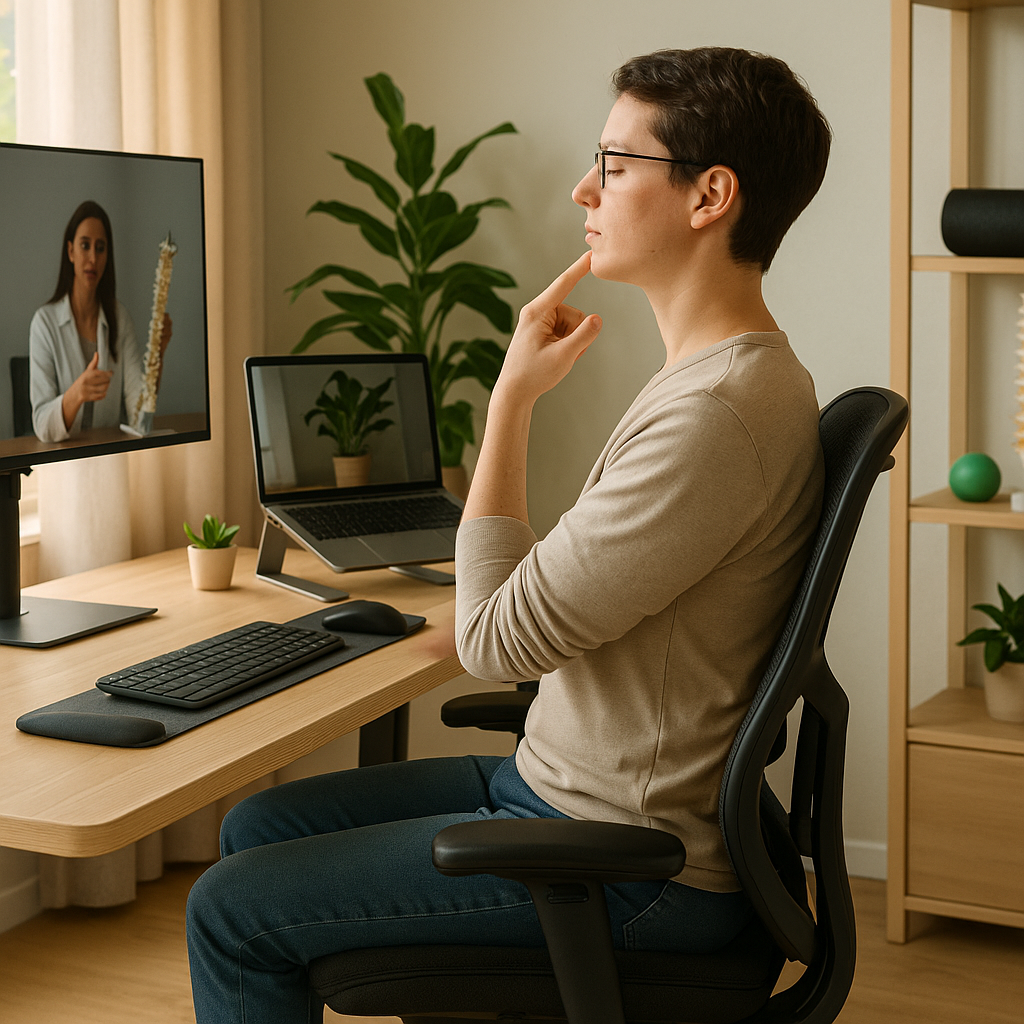
Understanding the Chiropractic Perspective on Remote Work Ergonomics
The rapid shift toward remote work has fundamentally changed how millions of people spend their working hours. While working from home offers undeniable flexibility and convenience, it has also introduced a wave of musculoskeletal complaints that chiropractors are seeing with increasing frequency. From makeshift desk setups on kitchen tables to hours spent hunched over laptops on the couch, the home office environment presents unique challenges that a remote work ergonomics chiropractor is well-equipped to address.
Chiropractic care takes a whole-body, biomechanical approach to health — and this philosophy extends naturally into the realm of workplace ergonomics. Rather than simply treating pain after it develops, chiropractors focus on identifying the root causes of discomfort and correcting them through posture education, spinal adjustments, and practical lifestyle guidance. Understanding how chiropractors think about the remote work environment can help you build better habits and protect your long-term health.
Why Remote Work Creates Unique Spinal Health Challenges
Traditional office environments, while far from perfect, are often designed with at least a basic understanding of ergonomic principles. Adjustable chairs, proper desk heights, and designated monitors are common in corporate settings. At home, however, most people lack access to professional-grade furniture and equipment. This mismatch between the demands of knowledge work and the home environment is a leading driver of work from home back pain.
Chiropractors commonly identify the following issues among remote workers:
- Forward head posture: Leaning toward a screen places enormous strain on the cervical spine. For every inch the head moves forward, the effective weight on the neck increases significantly.
- Thoracic kyphosis: Rounded upper back posture, often caused by sitting in non-supportive chairs for extended periods, compresses the thoracic vertebrae and restricts breathing.
- Lumbar stress: Without proper lumbar support, the natural inward curve of the lower back flattens, leading to disc compression and muscle fatigue.
- Sedentary behavior: Remote workers often move far less than they did during office commutes and in-person meetings, leading to prolonged static loading on the spine.
- Repetitive strain injuries: Poor keyboard and mouse positioning can contribute to wrist, shoulder, and neck tension that accumulates over time.
These issues are not merely cosmetic or temporary. Left unaddressed, they can progress into chronic conditions such as cervical radiculopathy, herniated discs, and persistent tension headaches. This is precisely why a home office chiropractic consultation can be a valuable investment for any remote professional.
The Chiropractic Assessment Process for Remote Workers
When a remote worker visits a chiropractor with complaints related to their home office setup, the evaluation goes well beyond a simple physical examination. A thorough chiropractic assessment typically includes:
- Postural analysis: The chiropractor evaluates the patient’s habitual standing and seated postures to identify any deviations from proper spinal alignment.
- Functional movement screening: Range of motion tests and movement assessments help identify restrictions or imbalances in the musculoskeletal system.
- Lifestyle and work habit inquiry: Understanding how many hours a patient sits, their screen setup, the type of chair they use, and their daily activity levels is essential to forming an accurate clinical picture.
- Neurological evaluation: When necessary, chiropractors assess for nerve involvement, particularly if the patient reports radiating pain, tingling, or numbness in the arms or legs.
This comprehensive approach ensures that treatment recommendations are tailored specifically to the individual, taking into account both their physical condition and their daily remote work environment.
Chiropractic Treatment Strategies for Home Office-Related Pain
Once the assessment is complete, chiropractors employ a variety of evidence-informed strategies to relieve pain and correct the underlying dysfunctions causing it. These strategies are particularly effective for those dealing with work from home back pain and related complaints.
Spinal Manipulation and Mobilization
The cornerstone of chiropractic care is spinal manipulation — a precise, controlled force applied to specific joints to restore proper motion and alignment. For remote workers, this often targets the cervical and thoracic spine, which bear the greatest burden from poor screen and seating posture. Mobilization techniques offer a gentler alternative for patients who require a less forceful approach.
Soft Tissue Therapy
Tight, overworked muscles are a universal complaint among remote workers. Chiropractors often incorporate myofascial release, trigger point therapy, and instrument-assisted soft tissue mobilization to address muscle tension in the neck, shoulders, and upper back. These techniques reduce pain, improve circulation, and restore normal muscle function.
Therapeutic Exercise Prescription
Exercise rehabilitation is a critical component of chiropractic care for remote workers. Strengthening the deep cervical flexors, mid-back stabilizers, and core muscles helps support the spine during prolonged sitting. Chiropractors provide individualized exercise programs designed to counteract the specific weaknesses and imbalances identified during the assessment.
Ergonomic Coaching and Education
Perhaps the most distinctive and practical contribution a chiropractor offers in the remote work context is expert ergonomic guidance.











