
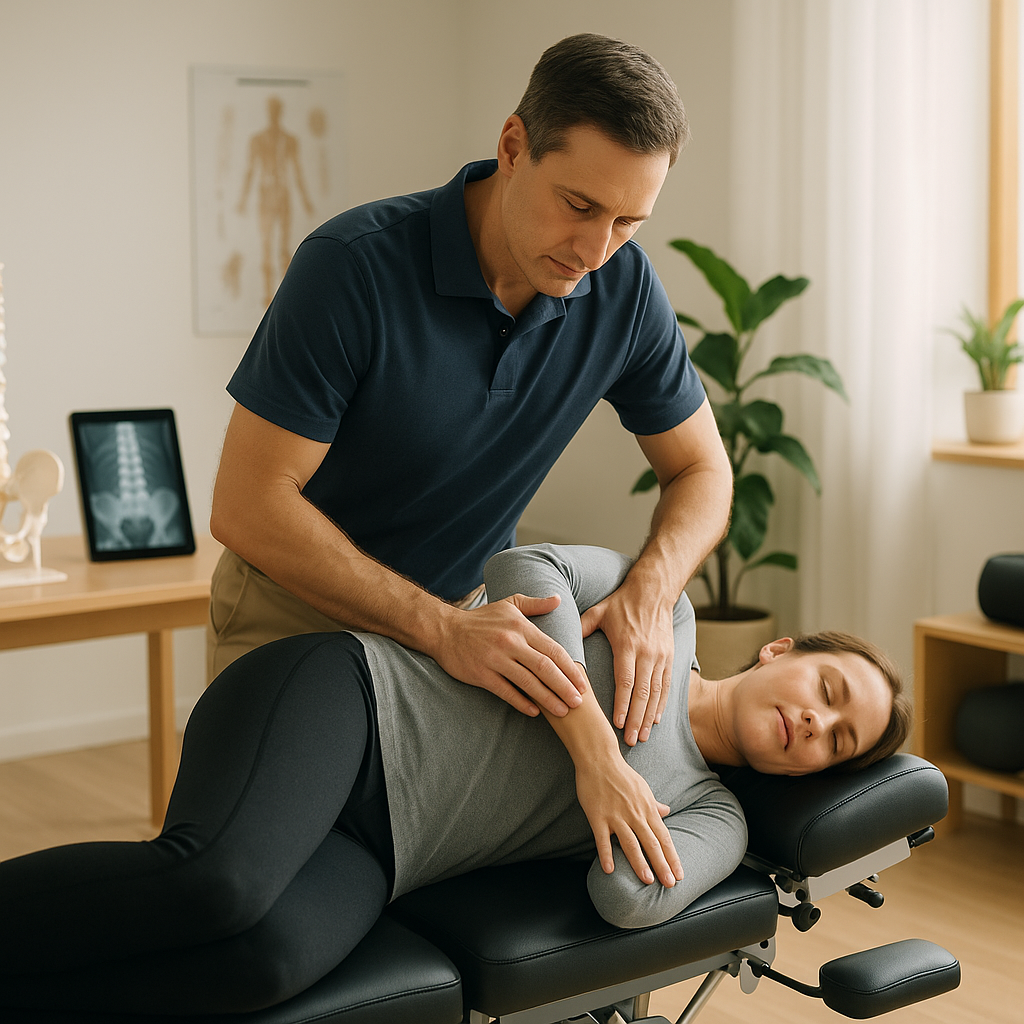
Understanding Chiropractic Care as a Conservative Alternative to Surgery
When faced with chronic back pain, herniated discs, or spinal conditions, many patients are immediately directed toward surgical intervention. However, surgery carries inherent risks, lengthy recovery periods, and significant financial costs. Chiropractic care has emerged as a well-established, evidence-based approach that offers a meaningful chiropractic alternative to surgery for a wide range of musculoskeletal and spinal conditions. Understanding how this form of conservative care works can help patients make informed decisions about their health journey.
What Does Chiropractic Care Involve?
Chiropractic care is a licensed healthcare discipline that focuses on the diagnosis, treatment, and prevention of disorders related to the musculoskeletal system, with particular emphasis on the spine. Chiropractors use hands-on spinal manipulation, mobilization techniques, soft tissue therapies, and rehabilitative exercises to restore proper alignment, improve function, and reduce pain.
Unlike surgery, which often involves cutting, fusing, or removing tissue, chiropractic treatment works with the body’s natural healing mechanisms. The goal of conservative care chiropractic is to address the root cause of pain and dysfunction without the need for invasive procedures or long-term pharmaceutical dependency.
Common Conditions Treated Through Chiropractic Care
Chiropractors regularly treat a broad spectrum of conditions that might otherwise lead patients to consider surgical options. These include:
- Herniated or bulging discs: Spinal manipulation and decompression techniques can help relieve pressure on affected nerves and promote disc rehydration.
- Sciatica: Targeted adjustments can reduce nerve compression that leads to radiating leg pain.
- Degenerative disc disease: Chiropractic care helps maintain spinal mobility and manage symptoms without surgical fusion.
- Spinal stenosis: Gentle mobilization techniques may provide relief by improving spinal canal space and reducing inflammation.
- Facet joint syndrome: Adjustments to the facet joints can restore movement and decrease localized pain.
- Muscle strains and ligament sprains: Soft tissue therapies complement spinal adjustments to accelerate healing.
- Scoliosis: Chiropractic management may help slow progression and manage discomfort in certain cases.
How Chiropractic Care Helps Patients Avoid Back Surgery
The decision to avoid back surgery is one that many patients and physicians are increasingly considering, particularly when conservative treatments have not yet been fully explored. Research has consistently demonstrated that a significant percentage of patients who undergo chiropractic care for conditions such as lumbar disc herniation and chronic low back pain experience substantial improvement without ever requiring surgical intervention.
A landmark study published in the Journal of Manipulative and Physiological Therapeutics found that patients who received chiropractic spinal manipulation were significantly less likely to undergo spine surgery compared to those who initially consulted only with a surgeon. This finding underscores the importance of exploring non-surgical options before committing to an invasive procedure.
Chiropractic care works to avoid surgery by:
- Restoring proper spinal alignment, which reduces nerve pressure and inflammation
- Improving the range of motion in affected joints and surrounding soft tissues
- Strengthening supporting muscles through tailored rehabilitative exercises
- Reducing reliance on pain medications that may mask symptoms without addressing underlying dysfunction
- Educating patients on posture, ergonomics, and lifestyle modifications to prevent recurrence
Non-Surgical Spine Treatment: The Chiropractic Approach in Practice
Non-surgical spine treatment through chiropractic care begins with a comprehensive evaluation. During the initial consultation, the chiropractor takes a detailed medical history, performs orthopedic and neurological assessments, and may review imaging studies such as X-rays or MRIs. This thorough diagnostic process allows the practitioner to develop a highly individualized treatment plan tailored to the patient’s specific condition and goals.
A typical chiropractic treatment plan may incorporate the following components:
Spinal Manipulation and Mobilization
Spinal manipulation, often referred to as a chiropractic adjustment, involves applying a controlled, precise force to a specific spinal joint. This technique helps restore normal joint mechanics, reduce nerve irritability, and improve overall spinal function. Mobilization, a gentler alternative, involves slow, passive movements to increase range of motion in joints that have become restricted due to injury or chronic degeneration.
Flexion-Distraction Technique
Particularly effective for disc herniations and spinal stenosis, flexion-distraction is a non-thrusting technique performed on a specialized table. It gently stretches the spine and applies a pumping rhythm to the affected disc, helping to reduce disc pressure, decrease inflammation, and relieve associated nerve pain.
Soft Tissue and Myofascial Therapies
Many spinal conditions are accompanied by significant muscle tension, trigger points, and connective tissue restrictions. Chiropractors often employ techniques such as myofascial release, Active Release Technique (ART), and instrument-assisted soft tissue mobilization to address these contributing factors and enhance the effectiveness of spinal adjustments.
Rehabilitation and Exercise Therapy
A sustainable recovery requires more than passive treatment. Chiropractors design individualized exercise programs aimed at strengthening the core musculature, improving spinal stability, and restoring functional movement patterns. These exercises serve as a critical component in preventing future injury and reducing the likelihood of symptom recurrence.
Additional Resources
- NIH overview of spinal manipulation
- MedlinePlus back pain resources
- NINDS low back pain information
- What is the chiropractic approach to breath work and spinal health?
- What is the chiropractic approach to autoimmune conditions?
- What is the chiropractic approach to recovery from falls in the elderly?














