
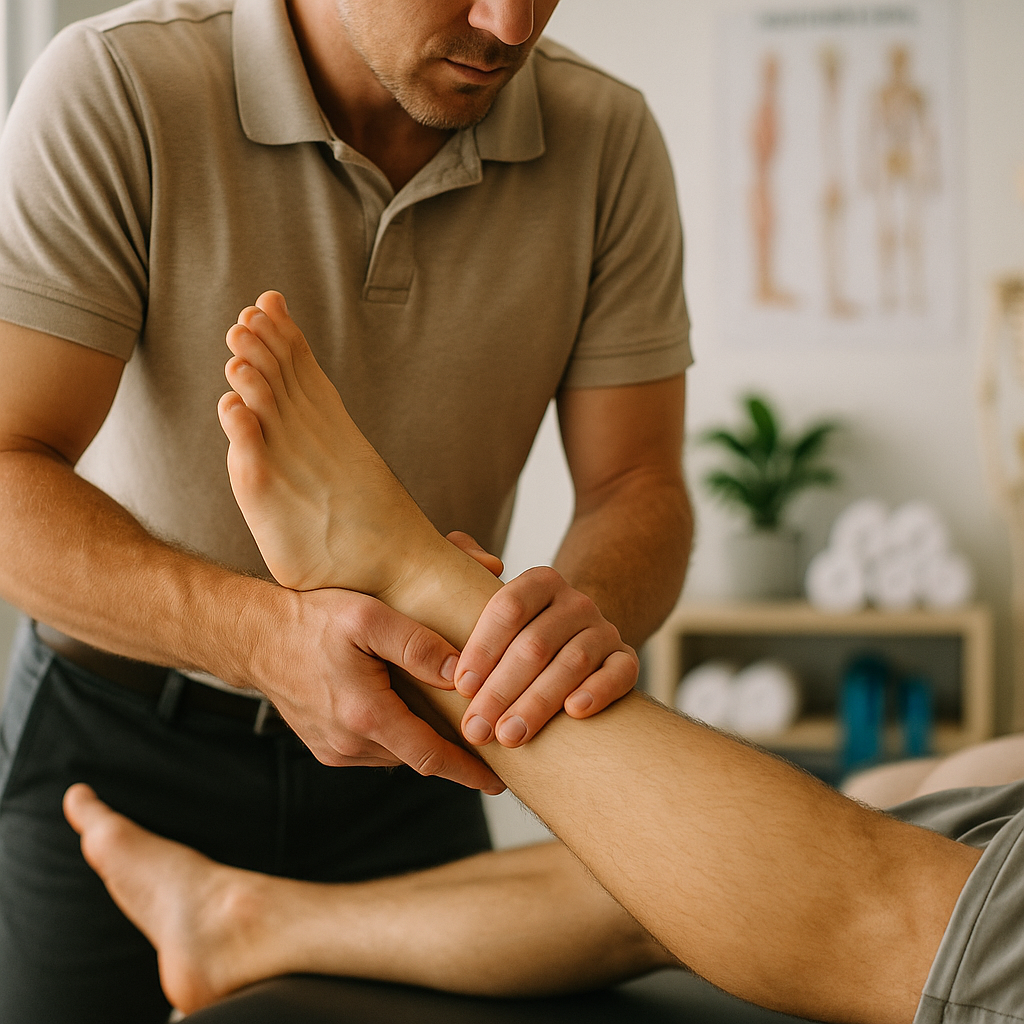
Understanding Extremity Adjusting in Chiropractic Care
When most people think of chiropractic care, they immediately picture spinal adjustments — a practitioner working along the neck and back to relieve pain and restore alignment. However, chiropractic medicine extends well beyond the spine. Extremity chiropractic is a specialized area of practice that focuses on diagnosing and treating joints outside of the spinal column, including the shoulders, knees, wrists, ankles, and elbows. For patients dealing with joint pain, restricted movement, or sports-related injuries, extremity adjusting can be a highly effective and often overlooked treatment option.
What Does Extremity Adjusting Mean?
Extremity adjusting refers to the application of chiropractic manipulation techniques to the peripheral joints of the body — those located in the arms and legs. Just as the vertebrae of the spine can become misaligned or restricted in their movement, the joints of the extremities are equally susceptible to dysfunction. These dysfunctions may arise from trauma, repetitive motion, poor posture, overuse injuries, or even compensatory patterns that develop when the body tries to protect another injured area.
A chiropractic extremity adjustment involves applying a precise, controlled force to a specific joint with the goal of restoring normal motion, reducing inflammation, alleviating pain, and improving overall joint function. The technique requires specialized training, as the anatomy and biomechanics of peripheral joints differ significantly from those of the spine.
Common Joints Treated with Extremity Chiropractic
Chiropractors trained in extremity care can address a wide range of joints throughout the body. Some of the most frequently treated areas include:
- Shoulder: One of the most mobile and complex joints in the human body
- Knee: A weight-bearing joint prone to misalignment and injury
- Wrist: Often affected by repetitive strain and carpal issues
- Ankle: Frequently involved in sports injuries and chronic instability
- Elbow: Commonly impacted by overuse conditions such as tennis elbow
- Hip: A critical joint connecting the lower extremity to the pelvis
- Foot and toe joints: Important for proper gait mechanics and balance
Shoulder Adjustment: Restoring Function to a Complex Joint
The shoulder adjustment is among the most commonly requested extremity treatments in chiropractic practice. The shoulder joint — more formally known as the glenohumeral joint — is a ball-and-socket joint that allows for a remarkable range of motion. This mobility, however, also makes it inherently susceptible to instability, impingement, and misalignment.
Conditions that may benefit from a chiropractic shoulder adjustment include rotator cuff dysfunction, frozen shoulder (adhesive capsulitis), shoulder impingement syndrome, and general stiffness or restricted motion. During a shoulder adjustment, the chiropractor will assess the position and movement of the joint, identify areas of restriction, and apply a targeted adjustment to restore proper alignment and mobility.
Many patients experience a noticeable improvement in range of motion and a reduction in discomfort following shoulder treatment. When combined with rehabilitative exercises and soft tissue therapies, shoulder adjusting can accelerate recovery and reduce the likelihood of recurring problems.
Knee Adjustment in Chiropractic: More Than Just a Hinge Joint
The knee may appear to be a simple hinge joint, but it is actually a sophisticated structure involving multiple bones, ligaments, tendons, and cartilage. Knee adjustment chiropractic care addresses misalignments and restrictions within the tibiofemoral joint (where the thigh bone meets the shin bone) as well as the patellofemoral joint (the kneecap and its tracking mechanism).
Patients who may benefit from chiropractic knee adjustments include those suffering from patellofemoral pain syndrome, iliotibial band syndrome, knee osteoarthritis, post-surgical stiffness, and general knee pain related to misalignment or gait abnormalities. By restoring proper joint mechanics, chiropractic care can help reduce wear and tear on the joint surfaces and improve the efficiency of surrounding musculature.
It is worth noting that the knee does not function in isolation. Dysfunction in the hip, ankle, or foot can directly contribute to knee pain. A thorough chiropractic assessment will often evaluate the entire kinetic chain to ensure that contributing factors are also addressed.
Wrist, Ankle, and Elbow Adjustments: Precision Care for Small Joints
The wrist, ankle, and elbow adjustment techniques employed in chiropractic care require considerable precision, as these joints involve multiple small articulations that must function in coordinated harmony. Disruption to any one of these joints can have a cascading effect on surrounding structures and overall limb function.
Wrist Adjustments
The wrist is composed of eight carpal bones arranged in two rows, forming several articulations between them and with the forearm. Wrist dysfunction is particularly common among office workers, manual laborers, and athletes who rely heavily on grip strength or repetitive hand movements. Conditions such as carpal tunnel syndrome, De Quervain’s tenosynovitis, and general wrist pain may all be influenced by joint restrictions within the wrist complex. Chiropractic adjustments to the wrist aim to restore normal carpal alignment and reduce nerve irritation.
Ankle Adjustments
The ankle joint bears the full weight of the body during standing and movement, making it a critical component of musculoskeletal health. Ankle sprains, chronic instability, and even plantar fasciitis can be related to restrictions within the ankle or subtalar joint.














