
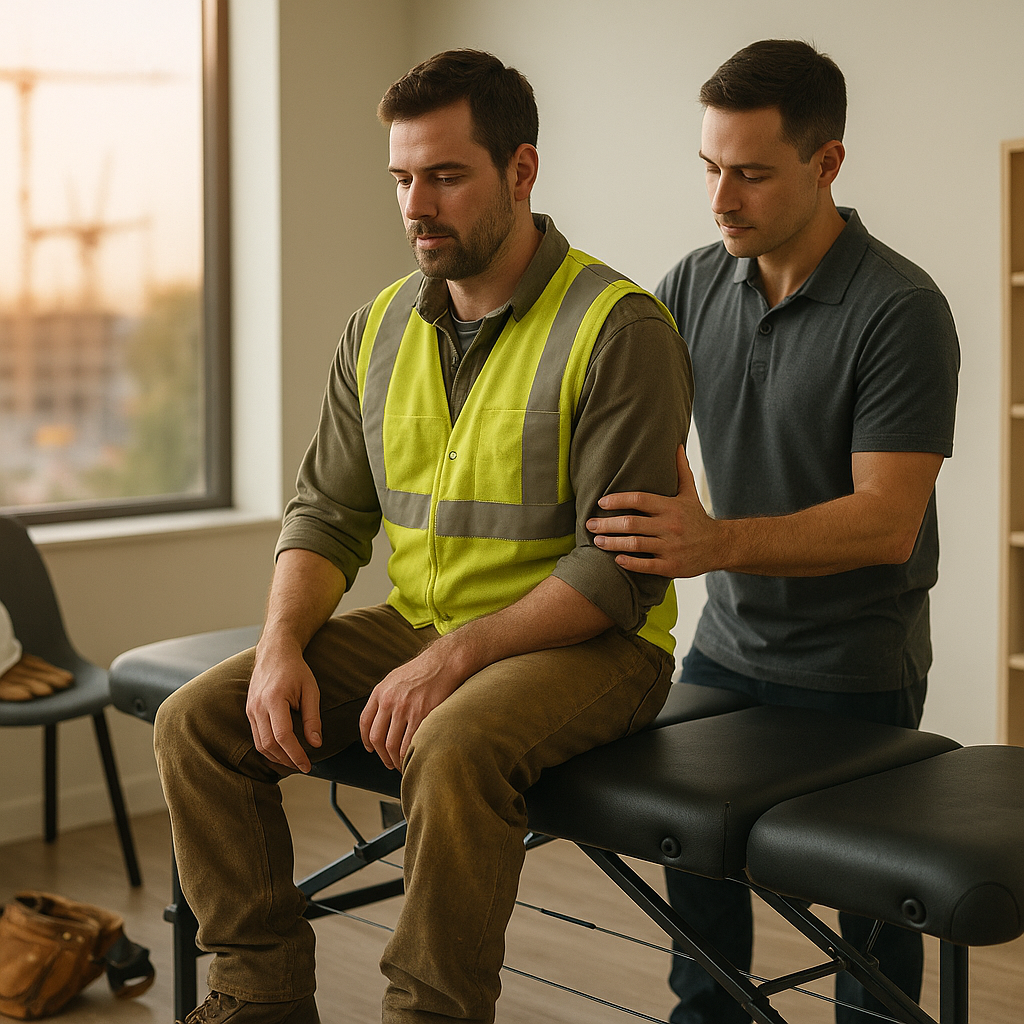
Understanding Chiropractic Care for Construction Workers
Construction work is one of the most physically demanding occupations in the world. Day after day, workers lift heavy materials, operate powerful machinery, perform repetitive movements, and maintain awkward postures for extended periods. Over time, these physical demands take a serious toll on the musculoskeletal system — particularly the spine. This is where chiropractic care becomes not just beneficial, but essential for those working in the construction industry.
A construction worker chiropractor specializes in diagnosing, treating, and preventing the types of injuries and chronic pain conditions that develop as a direct result of heavy labor. Rather than relying solely on pain medication or waiting until an injury becomes debilitating, chiropractic care offers a proactive, non-invasive approach to maintaining musculoskeletal health throughout a construction worker’s career.
Why Construction Workers Are at High Risk for Spinal Injuries
The nature of construction work places extraordinary stress on the human body. Unlike sedentary office jobs, construction demands a combination of heavy lifting, pushing, pulling, bending, twisting, and prolonged standing or kneeling. These activities, when performed repeatedly over months and years, create cumulative trauma that can lead to serious spinal conditions.
Some of the most common contributors to heavy labor back pain in construction workers include:
- Repetitive lifting and carrying: Regularly lifting heavy loads such as lumber, concrete blocks, steel beams, and equipment compresses the spinal discs and strains the supporting muscles and ligaments.
- Awkward postures: Working in confined spaces, overhead positions, or crouched postures forces the spine into unnatural alignments, leading to joint dysfunction and nerve irritation.
- Vibration exposure: Operating heavy machinery such as jackhammers, compactors, and bulldozers exposes workers to whole-body vibration, which is a well-documented cause of spinal degeneration and lower back disorders.
- Slips, trips, and falls: Construction sites are inherently hazardous environments where sudden traumatic injuries can occur, causing acute spinal misalignments and soft tissue damage.
- Prolonged static postures: Tasks that require workers to remain in one position for extended periods can restrict blood flow, stiffen the joints, and weaken the stabilizing muscles of the spine.
These risk factors collectively make construction workers one of the most vulnerable populations for developing chronic back pain, herniated discs, sciatica, and other spinal disorders that, if left untreated, can end careers prematurely.
What Does a Construction Worker Chiropractor Do?
A chiropractor who works with construction professionals brings a deep understanding of occupational biomechanics and the specific demands placed on the body during manual labor. Their primary goal is to restore proper spinal alignment, improve joint mobility, relieve nerve compression, and support the body’s natural healing processes — all without surgery or pharmaceutical intervention.
During an initial consultation, the chiropractor will conduct a thorough evaluation that typically includes:
- A detailed review of the worker’s occupational history and daily physical demands
- A comprehensive physical and orthopedic examination
- Postural analysis and gait assessment
- Neurological testing to identify nerve involvement
- Imaging referrals such as X-rays or MRIs if necessary
Based on this evaluation, the chiropractor will develop a personalized treatment plan tailored to the specific needs and injury profile of the individual worker. This plan may evolve over time as the patient progresses through different stages of recovery or as preventive maintenance goals are established.
Core Chiropractic Techniques Used in Construction Injury Treatment
Chiropractic care encompasses a wide range of evidence-based techniques that can be applied to address the unique challenges faced by construction workers. Construction injury treatment through chiropractic methods typically includes the following approaches:
Spinal Manipulation and Adjustment
This is the cornerstone of chiropractic care. The chiropractor applies precise, controlled force to specific spinal joints that have become restricted or misaligned — a condition known as a subluxation. Spinal adjustments restore normal joint motion, reduce inflammation, relieve nerve pressure, and significantly decrease pain. For construction workers dealing with acute injuries or chronic lower back pain, regular spinal adjustments can produce remarkable improvements in both function and comfort.
Soft Tissue Therapy
Given the intensity of physical labor, construction workers frequently suffer from muscle strains, trigger points, and fascial adhesions. Chiropractors often incorporate soft tissue therapies such as myofascial release, active release technique (ART), and instrument-assisted soft tissue mobilization (IASTM) to address muscle tightness, improve circulation, and accelerate tissue repair.
Therapeutic Exercise and Rehabilitation
Restoring strength and stability is critical for construction workers who must return to physically demanding tasks. Chiropractors prescribe targeted rehabilitation exercises designed to strengthen the core muscles, improve spinal stability, correct muscular imbalances, and reduce the risk of reinjury. These programs are customized to the specific functional requirements of construction work.
Flexion-Distraction Therapy
This gentle, non-force technique is particularly effective for construction workers dealing with disc herniations or degenerative disc disease. Using a specialized table, the chiropractor applies a rhythmic pumping motion to the lumbar spine that decompresses the intervertebral discs, reduces intradiscal pressure, and promotes the retraction of herniated disc material away from compressed nerve roots.














