
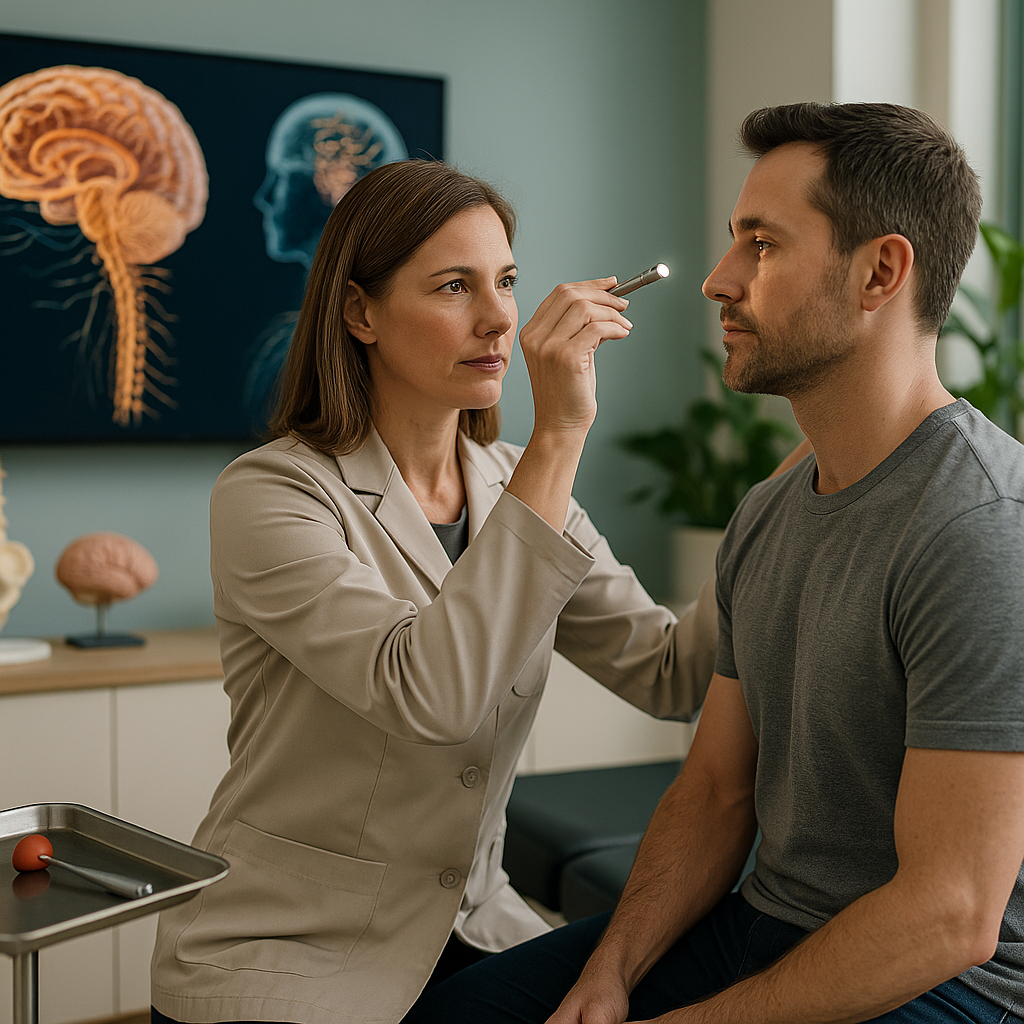
Understanding the Role of a Chiropractic Neurologist
When most people think of chiropractic care, they picture spinal adjustments and relief from back pain. However, the field extends far beyond that. A chiropractic neurologist is a highly specialized healthcare professional who combines the principles of chiropractic care with an advanced, in-depth understanding of how the nervous system functions. This unique intersection creates a powerful approach to diagnosing and treating a wide range of neurological and musculoskeletal conditions without the use of drugs or surgery.
Whether you are dealing with chronic headaches, balance disorders, cognitive difficulties, or movement problems, a chiropractic neurology specialist may offer a path to improved health that you have not yet explored. Understanding what this specialist does, how they are trained, and what conditions they treat can help you make more informed decisions about your healthcare.
What Exactly Is a Chiropractic Neurologist?
A chiropractic neurologist, also referred to as a functional neurologist, is a licensed chiropractor who has completed extensive postgraduate training in clinical neuroscience. This training goes well beyond what is covered in a standard chiropractic program. The focus shifts from primarily addressing the spine to evaluating and treating the brain, nervous system, and how these systems interact with the rest of the body.
These specialists are not medical neurologists, meaning they do not prescribe medications or perform surgeries. Instead, they use non-invasive, drug-free therapies to stimulate and rehabilitate the nervous system. Their work is grounded in neuroplasticity — the brain’s remarkable ability to reorganize, adapt, and form new connections throughout a person’s lifetime.
The conditions addressed by a chiropractic neurology specialist often include:
- Concussions and traumatic brain injuries
- Vertigo and dizziness disorders
- Neuropathy and nerve pain
- Movement disorders such as tremors
- Attention deficit disorders (ADD/ADHD)
- Autism spectrum conditions
- Chronic pain syndromes
- Learning and developmental delays
- Post-stroke rehabilitation
- Migraines and tension headaches
The DACAN Certification: A Mark of Advanced Expertise
One of the most recognized credentials in this field is the DACAN certification, which stands for Diplomate of the American Chiropractic Association of Neurology. This credential is awarded by the American Chiropractic Neurology Board (ACNB) and represents one of the highest levels of achievement a chiropractor can earn in the area of neuroscience.
To earn the DACAN certification, a chiropractor must complete a minimum of 300 hours of postgraduate coursework in clinical neuroscience. Following this intensive training period, candidates must pass a rigorous examination that tests both their theoretical knowledge and their clinical competency. This process ensures that only those with a thorough understanding of neurological diagnosis and treatment can use this designation.
The DACAN certification is not simply an academic achievement. It demonstrates a genuine commitment to patient care at the highest level. When you consult with a DACAN-certified professional, you can be confident that they have invested significant time and effort in mastering the complex relationship between the nervous system and overall health.
Other certifications in this field may include the Diplomate of the American Board of Chiropractic Neurology (DABCN), which follows a similar rigorous process. Together, these credentials help establish a standard of excellence within the growing specialty of chiropractic neurology.
Functional Neurology Chiropractic: A Brain-Based Approach to Health
The term functional neurology chiropractic describes the philosophy and methodology that chiropractic neurologists use in their practice. Unlike conventional medicine, which often focuses on treating symptoms after a diagnosable disease has been identified, functional neurology takes a broader view. It seeks to understand how various parts of the nervous system are functioning — or failing to function — and then uses targeted therapies to restore balance and efficiency.
At the core of functional neurology is the concept of neurological deficits. These are areas of the nervous system that are not performing optimally, even when standard diagnostic tests may not reveal a specific disease. A chiropractic neurologist is trained to identify these subtle imbalances through detailed clinical examinations and then design individualized treatment programs to address them.
Treatment approaches used in functional neurology chiropractic may include:
- Spinal manipulation and adjustments: To correct biomechanical dysfunction and improve neurological input to the brain
- Eye movement exercises: To rehabilitate pathways between the brain and the eyes, which are heavily involved in balance and coordination
- Vestibular rehabilitation: To address inner ear dysfunction and related balance problems
- Proprioceptive training: To improve the body’s sense of position and movement
- Cognitive exercises: To stimulate specific areas of the brain involved in memory, attention, and processing speed
- Sensory stimulation: Using light, sound, or tactile input to activate neurological pathways
- Nutritional and lifestyle guidance: To support overall brain health and neurological function
The beauty of this approach lies in its individualization. No two nervous systems are exactly alike, and no two treatment plans look the same. A chiropractic neurologist takes the time to thoroughly assess each patient before designing a programme that is tailored to their specific neurological profile.
Brain-Based Chiropractic: Why the Brain Is Always the Focus
The phrase brain-based chiropractic captures the fundamental philosophy of this specialty.












