
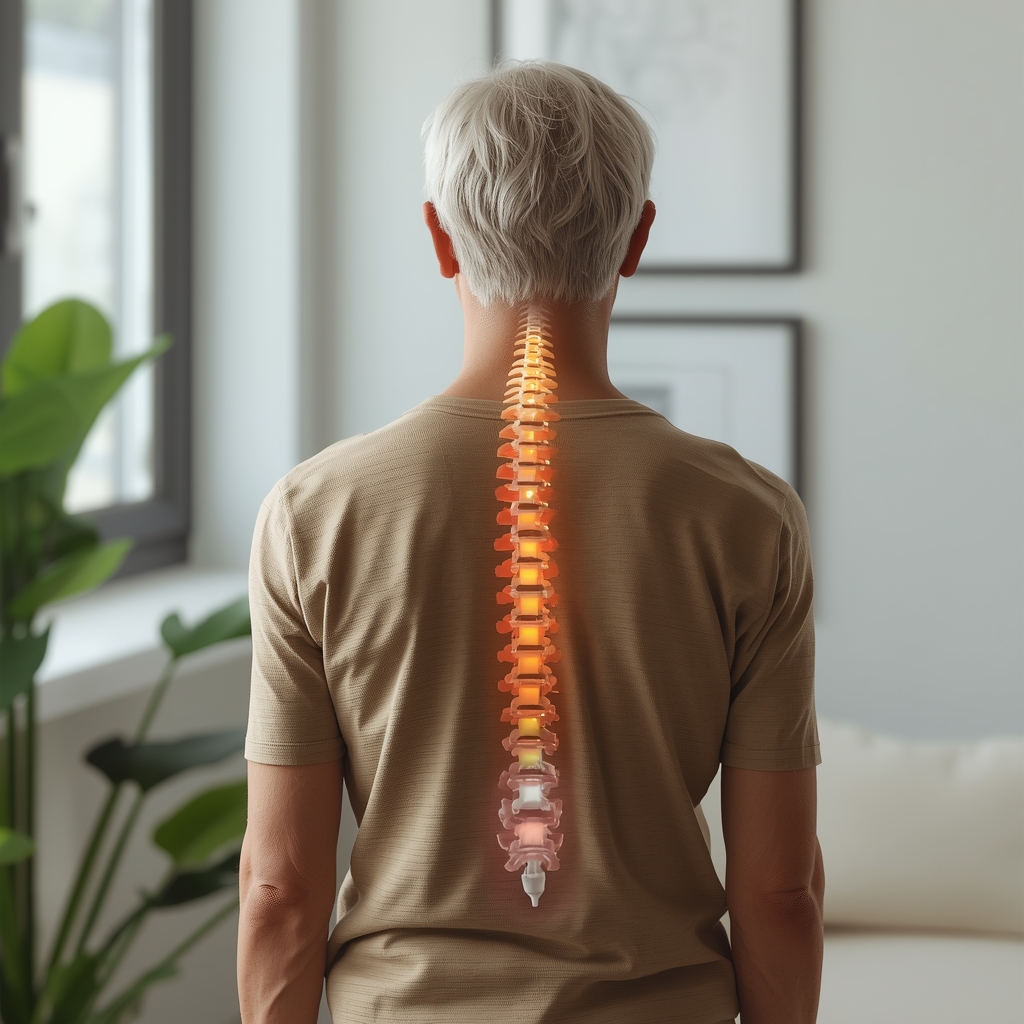
Understanding Holistic Chiropractic Care for Aging Adults
Holistic chiropractic care focuses on treating the whole person rather than just symptoms, emphasizing the body's innate ability to heal. For aging adults, this approach can address musculoskeletal issues while considering overall wellness. Techniques like spinal adjustments, soft tissue therapy, and lifestyle guidance work together to improve mobility, reduce pain, and enhance quality of life. By prioritizing prevention and balance, holistic care supports aging adults in maintaining independence and vitality. This method often integrates with other health practices, creating a comprehensive strategy for long-term wellness. It’s essential to consult a qualified chiropractor to tailor these approaches to individual needs, ensuring safety and effectiveness.
Preventive Care and Early Intervention Strategies
Preventive chiropractic care plays a vital role in maintaining health as adults age. Regular adjustments can detect and address minor imbalances before they escalate into chronic issues. For example, correcting spinal misalignments may reduce the risk of degenerative conditions like osteoarthritis or herniated discs. Chiropractors also emphasize posture, movement, and ergonomics to minimize strain on the body. Early intervention through routine checkups can prevent falls, improve joint function, and support nerve health. By fostering proactive health habits, aging adults can preserve their physical abilities and reduce reliance on invasive treatments. This approach aligns with broader wellness goals, encouraging a lifestyle that prioritizes prevention over reactive care.
Nutritional Support and Its Role in Holistic Wellness
Nutrition is a cornerstone of holistic chiropractic care, as dietary choices directly impact musculoskeletal health and overall vitality. Aging adults may benefit from diets rich in anti-inflammatory foods, such as fruits, vegetables, and omega-3 fatty acids, which support joint health and reduce chronic inflammation. Chiropractors often collaborate with nutritionists to create personalized plans that address deficiencies and promote healing. For instance, adequate vitamin D and calcium intake is crucial for bone density, while hydration and fiber support digestive and metabolic functions. By integrating nutritional guidance with spinal care, practitioners help patients achieve balanced wellness. This synergy between diet and chiropractic care underscores the importance of a multifaceted approach to aging gracefully.
Integrative Health Approaches: Combining Chiropractic with Other Therapies
Integrative health approaches combine chiropractic care with complementary therapies to enhance outcomes for aging adults. Techniques like acupuncture, massage therapy, and physical rehabilitation can work alongside spinal adjustments to relieve pain and improve mobility. For example, acupuncture may reduce inflammation, while massage therapy eases muscle tension. Chiropractors often recommend exercises, yoga, or tai chi to strengthen muscles and improve balance, lowering fall risks. These integrative methods address both physical and emotional well-being, fostering a holistic healing environment. By combining evidence-based practices, practitioners create tailored plans that support long-term wellness. This collaborative approach empowers patients to take an active role in their health journey.
Lifestyle Adjustments for Long-Term Wellness
Adopting healthy lifestyle habits is essential for aging adults embracing holistic chiropractic care. Regular, gentle exercise like walking or swimming improves circulation and joint flexibility, while mindfulness practices reduce stress that can exacerbate pain. Chiropractors often guide patients in creating ergonomic home environments to prevent strain during daily activities. Sleep quality also plays a role, as poor posture or discomfort can disrupt rest. By addressing these factors, aging adults can maintain mobility and independence. Lifestyle changes, when paired with chiropractic care, create a sustainable foundation for wellness. These adjustments not only support physical health but also enhance mental clarity and emotional resilience, contributing to a fulfilling later life.
Conclusion: Embracing a Holistic Approach to Aging
Holistic chiropractic care offers aging adults a proactive way to enhance wellness and prevent chronic illness. By focusing on prevention, nutrition, integrative therapies, and lifestyle changes, this approach supports the body’s natural healing processes. Regular chiropractic visits, combined with personalized health strategies, can improve mobility, reduce pain, and foster longevity. It’s important to work with a qualified professional to design a plan that suits individual needs. As research continues to highlight the benefits of holistic methods, more aging adults are discovering the value of these practices. Embracing a comprehensive approach to health empowers individuals to age gracefully while maintaining their quality of life.















