
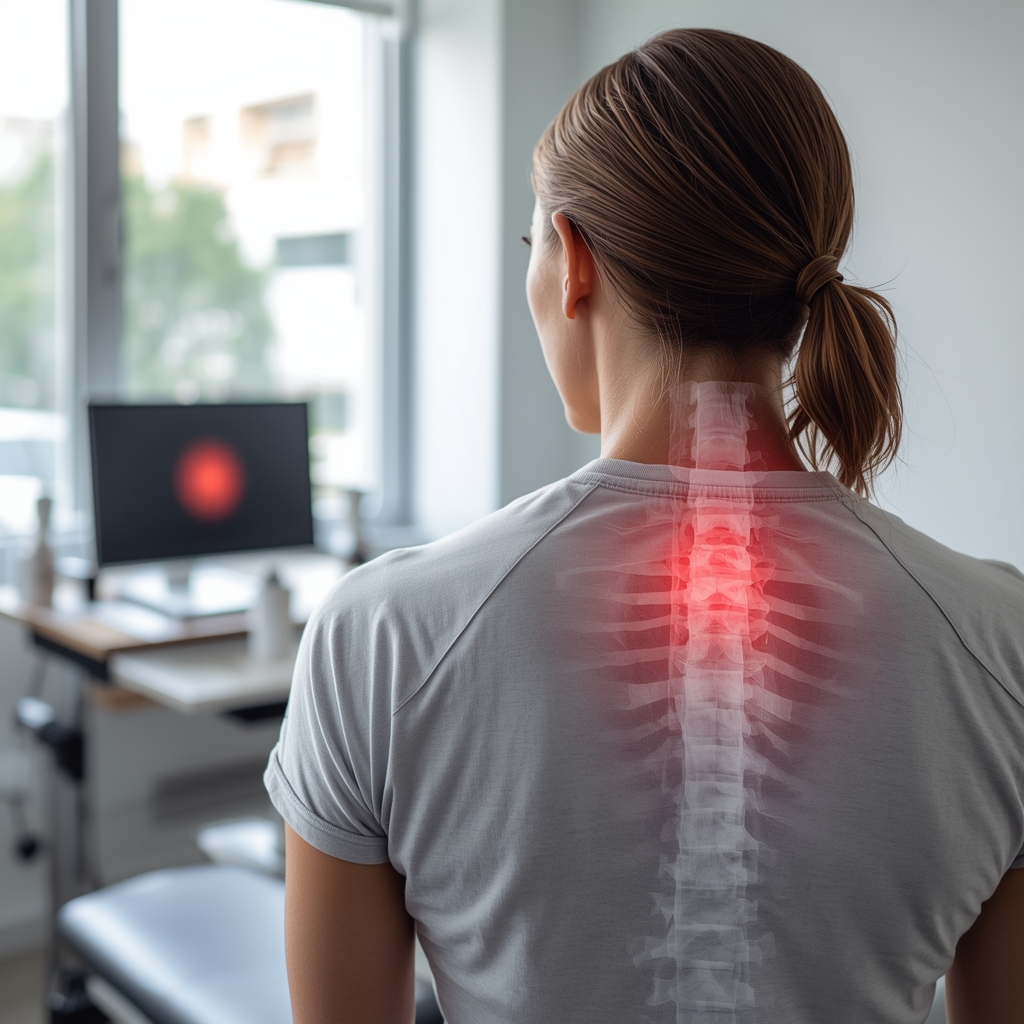
Understanding Cold Laser Therapy for Musculoskeletal Conditions
Cold laser therapy, also known as low-level laser therapy (LLLT), is a non-invasive treatment that uses specific wavelengths of light to stimulate cellular function and reduce inflammation. It is commonly used in musculoskeletal care for conditions like tendonitis, arthritis, and soft tissue injuries. The therapy works by delivering light energy to the affected area, which may enhance tissue repair and alleviate pain. While its mechanisms are not fully understood, research suggests it can influence cellular metabolism and reduce oxidative stress. For chronic shoulder rotator cuff injuries, cold laser therapy is often considered as part of a broader treatment plan, alongside physical therapy and chiropractic adjustments. However, its effectiveness varies, and patients should consult a qualified provider to determine if it aligns with their specific needs.
Evidence Supporting Cold Laser Therapy for Shoulder Injuries
Several studies have explored the potential benefits of cold laser therapy for musculoskeletal conditions, including shoulder injuries. While the evidence is not definitive, some research indicates it may help reduce pain and improve function in patients with chronic rotator cuff issues. For example, a 2018 review of clinical trials found that low-level laser therapy could provide short-term pain relief for musculoskeletal disorders, though long-term efficacy remains unclear. Another study suggested that combining cold laser therapy with conventional treatments like exercise therapy might enhance recovery outcomes. However, these findings are not universally consistent, and more rigorous, large-scale trials are needed to establish clear guidelines. Patients considering this therapy should discuss its potential role with a chiropractor or healthcare provider.
How Cold Laser Therapy May Aid Rotator Cuff Recovery
Theoretical mechanisms behind cold laser therapy’s effects on rotator cuff injuries include reducing inflammation, promoting collagen synthesis, and improving blood circulation. By targeting the affected tissues, the therapy may accelerate healing and decrease discomfort. Some researchers propose that the light energy stimulates mitochondrial activity, enhancing cellular energy production and repair processes. Additionally, cold laser therapy could modulate pain signals by affecting nerve conduction. While these biological pathways are well-established, their direct application to rotator cuff injuries requires further validation. Clinicians often use the therapy as an adjunct to other interventions, such as manual therapy or rehabilitation exercises, to address both pain and functional limitations in chronic shoulder conditions.
Clinical Applications and Treatment Protocols
In clinical practice, cold laser therapy is typically administered using handheld devices that deliver light to the shoulder area for several minutes per session. Treatment protocols vary, with factors like wavelength, power output, and duration influencing outcomes. For chronic rotator cuff injuries, sessions may be scheduled multiple times weekly over several weeks. Chiropractors often integrate this therapy into a comprehensive care plan, which might include spinal adjustments, soft tissue work, and therapeutic exercises. Patients may notice gradual improvements in mobility and pain reduction, though results depend on individual factors like injury severity and overall health. It is important to note that cold laser therapy is not a standalone solution and should be used under professional supervision to ensure safety and effectiveness.
Limitations and Areas for Further Research
Despite growing interest, cold laser therapy for rotator cuff injuries faces several limitations. Variability in treatment parameters—such as laser type, intensity, and duration—makes it challenging to compare study results. Additionally, many trials suffer from small sample sizes or lack long-term follow-up, limiting the strength of their conclusions. Some researchers argue that placebo effects may contribute to reported benefits, highlighting the need for more rigorous, double-blind studies. While preliminary data is promising, the lack of standardized guidelines means its role in treating chronic shoulder conditions remains debated. Ongoing research aims to clarify optimal protocols and validate its efficacy through larger, more controlled trials.
Consulting a Healthcare Provider for Personalized Care
Chronic shoulder rotator cuff injuries require individualized approaches, and cold laser therapy may not be suitable for everyone. Patients should consult a licensed chiropractor or healthcare provider to discuss their specific condition, medical history, and treatment goals. A professional can evaluate whether cold laser therapy aligns with their care plan and recommend complementary strategies, such as physical therapy or lifestyle modifications. It is also crucial to address any underlying factors contributing to the injury, like poor posture or repetitive strain. While cold laser therapy offers a non-invasive option, its effectiveness depends on proper application and integration with other evidence-based treatments. Open communication with a qualified provider ensures safe and informed decision-making.













