
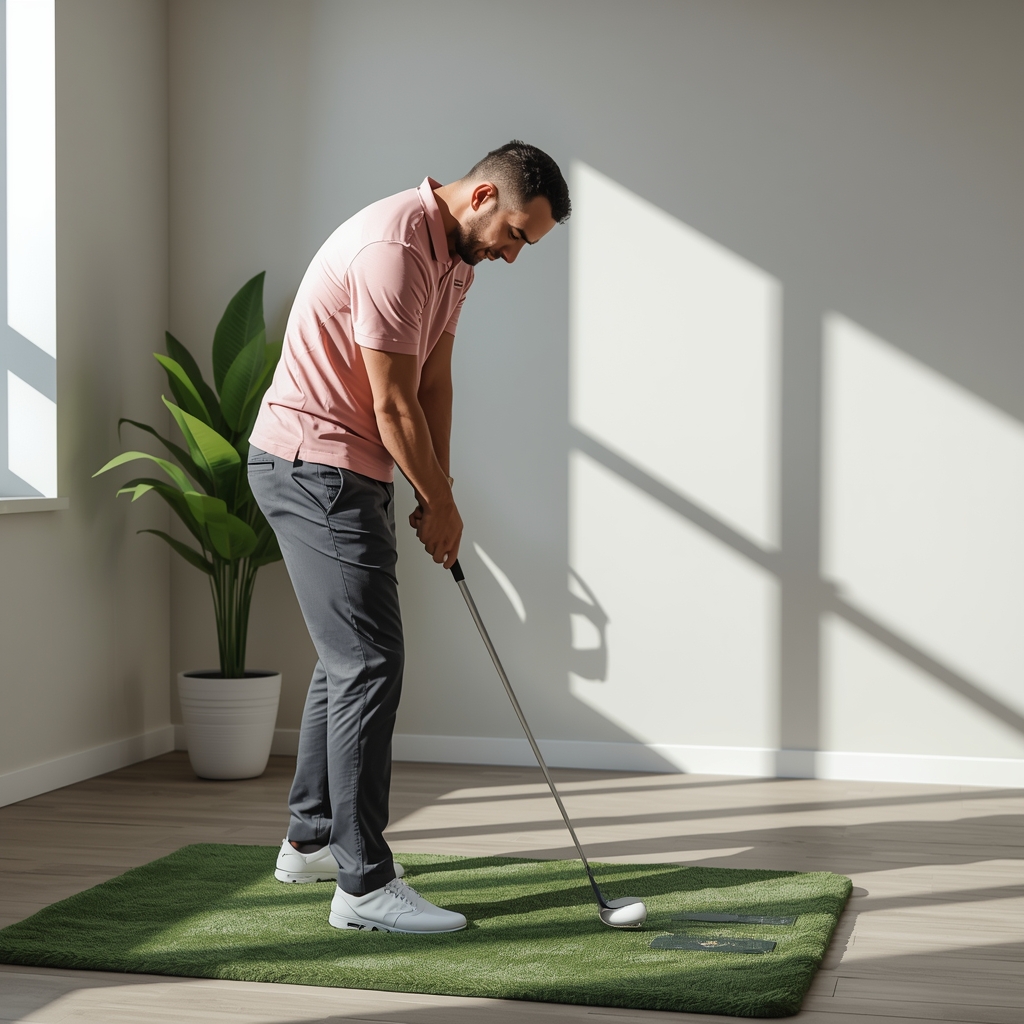
Understanding the Link Between Hip Flexibility and Golf Swing Mechanics
Hip flexibility plays a critical role in a golfer’s swing, enabling proper rotation, balance, and power generation. Limited hip mobility can lead to compensatory movements, increasing injury risk and reducing performance. Chiropractic care addresses these issues by identifying and resolving restrictions in the hip joint and surrounding soft tissues. Techniques like spinal adjustments and soft tissue work help restore natural movement patterns, allowing golfers to achieve a more efficient swing. This foundation of mobility also supports overall lower-body stability, which is essential for maintaining form during repeated swings. By prioritizing hip health, golfers can enhance their performance while minimizing strain on other areas of the body.
Active Release Technique (ART) for Hip Mobility
Active Release Technique (ART) is a soft tissue therapy that targets adhesions and restrictions in muscles, tendons, and ligaments. For golfers, ART can effectively address tightness in the hip flexors, hamstrings, and glutes—common culprits of reduced flexibility. By applying precise pressure while the patient moves, ART breaks down scar tissue and restores normal tissue function. This technique not only improves range of motion but also alleviates pain caused by overuse or improper swing mechanics. Many golfers report quicker recovery times and fewer restrictions after ART sessions, making it a valuable tool for maintaining peak performance. When combined with other chiropractic methods, ART can significantly enhance a golfer’s ability to rotate and move efficiently during play.
Spinal Adjustments and Postural Alignment
A golfer’s spine plays a key role in transmitting power and maintaining balance throughout the swing. Misalignments in the lumbar or sacroiliac regions can disrupt this process, leading to compensatory patterns that strain the hips and lower back. Chiropractic adjustments restore proper spinal alignment, ensuring optimal nerve function and joint mobility. By correcting these issues, adjustments help golfers achieve a more fluid swing with reduced risk of injury. Additionally, improved posture supports better weight transfer and rotation, which are vital for consistent performance. Regular adjustments can also prevent long-term wear and tear on the musculoskeletal system, making them an essential component of a golfer’s injury prevention strategy.
Hip-Specific Mobilization Techniques
Targeted mobilization exercises and manual therapies can directly address hip joint restrictions that hinder a golfer’s movement. Techniques such as joint manipulation, myofascial release, and proprioceptive neuromuscular facilitation (PNF) help increase flexibility and reduce stiffness. These methods are often used to improve the range of motion in the hips, which is crucial for generating power and maintaining proper swing mechanics. Chiropractors may also incorporate dynamic stretching routines tailored to a golfer’s specific needs, ensuring that the hips remain supple and responsive. By integrating these techniques into a regular care plan, golfers can maintain optimal hip function and reduce the likelihood of swing-related injuries.
Corrective Exercises for Long-Term Hip Health
Chiropractors often recommend corrective exercises to reinforce the benefits of in-office treatments and promote long-term hip flexibility. These exercises focus on strengthening weak muscles, stretching tight ones, and improving neuromuscular control. For golfers, movements like hip circles, clamshells, and hip thrusts can enhance mobility and stability. When performed consistently, these routines help maintain proper hip function between adjustments, reducing the risk of recurring issues. Additionally, incorporating balance and core-strengthening exercises supports overall swing efficiency. By combining professional care with at-home routines, golfers can sustain their progress and enjoy a more resilient, injury-free game.
Preventing Swing-Related Injuries Through Chiropractic Care
Regular chiropractic care offers a proactive approach to preventing injuries that stem from repetitive golf swing motions. By addressing biomechanical imbalances and maintaining joint mobility, chiropractors help golfers avoid common issues like hip strain, lower back pain, and knee discomfort. A personalized care plan may include adjustments, soft tissue work, and tailored exercise recommendations to support the body’s natural resilience. Golfers who prioritize chiropractic maintenance often experience fewer setbacks and a smoother return to play after intense sessions. Ultimately, this holistic approach not only enhances performance but also extends a golfer’s career by minimizing the impact of wear and tear on the body.














