
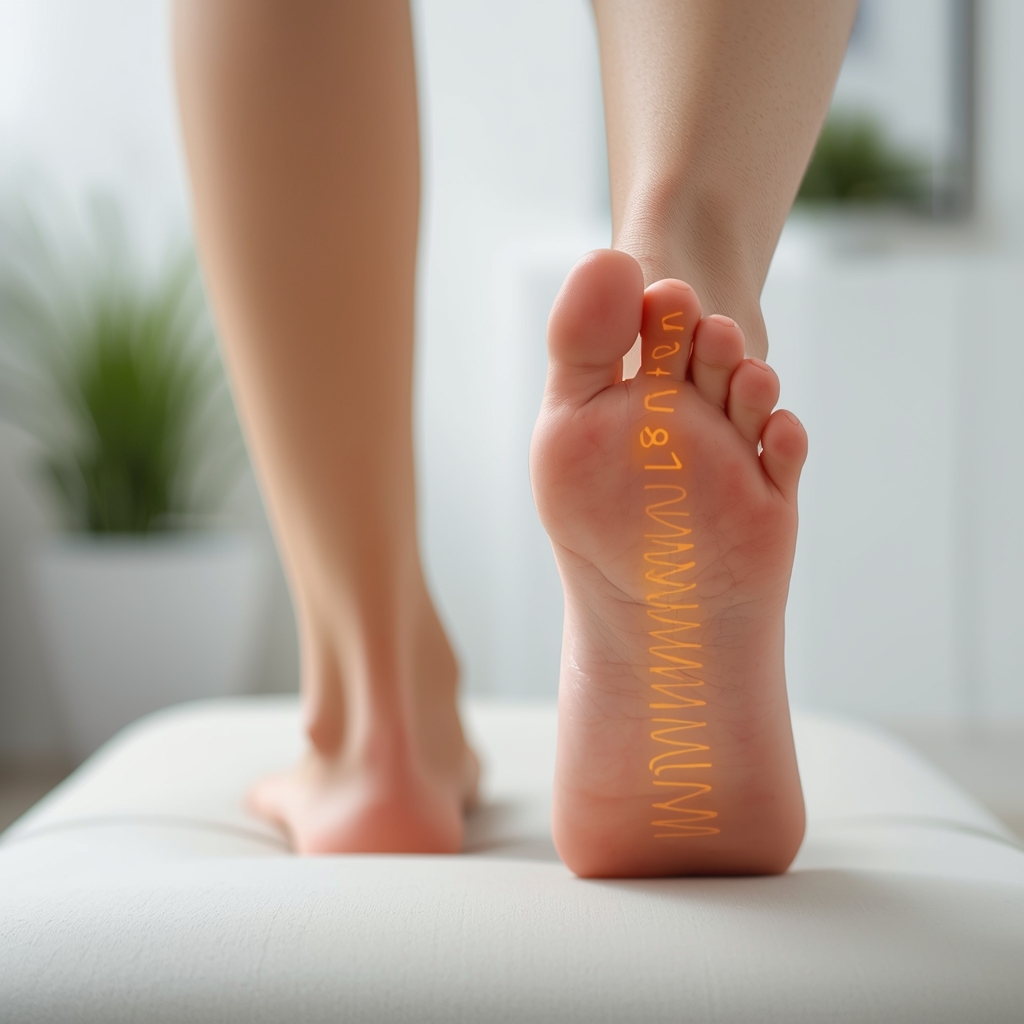
Understanding Plantar Fasciitis and Flat Feet
Plantar fasciitis is a common cause of heel pain, often linked to inflammation of the thick band of tissue connecting the heel to the toes. Flat feet, or fallen arches, can exacerbate this condition by altering gait mechanics and increasing strain on the plantar fascia. While traditional treatments like stretching and orthotics are standard, chiropractic care offers complementary approaches. Chiropractors may address biomechanical imbalances, focusing on the feet, ankles, and spine to reduce pressure on the affected area. However, it’s important to note that individual results vary, and a qualified provider should guide any treatment plan.
Spinal Adjustments and Postural Alignment
Chiropractic adjustments to the spine, particularly the lower back and pelvis, can indirectly benefit plantar fasciitis by improving overall posture and weight distribution. Misalignments in the spine may contribute to uneven stress on the feet, worsening flat feet and plantar fasciitis symptoms. By restoring proper spinal alignment, chiropractors aim to enhance nerve function and reduce compensatory movements that strain the plantar fascia. While research on this specific link is limited, many patients report improved comfort after addressing spinal health. Always consult a licensed chiropractor to determine if adjustments are appropriate for your condition.
Soft Tissue Therapy and Myofascial Release
Soft tissue techniques, such as myofascial release and trigger point therapy, target tightness in the muscles and fascia surrounding the feet and lower legs. These methods can alleviate tension in the plantar fascia and related structures, promoting healing. For patients with flat feet, overpronation often leads to muscle imbalances, which soft tissue therapy may help correct. Chiropractors might use tools like massage or instrument-assisted techniques to break up adhesions and improve circulation. While these therapies are generally safe, they should be performed by trained professionals to avoid injury. Combining them with other treatments may enhance outcomes.
Custom Orthotics and Foot Support
Custom orthotics are frequently recommended for flat feet and plantar fasciitis, as they provide arch support and redistribute pressure across the foot. Chiropractors may collaborate with podiatrists or use in-office tools to create personalized orthotics that address specific biomechanical issues. Properly fitted orthotics can reduce strain on the plantar fascia and improve gait patterns. However, their effectiveness depends on accurate diagnosis and fit. Patients should work closely with their chiropractor to ensure orthotics align with their treatment goals. Regular follow-ups may be necessary to adjust the devices as symptoms improve.
Stretching and Corrective Exercises
Stretching routines targeting the calves, Achilles tendon, and plantar fascia are a cornerstone of plantar fasciitis management. Chiropractors often prescribe tailored exercises to enhance flexibility and strengthen foot muscles, which can be especially beneficial for those with flat feet. Techniques like toe stretches, calf raises, and towel curls may reduce stiffness and prevent recurrence. While these exercises are generally safe, improper form could worsen symptoms. A chiropractor can demonstrate correct techniques and monitor progress. Pairing them with other therapies, such as soft tissue work, may yield better results.
Integrating Chiropractic Care with Other Treatments
Chiropractic care for plantar fasciitis and flat feet often works best when combined with other approaches. Physical therapy, anti-inflammatory medications, and lifestyle changes like weight management may complement chiropractic interventions. For example, addressing foot mechanics through orthotics while also incorporating stretching can create a holistic treatment plan. Patients should discuss all therapies with their chiropractor to avoid conflicts or overuse. While chiropractic techniques may not cure plantar fasciitis alone, they can play a valuable role in managing symptoms and improving quality of life. Always seek guidance from a licensed professional before starting new treatments.












