
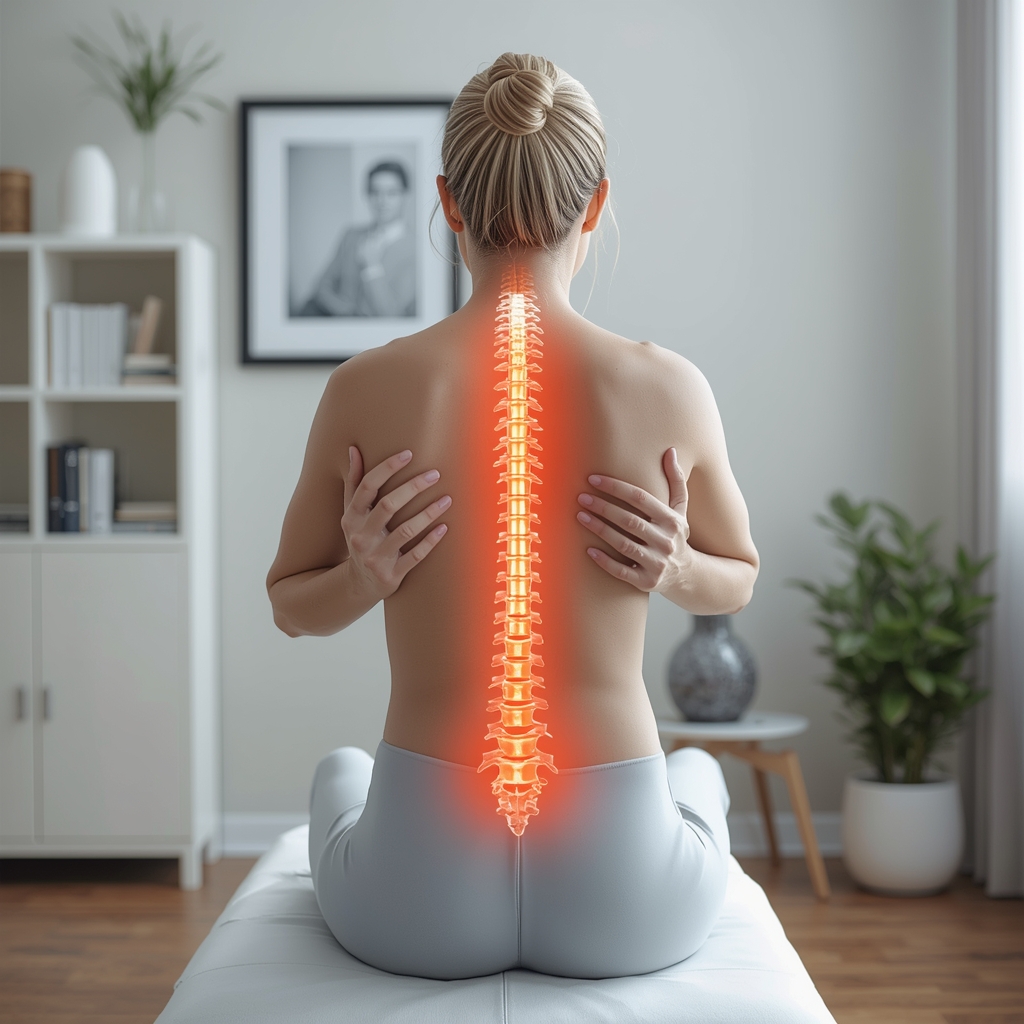
Understanding Sciatica and Degenerative Disc Disease
Sciatica occurs when the sciatic nerve becomes compressed, often due to degenerative disc disease (DDD), a condition where spinal discs lose flexibility and cushioning over time. This compression can cause radiating pain, numbness, or weakness along the nerve pathway. While DDD is a common age-related change, it may require targeted management to alleviate symptoms. Non-surgical approaches, such as chiropractic care, aim to reduce pressure on the nerve and improve spinal function. These strategies focus on restoring mobility, decreasing inflammation, and supporting the body’s natural healing processes. Patients often seek chiropractic interventions to avoid more invasive treatments, emphasizing a holistic, patient-centered approach to pain relief and long-term wellness.
Spinal Manipulation and Joint Adjustments
Spinal manipulation, a core chiropractic technique, involves precise adjustments to restore proper alignment and mobility to the spine. For sciatica linked to DDD, these adjustments may help relieve pressure on the sciatic nerve by correcting misalignments in the lumbar or sacral regions. While research on its effectiveness varies, many patients report reduced pain and improved function after sessions. Chiropractors often combine adjustments with other therapies to address both structural and functional components of the condition. It is important to note that results depend on individual factors, including the severity of disc degeneration and overall spinal health. A qualified chiropractor can assess whether this approach is suitable for a patient’s specific needs, ensuring care is tailored to their unique situation.
Decompression Therapy for Nerve Relief
Spinal decompression therapy is a non-surgical technique that gently stretches the spine to create space between vertebrae, reducing pressure on nerves and discs. This method is often used for conditions like DDD, where herniated or bulging discs may contribute to sciatica. By alleviating nerve compression, decompression therapy can decrease inflammation and promote healing. Some patients experience significant pain relief, though outcomes vary based on the underlying cause of their symptoms. This therapy is typically performed using specialized equipment and may be combined with other chiropractic interventions. As with any treatment, a thorough evaluation by a licensed chiropractor is essential to determine if decompression therapy aligns with a patient’s condition and goals.
Soft Tissue Techniques and Myofascial Release
Soft tissue techniques, such as Active Release Technique (ART) and myofascial release, target tight muscles and connective tissues that may contribute to sciatic pain. These methods aim to reduce tension in the lower back, hips, and legs, which can indirectly ease nerve compression. By improving muscle flexibility and blood flow, such therapies may enhance overall spinal function and comfort. Chiropractors often use these approaches alongside spinal adjustments to address both nerve and muscular components of DDD-related sciatica. While not a standalone solution, soft tissue work can complement other treatments, offering a more comprehensive strategy for symptom management. Patients should discuss these options with their provider to ensure they align with their broader care plan.
Rehabilitative Exercises and Posture Correction
Strengthening and stretching exercises play a critical role in managing sciatica from DDD. Core-strengthening routines, for example, can stabilize the spine and reduce strain on degenerating discs. Posture correction is equally important, as poor alignment may exacerbate nerve compression. Chiropractors often recommend personalized exercise programs to improve flexibility, endurance, and spinal support. These exercises may include low-impact activities like yoga or Pilates, which emphasize controlled movements and mindful breathing. Consistency is key, as regular practice can lead to long-term improvements in mobility and pain reduction. Patients should work closely with their chiropractor to ensure exercises are safe and appropriate for their condition, avoiding movements that could worsen symptoms.
Integrating Chiropractic Care with Other Therapies
A holistic approach to sciatica management often combines chiropractic care with complementary therapies. For instance, acupuncture, physical therapy, or massage may enhance the effects of spinal adjustments and decompression. These integrative strategies address multiple aspects of pain, including nerve sensitivity, muscle tension, and inflammation. Chiropractors may also collaborate with other healthcare providers to create a coordinated care plan tailored to the patient’s needs. While no single method works for everyone, a multidisciplinary approach can offer more comprehensive relief. Patients should always consult with licensed professionals before starting new treatments, ensuring safety and effectiveness. Open communication with healthcare providers remains essential for optimizing outcomes and maintaining overall well-being.













