
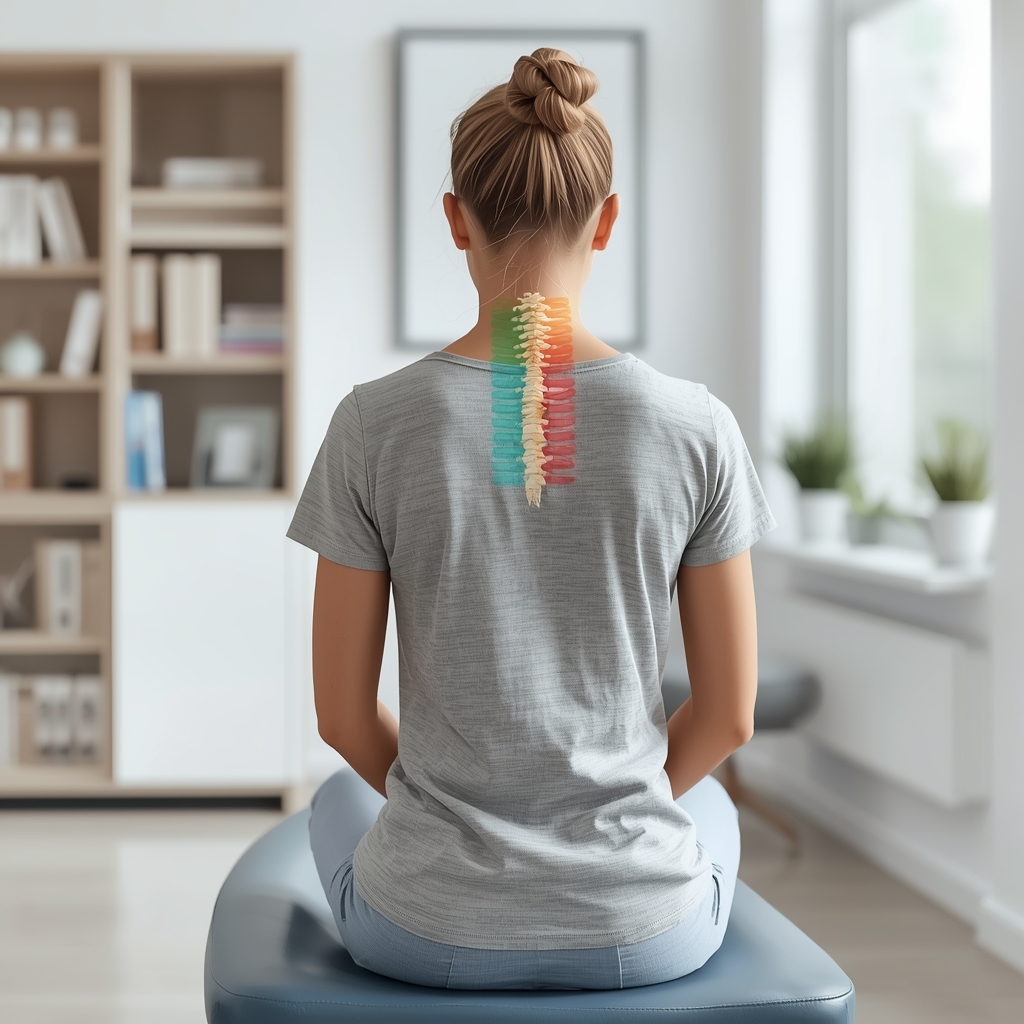
Understanding Mild Scoliosis in Adolescents
Mild scoliosis in adolescents refers to a curvature of the spine measuring 10-25 degrees, often detected during routine school screenings or pediatric checkups. While some cases progress and require bracing or surgery, others may stabilize or improve with non-invasive interventions. Chiropractic care focuses on supporting the body’s natural alignment and function, offering strategies to manage mild scoliosis without traditional medical interventions. It is important to note that chiropractic techniques should complement, not replace, standard medical evaluations. A qualified chiropractor can assess the spine’s structure and recommend personalized approaches to address postural imbalances and support spinal health in growing individuals.
Spinal Manipulation and Adjustments
Spinal manipulation, a core chiropractic technique, involves manual adjustments to improve joint mobility and reduce nerve interference. For adolescents with mild scoliosis, these adjustments may help alleviate discomfort and support spinal alignment. While research on scoliosis-specific outcomes is limited, some practitioners report that regular adjustments can enhance posture and reduce asymmetries. However, the effectiveness of this approach varies based on the individual’s condition, skeletal maturity, and overall health. Chiropractors often combine adjustments with other therapies to create a holistic plan, emphasizing the importance of consistent follow-ups to monitor progress and adapt care as needed.
Corrective Exercises and Posture Training
Corrective exercises are a cornerstone of non-surgical scoliosis management, focusing on strengthening core muscles and improving posture. Techniques like the Schroth method or Pilates-inspired routines target imbalanced muscle groups to reduce spinal curvature progression. Chiropractors may recommend specific stretches and movements to enhance flexibility and stability, tailored to the adolescent’s unique needs. These exercises aim to counteract postural habits that exacerbate scoliosis, such as slouching or uneven weight distribution. When integrated with chiropractic care, corrective exercises can support long-term spinal health. However, results depend on adherence to the program and regular reassessment by a healthcare provider to ensure safety and efficacy.
Soft Tissue Therapies and Myofascial Release
Soft tissue therapies, including massage, myofascial release, and trigger point therapy, address muscle tension and imbalances that may contribute to scoliosis-related discomfort. These techniques aim to relax tight muscles on one side of the spine while strengthening weaker areas, promoting better alignment. Chiropractors often use tools like foam rollers or specialized instruments to enhance these effects. While not a standalone solution, soft tissue work can complement spinal adjustments and exercises by improving circulation and reducing pain. Adolescents may find these therapies particularly beneficial for managing day-to-day discomfort, but they should be part of a broader care plan guided by a qualified professional.
Functional Movement Assessments and Customized Care
Functional movement assessments evaluate how an adolescent’s body moves during daily activities, identifying patterns that may worsen scoliosis. Chiropractors use these evaluations to design personalized care plans, incorporating adjustments, exercises, and lifestyle modifications. This approach prioritizes the individual’s unique biomechanics, ensuring interventions address root causes rather than surface symptoms. Regular reassessments allow for adjustments to the care plan as the adolescent grows and develops. By focusing on functional improvements, chiropractic care aims to enhance overall mobility and reduce the risk of progression. This tailored strategy underscores the importance of collaboration between the patient, family, and healthcare providers.
Monitoring Progress and Long-Term Management
Regular monitoring is critical for adolescents with mild scoliosis, whether or not they receive chiropractic care. X-rays, physical exams, and symptom tracking help detect changes in curvature over time. Chiropractors work closely with families to establish a schedule for checkups, ensuring timely interventions if progression occurs. While some adolescents may experience stabilization or improvement, others may require additional therapies or referrals to orthopedic specialists. Long-term management emphasizes consistency, education, and open communication to empower families with knowledge about their child’s condition. Ultimately, a multidisciplinary approach—combining chiropractic care with other supportive strategies—offers the best chance for positive outcomes.











