
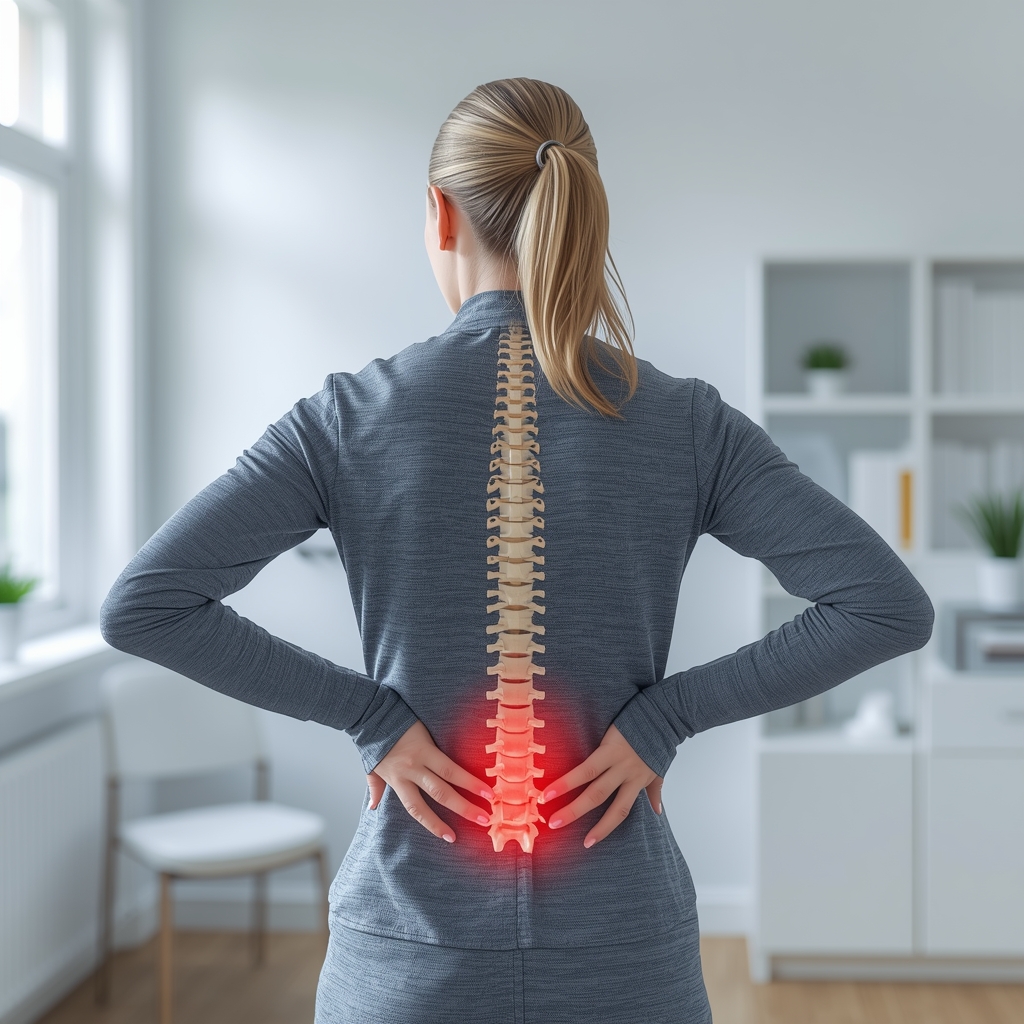
Introduction to Chiropractic Care in Auto Accident Recovery
Auto accidents can cause complex injuries beyond immediate pain, requiring long-term rehabilitation. Chiropractic care focuses on restoring musculoskeletal function, reducing inflammation, and promoting natural healing. Techniques like spinal adjustments, soft tissue work, and rehabilitative exercises address injuries to the neck, back, joints, and connective tissues. A personalized approach ensures care aligns with individual recovery goals, emphasizing non-invasive, drug-free solutions. Chiropractors often collaborate with other healthcare providers to create comprehensive recovery plans, prioritizing patient safety and long-term wellness.
Spinal Adjustments and Alignment
Spinal adjustments are foundational in treating auto accident injuries, particularly for misalignments (subluxations) caused by sudden trauma. By restoring proper spinal mechanics, these adjustments alleviate pressure on nerves, reduce pain, and improve mobility. Techniques like diversified thrusts or flexion-distraction are tailored to the patient’s condition, ensuring safety and effectiveness. Regular adjustments can prevent chronic issues by maintaining spinal stability and supporting the body’s innate healing processes. Patients often report improved posture and reduced discomfort, making this a cornerstone of long-term recovery strategies.
Soft Tissue Therapies for Muscle and Ligament Recovery
Auto accidents frequently strain muscles, ligaments, and tendons, leading to pain and restricted movement. Soft tissue therapies, such as Active Release Technique (ART) and myofascial release, target these areas to break down scar tissue, reduce inflammation, and restore flexibility. These methods enhance blood flow, accelerate healing, and prevent long-term stiffness. Chiropractors may combine these therapies with stretching exercises to optimize outcomes. By addressing both acute and residual soft tissue damage, patients experience greater functional recovery and a lower risk of re-injury, supporting sustained wellness after trauma.
Decompression Therapy for Spinal and Nerve Relief
Spinal decompression therapy is effective for injuries involving herniated discs, nerve compression, or spinal instability. This non-surgical technique uses controlled traction to relieve pressure on spinal nerves and discs, reducing pain and promoting healing. It is particularly beneficial for patients with lingering back or neck pain following an accident. Decompression can improve disc hydration, reduce inflammation, and enhance nerve function. When integrated with other chiropractic methods, it supports long-term recovery by addressing structural imbalances and preventing progressive degeneration, offering a viable alternative to invasive procedures.
Rehabilitation and Exercise Programs for Long-Term Recovery
Rehabilitation exercises are critical for rebuilding strength, flexibility, and coordination after auto accident injuries. Chiropractors design tailored programs that include corrective exercises, balance training, and posture correction to address functional limitations. These exercises help stabilize injured areas, prevent compensatory movement patterns, and reduce the risk of future injuries. Consistent participation in such programs enhances overall mobility and resilience. By combining physical therapy principles with chiropractic care, patients achieve sustainable recovery, restoring independence and quality of life through structured, progressive rehabilitation.
Holistic Approaches to Sustain Recovery and Prevent Relapse
Long-term recovery often benefits from holistic strategies that address the body’s overall well-being. Chiropractors may incorporate nutritional guidance, stress management techniques, and ergonomic advice to support healing and prevent relapse. Lifestyle adjustments, such as improved sleep habits or posture, complement manual therapies and exercises. Mind-body practices like yoga or meditation can further enhance recovery by reducing inflammation and promoting mental resilience. By adopting a comprehensive approach, patients foster lasting wellness, ensuring their bodies remain aligned and functional long after the initial injury has healed.












