
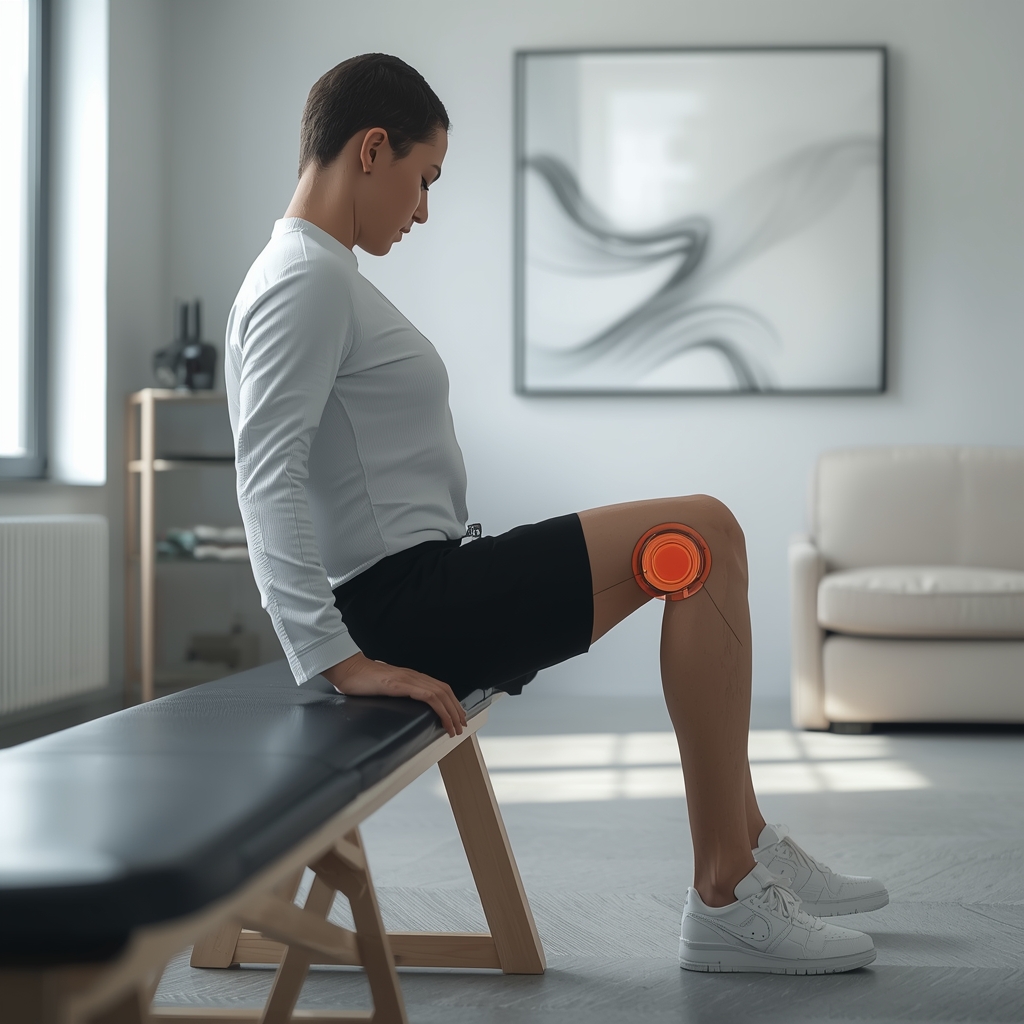
Understanding Patellar Tracking Issues in Athletes
Patellar tracking issues occur when the kneecap (patella) moves abnormally within the groove of the femur, often causing pain, instability, or discomfort during movement. Athletes, particularly those involved in high-impact sports like running, basketball, or soccer, are prone to these problems due to repetitive stress, muscle imbalances, or biomechanical irregularities. While traditional treatments focus on strengthening and bracing, chiropractic care offers complementary approaches to address underlying musculoskeletal misalignments. By focusing on joint mobility, soft tissue health, and neuromuscular function, chiropractors aim to restore proper patellar alignment and reduce symptoms. It’s important to note that individual results vary, and a qualified chiropractor can assess whether these techniques align with an athlete’s specific needs.
Active Release Technique (ART) for Patellar Alignment
Active Release Technique (ART) is a soft tissue therapy that targets adhesions and restrictions in muscles, tendons, and ligaments. For patellar tracking issues, ART can address tightness in the iliotibial band, quadriceps, or hamstrings, which may contribute to improper kneecap movement. By applying precise pressure while the patient moves the joint, chiropractors can break down scar tissue and restore normal function. This method is particularly beneficial for athletes experiencing pain from overuse or repetitive strain. While ART is not a standalone solution, it often complements other chiropractic interventions. A chiropractor may recommend a series of sessions tailored to the athlete’s condition, emphasizing the importance of a personalized treatment plan.
Spinal Adjustments and Pelvic Stability
Chiropractic adjustments to the spine and pelvis can indirectly influence patellar tracking by correcting biomechanical imbalances. Misalignments in the lumbar spine or sacroiliac joints may alter gait patterns or weight distribution, exacerbating knee instability. By restoring proper spinal curvature and pelvic alignment, chiropractors aim to improve overall movement efficiency. For athletes, this can reduce compensatory stresses on the knee joint. Techniques like diversified adjustments or flexion-distraction therapy are commonly used to address these issues. While the connection between spinal health and patellar function is complex, many athletes report improved stability and reduced pain after targeted adjustments. A chiropractor will evaluate the entire kinetic chain to determine the best approach.
Soft Tissue Therapy and Muscle Balance
Soft tissue therapies, such as myofascial release or trigger point therapy, help alleviate tension in muscles surrounding the knee, which can contribute to patellar misalignment. Overactive or shortened muscles, like the vastus lateralis, may pull the kneecap out of its groove, while weak quadriceps or hip abductors fail to provide adequate support. Chiropractors often combine these therapies with stretching and strengthening exercises to restore balance. For athletes, maintaining muscle symmetry is crucial for preventing recurrent issues. While these techniques are not a substitute for medical evaluation, they can enhance recovery when integrated into a broader care strategy. A chiropractor can guide patients on self-care practices to sustain progress between visits.
Corrective Exercises for Strengthening and Stability
Corrective exercises are a cornerstone of chiropractic care for patellar tracking issues, focusing on strengthening weak muscles and improving neuromuscular control. Exercises targeting the glutes, hamstrings, and core can stabilize the pelvis and reduce undue stress on the knee. Activities like clamshells, step-downs, or single-leg balances help retrain movement patterns. Chiropractors often prescribe these exercises as part of a rehabilitation plan, emphasizing proper form to avoid further strain. For athletes, consistency is key to long-term success. While these exercises are generally safe, a chiropractor can tailor the regimen to the individual’s sport and injury history, ensuring a gradual and effective recovery process.
Integrating Sports Chiropractic Care for Athletes
Sports chiropractic specializes in addressing the unique demands of athletes, combining traditional techniques with sport-specific rehabilitation. For patellar tracking issues, this approach may include gait analysis, movement assessments, and customized treatment plans. Chiropractors collaborate with other healthcare professionals to ensure a holistic strategy, focusing on both symptom relief and performance optimization. Techniques like kinesio taping or dry needling may also be incorporated to enhance recovery. Athletes are encouraged to prioritize regular check-ups to maintain joint health and prevent future injuries. While chiropractic care can be highly effective, it should always be part of a broader healthcare strategy. Consulting a licensed chiropractor is essential to determine the most appropriate interventions for individual needs.














