
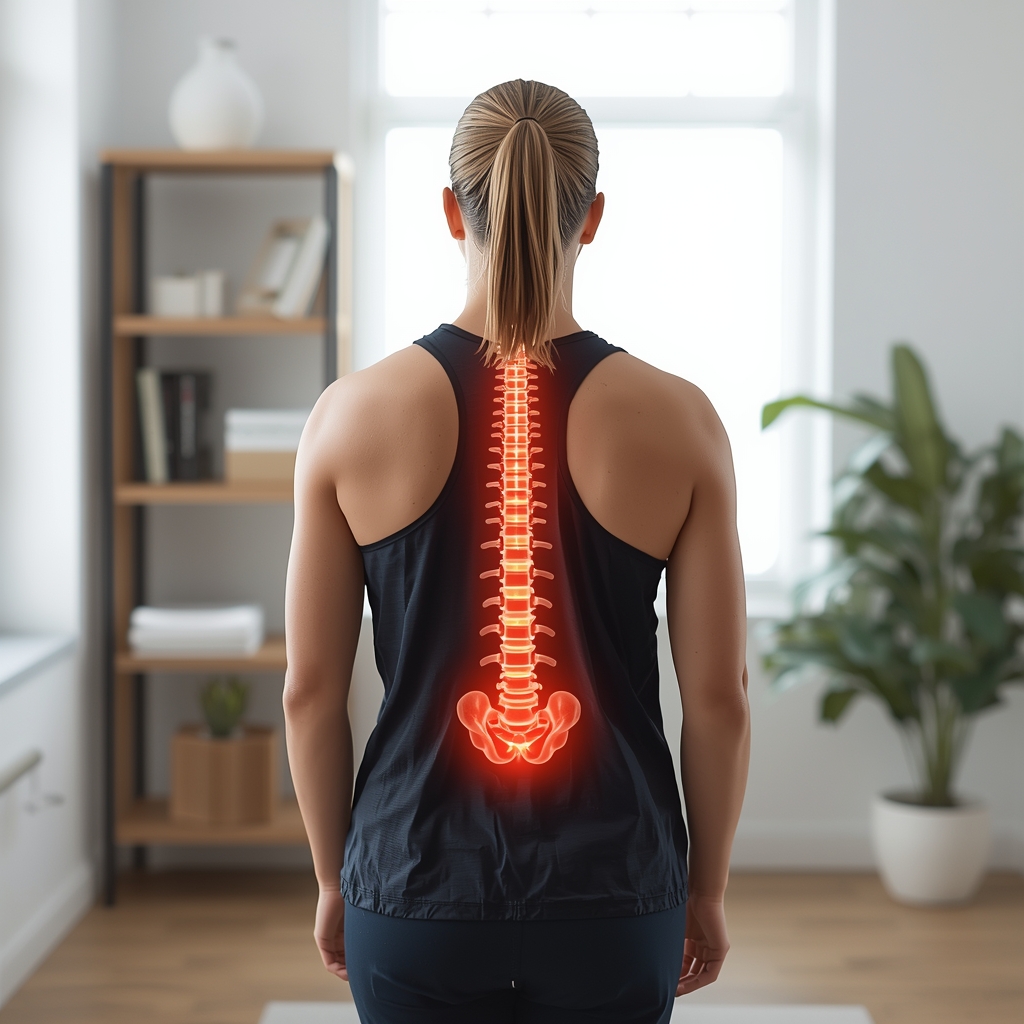
Understanding IT Band Syndrome in Runners
Iliotibial band syndrome (ITBS) is a common overuse injury among runners, causing pain on the outer knee or hip due to friction of the IT band over bony structures. Repetitive motion, poor biomechanics, or muscle imbalances often contribute to this condition. While rest and ice may provide temporary relief, long-term solutions require addressing underlying musculoskeletal issues. Chiropractic care offers targeted techniques to reduce inflammation, improve mobility, and restore balance to the kinetic chain. By focusing on the hip, pelvis, and lower extremities, chiropractors help alleviate pressure on the IT band, enabling runners to return to activity with fewer setbacks. This approach complements traditional treatments by addressing root causes rather than just symptoms.
Active Release Technique (ART) for IT Band Relief
Active Release Technique (ART) is a soft tissue therapy that targets adhesions and tightness in the IT band and surrounding muscles. Chiropractors use their hands to apply pressure while the patient moves, breaking up scar tissue and restoring normal function. This method is particularly effective for runners with ITBS, as it reduces tension along the band and improves flexibility. ART also addresses related muscles like the glutes and hamstrings, which may contribute to IT band strain. By restoring proper tissue mobility, ART can decrease pain and prevent future flare-ups. Many runners report noticeable improvements after a few sessions, making it a popular choice for those seeking non-invasive, drug-free care.
Graston Technique and Instrument-Assisted Soft Tissue Mobilization
The Graston Technique uses specialized tools to detect and treat soft tissue restrictions in the IT band and surrounding areas. By applying controlled pressure, chiropractors can break down scar tissue and promote healing. This method is especially useful for chronic ITBS cases where traditional massage may not reach deeper layers of tension. Instrument-assisted mobilization enhances blood flow and accelerates recovery, helping runners regain range of motion. When combined with ART, Graston can provide a more comprehensive approach to soft tissue repair. Runners often find this technique beneficial for reducing stiffness and improving overall performance, making it a valuable tool in injury prevention and management.
Soft Tissue Therapy and Myofascial Release
Soft tissue therapy, including myofascial release, focuses on easing tension in the IT band and adjacent muscles like the tensor fasciae latae and gluteus maximus. Chiropractors use manual pressure or specialized tools to stretch and relax tight fascia, reducing friction and pain. This approach is ideal for runners with chronic ITBS, as it addresses both surface and deep tissue restrictions. Myofascial release also encourages better alignment of the pelvis and hips, which can alleviate strain on the IT band. By integrating these techniques into a treatment plan, chiropractors help runners achieve lasting relief. The therapy is often paired with stretching routines to maintain flexibility and prevent recurrence.
Complementing Chiropractic Care with Strengthening Exercises
Chiropractic techniques for ITBS work best when paired with targeted strengthening exercises. Weakness in the hip abductors, glutes, or core muscles can exacerbate IT band strain, so building muscular support is crucial. Chiropractors often recommend exercises like clamshells, side-lying leg lifts, and single-leg squats to improve stability and reduce overcompensation. These movements help distribute forces more evenly during running, lessening pressure on the IT band. By combining manual therapy with progressive strength training, runners can address both flexibility and muscular imbalances. This dual approach not only eases current pain but also lowers the risk of future injuries, supporting long-term athletic performance.
A Holistic Approach to IT Band Pain Management
Effective ITBS management requires a multifaceted strategy that integrates chiropractic care, soft tissue therapy, and exercise. Chiropractors assess biomechanics, identify contributing factors, and create personalized plans to restore balance. Techniques like ART, Graston, and myofascial release provide immediate relief, while strengthening exercises build resilience. Runners are encouraged to maintain open communication with their chiropractor to adjust treatments as needed. This collaborative approach ensures that both acute symptoms and underlying issues are addressed. By embracing a holistic perspective, runners can recover more fully and reduce the likelihood of recurring pain, allowing them to stay active and injury-free.














