
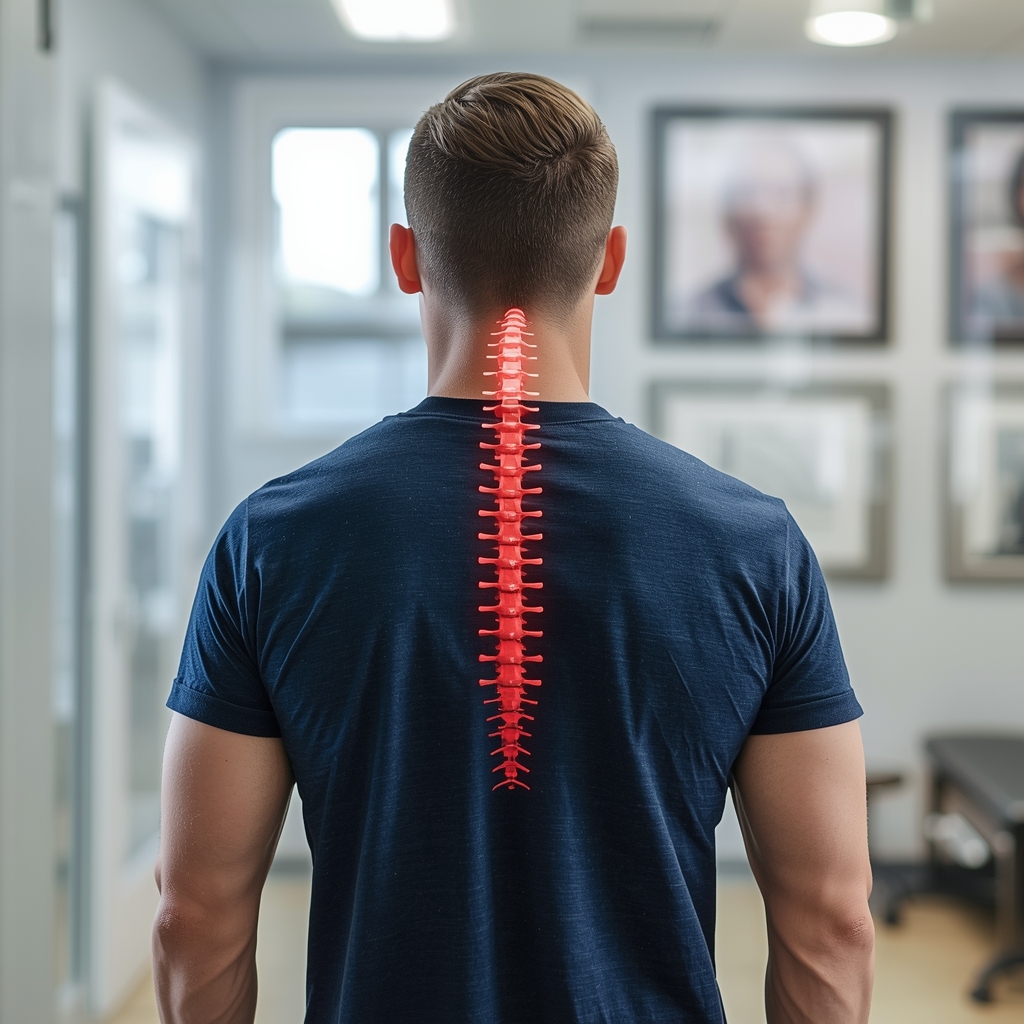
Understanding Thoracic Outlet Syndrome in Athletes
Thoracic Outlet Syndrome (TOS) occurs when nerves or blood vessels in the thoracic outlet—between the neck and shoulder—are compressed. Athletes, particularly those with repetitive motions (e.g., swimmers, baseball pitchers, weightlifters), are prone to TOS due to overuse, poor posture, or muscular imbalances. Symptoms include arm pain, numbness, and weakness, which can hinder performance. Early recognition is critical, as untreated TOS may lead to chronic discomfort. Chiropractic care offers non-invasive strategies to address root causes, such as spinal misalignments or soft tissue restrictions. Athletes should prioritize regular check-ups to prevent progression and maintain optimal function. A chiropractor can assess individual risk factors and recommend tailored interventions.
Spinal Adjustments for Nerve and Vascular Relief
Spinal adjustments, a cornerstone of chiropractic care, aim to correct misalignments in the cervical and thoracic spine that contribute to TOS. By restoring proper joint mobility, these adjustments can alleviate pressure on nerves and blood vessels. For athletes, this may reduce symptoms like tingling or reduced circulation in the arms. Techniques vary, but the goal is to improve biomechanics and support the body’s natural healing processes. While adjustments are generally safe, they should be performed by a licensed professional to avoid complications. Athletes experiencing persistent TOS symptoms should consult a chiropractor to explore how spinal care might complement their recovery plan.
Soft Tissue Techniques to Alleviate Compression
Soft tissue therapies, such as Active Release Technique (ART) and Graston Technique, target tight muscles and fascia that may compress nerves or blood vessels in the thoracic outlet. These methods help break down adhesions and restore normal tissue function, which is especially beneficial for athletes with repetitive strain injuries. By improving muscle flexibility and reducing tension, these techniques can enhance blood flow and nerve signaling. Chiropractors often integrate soft tissue work with spinal adjustments for comprehensive care. Athletes should discuss these options with their provider to determine if they align with their specific condition and goals.
Postural Correction and Ergonomic Adjustments
Poor posture, common in athletes due to sport-specific demands, can exacerbate TOS by altering the alignment of the neck and shoulders. Chiropractors may recommend postural retraining exercises and ergonomic modifications to reduce strain on the thoracic outlet. For example, adjusting equipment or sleep positions can minimize pressure on affected areas. Athletes might also benefit from core strengthening to support better posture during movement. These strategies, when combined with other chiropractic interventions, can help prevent recurrence. A personalized plan from a qualified provider ensures safe and effective implementation.
Rehabilitation Exercises for Long-Term Recovery
Customized rehabilitation exercises play a key role in managing TOS by strengthening weak muscles and improving flexibility. Chiropractors often prescribe stretches and low-impact movements to relieve compression and enhance range of motion. For athletes, these exercises may focus on the neck, shoulders, and upper back to address sport-specific stressors. Consistency is vital, as gradual progress helps rebuild resilience without overloading the body. However, exercises should be tailored to individual needs to avoid aggravating symptoms. Athletes are encouraged to work closely with their chiropractor to design a program that supports both recovery and performance goals.
Integrative Approaches for Comprehensive Care
Chiropractic care for TOS often integrates with other therapies, such as physical therapy, massage, or anti-inflammatory strategies, to address multiple aspects of the condition. For athletes, this holistic approach can optimize recovery while minimizing downtime. Chiropractors may collaborate with other healthcare providers to create a cohesive treatment plan. It’s essential to communicate openly with all professionals involved to ensure compatibility and safety. While no single method guarantees results, combining evidence-based practices can enhance outcomes. Athletes should view chiropractic care as part of a broader strategy, guided by qualified experts to achieve lasting relief.














