
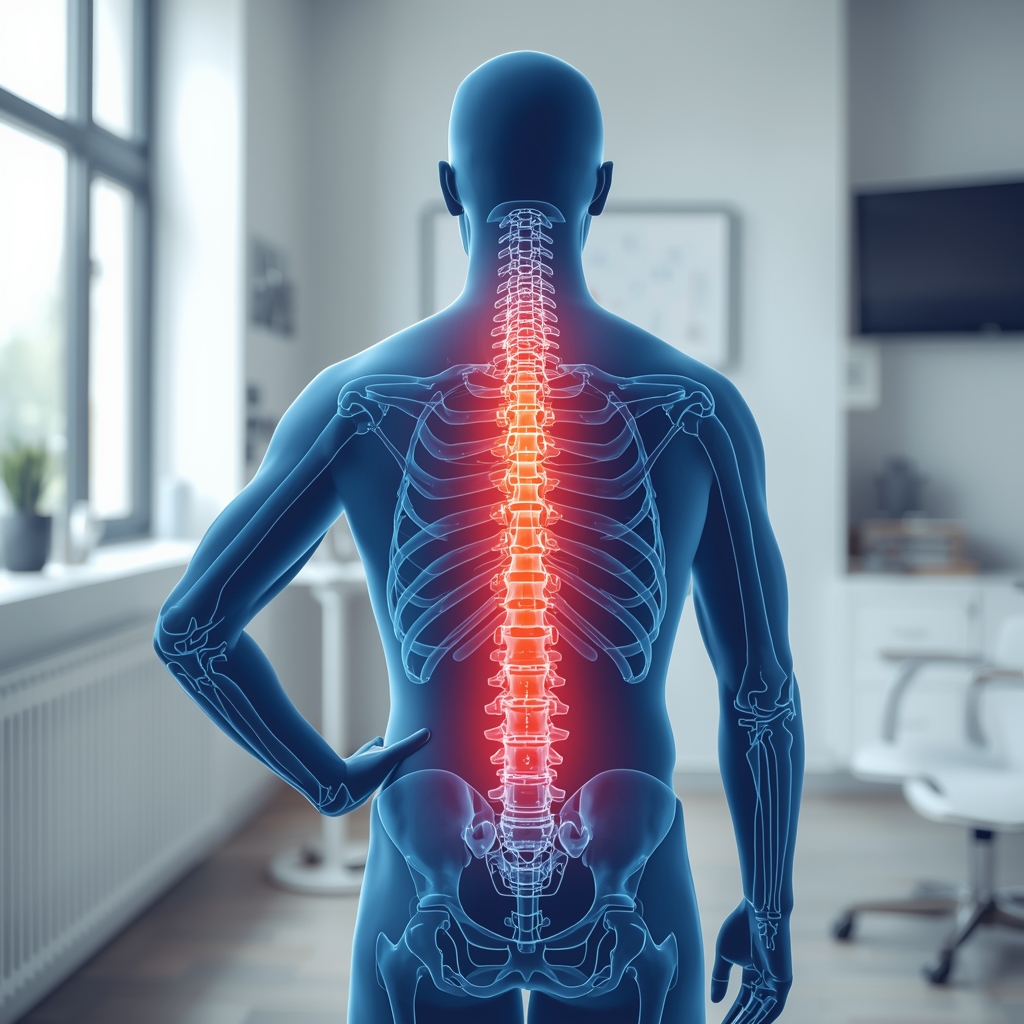
Understanding Joint Mechanics
Spinal manipulation involves applying controlled force to specific joints to restore proper movement. Biomechanically, this addresses misalignments (subluxations) that may compress nerves. When vertebrae shift out of their natural position, they can irritate surrounding nerves, leading to pain or dysfunction. Adjustments aim to realign these joints, reducing mechanical stress on nerve structures. This process also enhances joint play—the small, involuntary movements between bones that support flexibility. By improving joint mechanics, spinal manipulation can alleviate pressure on nerves, promoting better function and reducing discomfort. However, the exact mechanisms remain an area of ongoing research, with practitioners emphasizing individualized assessments to ensure safe, effective care.
Alignment and Posture Correction
Proper spinal alignment is crucial for preventing nerve compression. Poor posture, such as slouching or forward head positioning, can alter the spine’s natural curves, increasing pressure on spinal nerves. Chiropractic adjustments work to restore these curves, reducing abnormal stress on nerve pathways. For example, correcting a misaligned cervical vertebra may relieve compression on the spinal cord or exiting nerves, improving signal transmission. This biomechanical correction also supports overall musculoskeletal balance, as aligned joints distribute forces more evenly. While alignment alone doesn’t guarantee nerve decompression, it creates a foundation for optimal nervous system function. Patients often report relief from symptoms like radiating pain or tingling after adjustments, though outcomes vary based on individual anatomy and condition severity.
Soft Tissue Dynamics
Spinal manipulation influences not only bones but also surrounding soft tissues, such as muscles, ligaments, and fascia. When joints are restricted, adjacent muscles may tighten, contributing to nerve compression through increased tension. Adjustments can relax these tissues, reducing mechanical pressure on nerves. For instance, a restricted thoracic vertebra might cause adjacent muscles to spasm, indirectly compressing spinal nerves. By restoring joint mobility, chiropractors help normalize soft tissue tension, allowing nerves to function without undue restriction. This interplay between bone and soft tissue highlights the holistic nature of biomechanical interventions. However, soft tissue changes often require repeated adjustments and complementary therapies, as chronic tightness may take time to resolve.
Facet Joint Mobility
Facet joints, located between vertebrae, play a key role in spinal stability and movement. When these joints become hypomobile (stiff), they can contribute to nerve compression by altering spinal mechanics. Spinal manipulation targets these joints to improve their range of motion, reducing abnormal pressure on nearby nerves. For example, a stiff lumbar facet joint might impinge on a spinal nerve root, causing lower back or leg pain. Adjustments restore normal joint function, allowing for smoother movement and decreased irritation. This process also encourages proper load distribution across the spine, minimizing stress on individual nerves. While facet joint mobility is a critical factor, chiropractors consider the entire spinal structure to ensure comprehensive care.
Joint Play and Neural Tension
Joint play refers to the small, passive movements between spinal joints that support overall mobility. When joint play is restricted, it can increase neural tension—stress on nerves due to abnormal stretching or compression. Spinal manipulation aims to reestablish this subtle movement, reducing mechanical strain on nerves. For instance, restricted joint play in the cervical spine may cause the brachial plexus (a network of nerves) to become overly stretched, leading to arm pain or numbness. By improving joint play, adjustments help nerves move freely within their anatomical pathways. This biomechanical approach complements other therapies, such as stretching or soft tissue work, to address nerve-related symptoms. However, the relationship between joint play and nerve function is complex and requires professional evaluation.
Biomechanical Precision in Adjustments
The effectiveness of spinal manipulation depends on precise application of force and direction. Chiropractors use specific techniques to target areas of restriction, ensuring adjustments are both safe and effective. This precision minimizes the risk of overloading joints or irritating nerves. For example, a high-velocity, low-amplitude thrust is commonly used to realign vertebrae, while softer techniques may suit patients with fragile tissues. Biomechanical principles guide these decisions, as improper force can worsen nerve compression or cause injury. Practitioners also consider patient anatomy, such as bone density or prior injuries, to tailor adjustments. While biomechanical science provides a framework, individual responses vary, underscoring the importance of professional guidance. Patients should always consult a licensed chiropractor to discuss their unique needs.














