
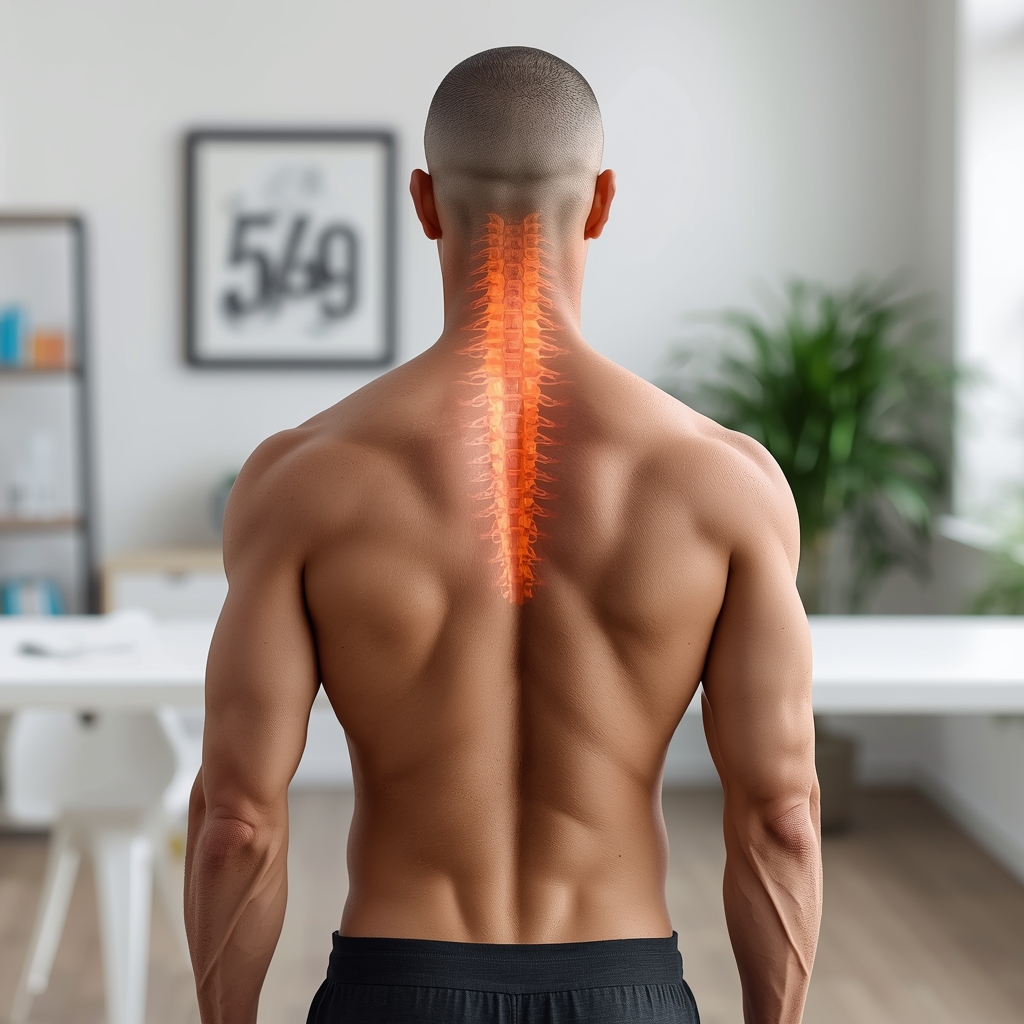
Understanding Rotator Cuff Tendinopathy in Athletes
Chronic rotator cuff tendinopathy is a common issue among athletes, often caused by repetitive overhead motions or overuse. This condition involves degeneration of the tendons in the shoulder, leading to pain, reduced range of motion, and difficulty performing athletic activities. Athletes may experience persistent discomfort that doesn’t respond to rest or basic treatments. The shoulder’s complexity makes it vulnerable to soft tissue imbalances, requiring targeted interventions. While traditional methods like physical therapy and anti-inflammatory medications are often used, many seek alternative approaches for long-term relief. Active Release Technique (ART) has emerged as a promising option, focusing on soft tissue repair and mobility restoration. Understanding how ART addresses these challenges is essential for athletes looking to maintain performance and avoid chronic setbacks.
How ART Addresses Soft Tissue Imbalances
Active Release Technique (ART) is a hands-on therapy that targets soft tissue restrictions, such as adhesions and scar tissue, which contribute to pain and limited movement. For rotator cuff tendinopathy, ART focuses on the muscles and tendons surrounding the shoulder joint, including the supraspinatus, infraspinatus, and subscapularis. By applying precise pressure while the patient moves, ART helps break down scar tissue and restore normal function. This approach can reduce inflammation, improve circulation, and enhance tissue elasticity. Athletes often benefit from ART’s ability to address both the symptoms and underlying causes of chronic tendinopathy. The technique is particularly effective for restoring mobility without invasive procedures, making it a popular choice for those seeking non-surgical solutions. However, results depend on the practitioner’s skill and the patient’s commitment to follow-up care.
Key ART Protocols for Chronic Cases
For chronic rotator cuff tendinopathy, specific ART protocols focus on restoring balance to the shoulder’s musculature. Techniques like myofascial release and muscle energy adjustments are commonly used to alleviate tension in overworked muscles and improve joint mechanics. Practitioners may also target the subscapularis and teres minor to address imbalances that contribute to shoulder instability. A critical component is identifying and treating adhesions in the supraspinatus tendon, which often restricts movement and causes pain. ART sessions typically involve a combination of palpation, movement, and pressure to release restrictions. Athletes may require multiple sessions to achieve lasting results, as chronic conditions often involve deep-seated tissue changes. The goal is to create a pain-free range of motion while strengthening the shoulder’s stabilizing structures. Consistency and personalized care are key to maximizing ART’s effectiveness for long-term recovery.
Integrating ART with Rehabilitation Strategies
ART is most effective when combined with rehabilitation exercises that strengthen the shoulder’s stabilizing muscles. Athletes often benefit from a tailored program that includes resistance training, proprioceptive exercises, and flexibility routines. These activities help maintain the improvements achieved through ART and prevent future injuries. For example, exercises targeting the rotator cuff muscles can enhance joint stability, while stretching routines improve overall mobility. A chiropractor may also recommend modifying training techniques to reduce strain on the shoulder. This holistic approach ensures that the shoulder remains resilient during athletic activities. Additionally, incorporating low-impact cross-training, such as swimming or cycling, can maintain fitness without aggravating the condition. By addressing both soft tissue and muscular imbalances, athletes can return to their sport with reduced risk of re-injury. Regular follow-ups with a healthcare provider are essential to monitor progress and adjust the plan as needed.
Considerations for Athletes Using ART
While ART offers significant benefits, athletes should consider several factors before pursuing this treatment. The effectiveness of ART depends on the practitioner’s expertise and the individual’s adherence to follow-up care. Athletes with severe rotator cuff tears or advanced degeneration may require additional interventions, such as imaging or specialist consultations. It’s important to communicate openly with a chiropractor about the injury’s history and current symptoms to ensure a safe and effective treatment plan. Some athletes may experience temporary discomfort during or after sessions, which is typically manageable with rest and ice. Consistency is crucial, as chronic conditions often require multiple sessions over weeks or months. Athletes should also be aware that ART is not a standalone solution but part of a broader care strategy. Combining it with other therapies, like physical therapy or ergonomic adjustments, can optimize outcomes. Ultimately, working with a qualified provider ensures the best possible results for long-term shoulder health.
Conclusion: A Holistic Approach to Recovery
Chronic rotator cuff tendinopathy poses unique challenges for athletes, requiring a multifaceted approach to treatment. Active Release Technique (ART) offers a targeted solution by addressing soft tissue restrictions and restoring mobility. When combined with rehabilitation strategies, ART can help athletes regain function and reduce pain. However, success depends on personalized care and a commitment to ongoing management. Athletes should consult with a qualified chiropractor to determine the most appropriate protocols for their specific condition. While ART is not a substitute for medical evaluation, it can complement traditional treatments and support long-term recovery. By prioritizing soft tissue health and functional movement, athletes can minimize setbacks and maintain peak performance. Ultimately, a collaborative approach between the patient and healthcare provider is essential for achieving lasting results and preventing future injuries.













