
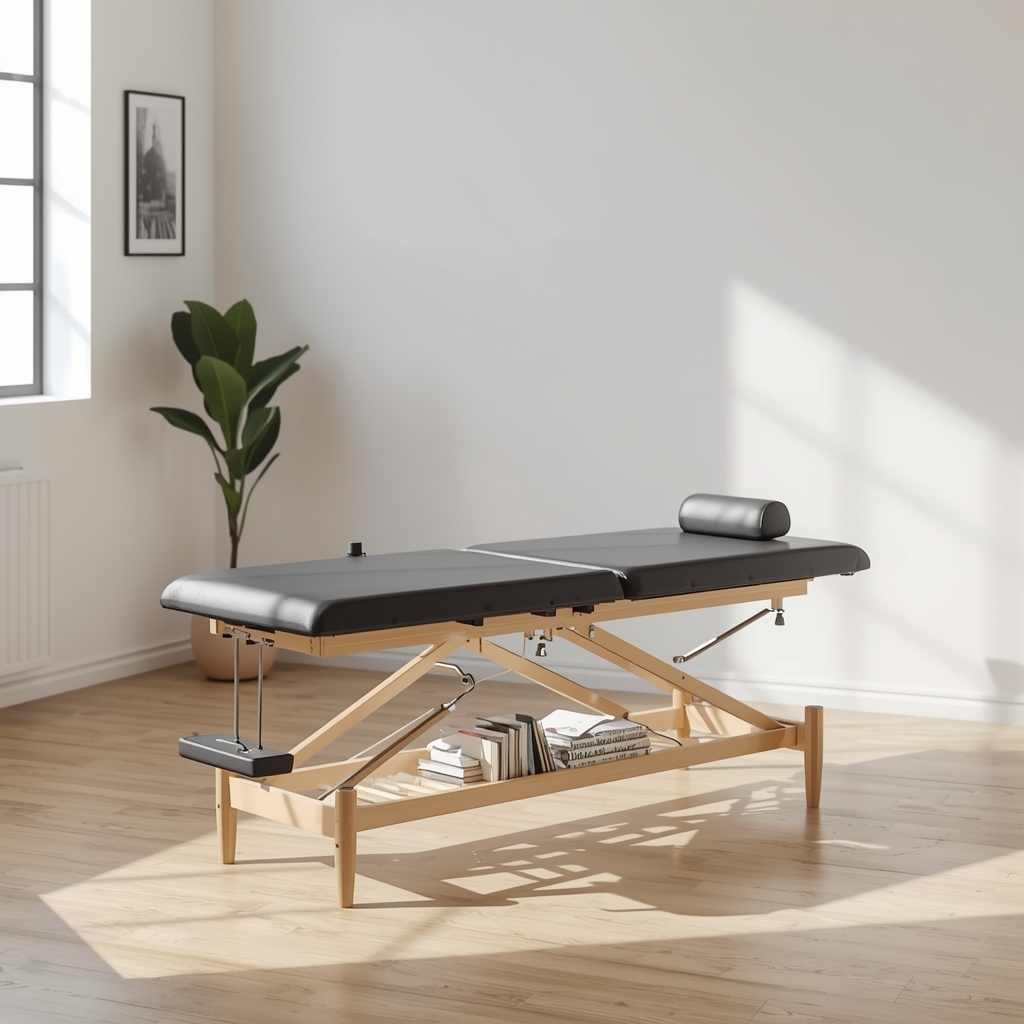
Adjustability and Customization
High-quality spinal adjusting tables prioritize adjustability to accommodate diverse patient needs and treatment techniques. Key features include height adjustment, allowing practitioners to customize the table to their own ergonomic comfort while treating patients of varying sizes. Sectioning capabilities—such as split tables or removable sections—enable targeted adjustments for specific spinal regions, enhancing precision. Padding materials should balance comfort and support, with options for thickness and firmness to suit individual preferences. Tables designed for versatility often include modular components, such as adjustable headrests or footrests, ensuring adaptability for conditions like scoliosis or posture-related issues. By prioritizing customization, chiropractors can deliver more effective, patient-centered care while reducing strain on their own bodies during prolonged sessions.
Durability and Build Quality
Durability is critical for chiropractic tables, as they endure frequent use and require long-term reliability. High-quality models are typically constructed from reinforced steel, solid wood, or high-density composite materials, ensuring stability during adjustments. The frame should resist wear and tear, with attention to joints, hinges, and moving parts that may experience stress. A robust tabletop surface, often made of impact-resistant laminate or medical-grade plastic, prevents damage from repeated use. Additionally, weight capacity specifications should align with the practice’s patient volume and body types. Tables with a sturdy base and non-slip feet enhance safety and prevent movement during adjustments. Investing in a durable table reduces long-term maintenance costs and ensures consistent performance, supporting both practitioner efficiency and patient comfort.
Ergonomic Design for Practitioners
Ergonomic considerations are essential for both patients and chiropractors, as prolonged use of an ill-designed table can lead to practitioner fatigue or injury. Look for tables with adjustable height settings to minimize bending or reaching, promoting proper body mechanics. Features like smooth-rolling casters or movable platforms reduce the need for excessive lifting, while integrated handles or grip points improve maneuverability. Some tables include built-in support for the practitioner’s posture, such as adjustable backrests or footrests. Additionally, lightweight yet sturdy designs allow for easy repositioning between patients. By prioritizing ergonomic design, practices can enhance workflow efficiency, reduce the risk of musculoskeletal strain, and create a more sustainable environment for both providers and patients.
Compatibility with Adjustment Techniques
The table’s design should align with the specific adjustment techniques used in the practice. For example, tables with drop-away sections are ideal for diversified or activator methods, allowing for controlled, precise movements. Others may feature specialized attachments, such as traction devices or decompression systems, to support conditions like herniated discs. Flexibility in positioning—such as adjustable angles for cervical or lumbar adjustments—ensures the table can adapt to various therapeutic approaches. Some models include built-in tools or mounting points for additional equipment, streamlining the treatment process. By selecting a table that integrates seamlessly with the practice’s preferred methods, chiropractors can enhance treatment effectiveness and patient outcomes while maintaining a cohesive, efficient workflow.
Ease of Maintenance and Hygiene
Hygiene and maintenance are critical for patient safety and practice efficiency. High-quality tables often feature removable, washable covers or surfaces that resist stains and bacterial growth. Non-porous materials, such as medical-grade vinyl or antimicrobial laminates, simplify cleaning and reduce cross-contamination risks. Tables with sealed joints and minimal crevices prevent debris buildup, making them easier to sanitize between patients. Additionally, features like quick-release mechanisms for padding or adjustable components allow for thorough cleaning. Practices should also consider the table’s resistance to moisture and chemicals, ensuring it withstands frequent disinfection. Prioritizing ease of maintenance supports a clean, professional environment while adhering to health and safety standards.
Safety Features and Stability
Safety is paramount when selecting a spinal adjusting table, as instability or design flaws can lead to accidents. Look for tables with a wide, weighted base to prevent tipping during adjustments. Locking mechanisms on casters or movable sections ensure the table remains secure during treatment. Reinforced joints and sturdy construction minimize the risk of structural failure, while non-slip padding prevents patient movement. Some models include emergency stop features or adjustable height limits to prevent overextension. Additionally, tables designed with clear weight capacity guidelines help avoid overloading. By prioritizing safety features, practices can protect both patients and practitioners, fostering trust and ensuring a secure environment for all treatments.














