
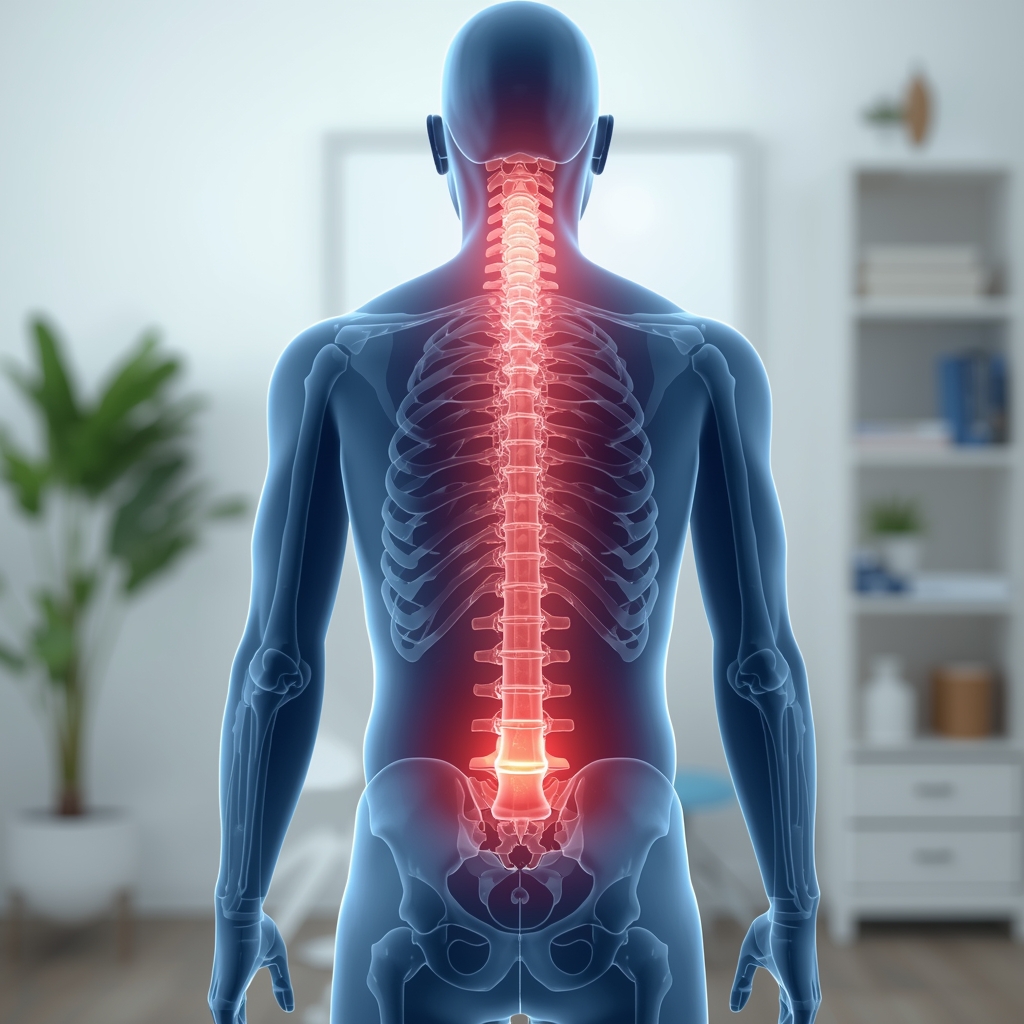
Understanding Severe Degenerative Disc Disease in the Lumbar Spine
Severe degenerative disc disease (DDD) in the lumbar spine involves the progressive deterioration of intervertebral discs, leading to pain, reduced mobility, and nerve compression. This condition often results from age-related wear and tear, trauma, or repetitive strain. While surgery is an option for extreme cases, many patients seek non-surgical chiropractic care to manage symptoms and improve quality of life. Non-surgical interventions focus on alleviating pain, restoring function, and slowing disease progression through targeted therapies. Understanding these approaches requires an overview of evidence-based methods that address both structural and symptomatic aspects of DDD.
Spinal Adjustments and Joint Mobilization
Spinal adjustments, a cornerstone of chiropractic care, aim to restore proper alignment and mobility to the spine. For severe DDD, these techniques can reduce pressure on affected discs and nerves, potentially easing pain and improving range of motion. Joint mobilization, a gentler form of adjustment, may also be used to enhance flexibility in stiff or restricted areas. While adjustments cannot reverse disc degeneration, they may help manage associated symptoms by optimizing spinal mechanics. Patients often report reduced discomfort and improved function after consistent care, though results vary based on individual conditions and treatment plans.
Decompression Therapy for Disc Pressure Relief
Spinal decompression therapy uses mechanical traction to gently stretch the spine, creating negative pressure within the discs. This technique may help reposition bulging or herniated discs and alleviate nerve compression. For severe DDD, decompression can reduce pain caused by compressed spinal nerves and promote disc hydration. Studies suggest it may be particularly effective for patients with radicular pain (pain radiating along nerves). While not a cure, decompression therapy is often part of a multi-modal approach, combining with other therapies to enhance outcomes. A chiropractor can determine if this method suits a patient’s specific condition and severity.
Soft Tissue Techniques and Myofascial Release
Soft tissue therapies, such as Active Release Technique (ART) or Graston Technique, target muscle tension and fascial restrictions that may exacerbate DDD symptoms. These methods address compensatory patterns where surrounding muscles tighten to protect the affected disc, leading to additional pain and stiffness. Myofascial release, another approach, uses sustained pressure to relieve tension in the connective tissue. By reducing muscle spasms and improving blood flow, these techniques can support spinal stability and decrease discomfort. They are often used alongside spinal adjustments to create a more comprehensive treatment plan for chronic disc-related issues.
Exercise and Rehabilitation Programs
Customized exercise programs play a critical role in managing severe DDD by strengthening core muscles, improving posture, and enhancing spinal stability. Chiropractors may recommend corrective exercises, such as pelvic tilts or McKenzie maneuvers, to reduce disc pressure and promote healing. Physical therapy integration can further tailor these exercises to individual needs, focusing on flexibility, endurance, and functional mobility. Regular participation in these programs may slow disease progression and prevent secondary complications. However, patients should work closely with their chiropractor to ensure exercises are safe and appropriate for their condition, avoiding movements that could worsen symptoms.
Lifestyle Modifications and Preventive Strategies
Lifestyle changes are essential for long-term management of severe DDD. Ergonomic adjustments, such as proper sitting posture and supportive bedding, can reduce spinal strain. Weight management and avoiding high-impact activities also help minimize disc pressure. Stress reduction techniques, like mindfulness or yoga, may indirectly benefit spinal health by reducing muscle tension. Chiropractors often guide patients in adopting these strategies to complement clinical treatments. While non-surgical interventions cannot reverse disc degeneration, a holistic approach can significantly improve comfort and functionality, empowering patients to take an active role in their care.













