
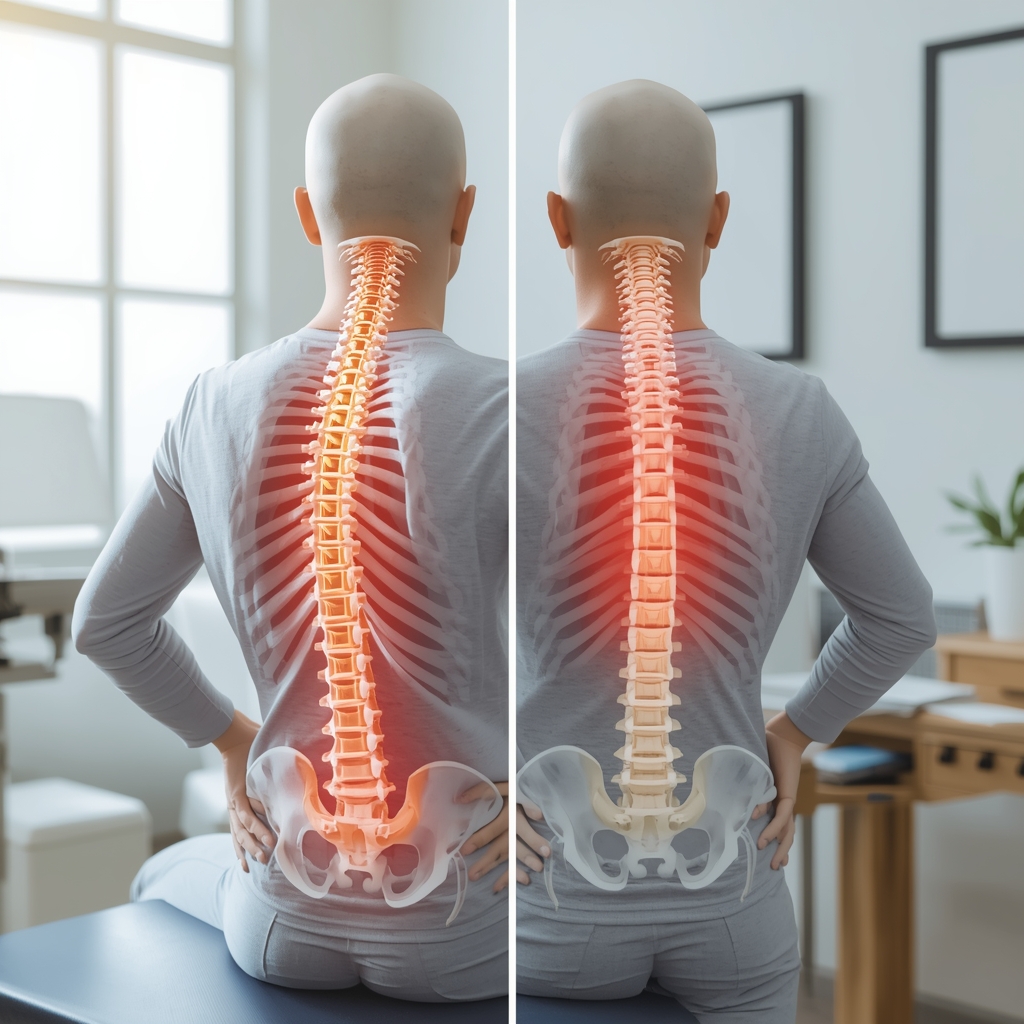
Understanding Spinal Anatomy: Cervical vs. Lumbar Regions
The human spine is divided into distinct regions, each with unique structural and functional characteristics. The cervical spine, located in the neck, consists of seven vertebrae (C1-C7), while the lumbar spine, in the lower back, has five vertebrae (L1-L5). These regions differ significantly in size, mobility, and biomechanical demands. The cervical spine prioritizes flexibility to support head movement, whereas the lumbar spine emphasizes stability to bear the body’s weight. These anatomical differences directly influence how chiropractors approach adjustments, as techniques must align with the specific needs of each region. Understanding these distinctions is critical for safe, effective care.
Cervical Spine: Mobility and Delicate Structure
The cervical spine is the most mobile segment of the spine, enabling a wide range of motion, including flexion, extension, and rotation. Its vertebrae are smaller and have unique features, such as the atlas (C1) and axis (C2), which facilitate head movement. The cervical spine also contains the vertebral foramina, which house the spinal cord and vertebral arteries. Due to its complexity and proximity to the brainstem, adjustments here require precision to avoid complications. Chiropractors often use gentle, low-force techniques like diversified or activator methods to address misalignments without risking injury to the delicate structures in this region.
Lumbar Spine: Strength and Weight-Bearing Function
The lumbar spine is designed for strength and stability, supporting the upper body’s weight and facilitating movements like bending and twisting. Its vertebrae are larger and more robust, with thick intervertebral discs that absorb shock. The lumbar region also has a natural lordotic curve, which contributes to its load-bearing capacity. However, this area is prone to strain due to its heavy workload. Chiropractic adjustments here often involve higher-velocity, low-amplitude thrusts to correct subluxations, though techniques are tailored to the patient’s condition. The focus is on restoring proper alignment while minimizing stress on the surrounding muscles and ligaments.
Biomechanical Differences and Adjustment Implications
The biomechanics of the cervical and lumbar spines dictate the approaches used in chiropractic care. The cervical spine’s smaller size and greater range of motion necessitate adjustments that are more nuanced, often requiring specialized tools or manual techniques. In contrast, the lumbar spine’s larger structure allows for more forceful manipulations, though caution is still essential to prevent overcorrection. The discs in the lumbar region are thicker and more prone to herniation, influencing the choice of adjustment methods. Chiropractors must consider these biomechanical factors to ensure treatments are both effective and safe, avoiding techniques that could exacerbate existing issues.
Chiropractic Techniques for Cervical and Lumbar Adjustments
Chiropractors employ a variety of techniques to address cervical and lumbar spine concerns, adapting methods to the region’s anatomy. For the cervical spine, techniques like the Gonstead method or soft tissue therapy may be used to relieve tension and improve mobility. Lumbar adjustments often involve diversified thrusts or flexion-distraction to decompress discs and alleviate pressure. Instrument-assisted techniques, such as the Activator, are also common for both regions, offering a gentler alternative. The choice of method depends on the patient’s specific condition, comfort level, and the chiropractor’s expertise, ensuring personalized care that aligns with the spine’s unique characteristics.
Clinical Considerations for Spinal Adjustments
When addressing cervical and lumbar spine issues, chiropractors must consider individual patient factors, such as age, medical history, and symptom severity. For example, patients with osteoporosis may require modified techniques to protect bone integrity, while those with acute injuries might need a more conservative approach. The cervical spine’s proximity to the nervous system demands extra vigilance, whereas the lumbar spine’s size allows for more varied interventions. Regular assessments and open communication between patient and provider are essential to refine treatment plans. Ultimately, the goal is to restore balance and function while prioritizing safety and long-term spinal health.













