
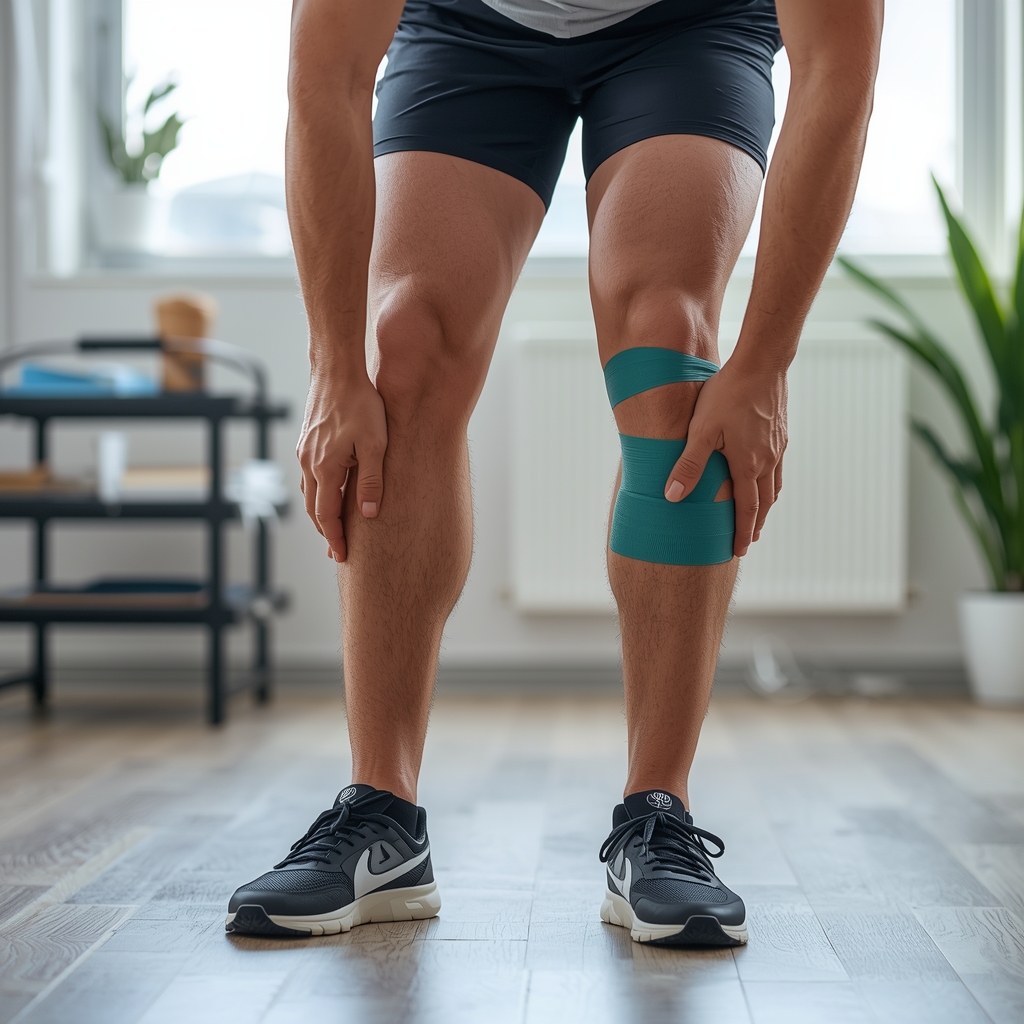
Understanding Patellar Tracking Issues in Athletes
Patellar tracking issues occur when the kneecap (patella) moves improperly over the femur, often causing pain, instability, or discomfort during physical activity. Athletes, particularly those involved in running, jumping, or pivoting sports, are prone to this condition due to repetitive stress, muscle imbalances, or biomechanical factors. Common symptoms include pain around or behind the kneecap, a popping sensation, and difficulty with activities like climbing stairs. While treatment often involves strengthening exercises and physical therapy, kinesio taping is a popular supportive technique used to alleviate symptoms and improve function. Understanding its role requires exploring specific application methods tailored to this issue.
The Role of Kinesio Taping in Patellar Support
Kinesio taping is a therapeutic technique that uses elastic adhesive tape to support muscles, joints, and ligaments while allowing full range of motion. For patellar tracking issues, the tape is applied to the knee to provide proprioceptive feedback, reduce pain, and guide the kneecap into a more stable position. The tape’s elasticity mimics the skin’s movement, promoting circulation and reducing swelling. It is often used alongside other interventions like strength training or orthotics. While not a standalone solution, kinesio taping can enhance recovery by offering real-time support during athletic activities. Its non-invasive nature makes it a popular choice for athletes seeking to manage symptoms without surgical or pharmacological interventions.
Key Kinesio Taping Techniques for Patellar Alignment
Several kinesio taping techniques are commonly used to address patellar tracking issues. The “I” strip technique involves applying a strip of tape vertically along the quadriceps to stabilize the kneecap. Another method, the “Y” strip, targets the vastus medialis oblique (VMO) muscle to improve medial support. A “X” strip may be used to reduce swelling by applying tape in a cross pattern over the knee. Additionally, a “fan” technique can be employed to lift the skin and reduce pressure on the patella. Each method aims to correct misalignment, ease pain, and enhance joint mechanics. Proper application is critical, as incorrect placement may exacerbate the issue or fail to provide benefits.
Proper Application and Maintenance of the Tape
Applying kinesio tape for patellar tracking requires attention to detail. The skin should be clean, dry, and free of oils or lotions to ensure adhesion. The athlete should be in a relaxed position, and the tape is stretched slightly before applying it to the desired area. For optimal results, the tape should be applied with light tension while the muscle is in a neutral position. After application, the athlete should move the knee through its range of motion to test comfort and effectiveness. The tape typically lasts 3–5 days but should be removed if irritation occurs. Regular inspection and reapplication may be necessary, especially for athletes engaging in high-intensity activities that cause sweating or friction.
Considerations for Athletes Using Kinesio Taping
While kinesio taping can be beneficial, athletes should approach it as part of a comprehensive care plan. It is not a substitute for addressing underlying causes like muscle weakness or biomechanical imbalances. Athletes with sensitive skin should test the tape on a small area first to avoid allergic reactions. The tape should not be applied over open wounds, infections, or areas with compromised circulation. It is also important to consult a qualified healthcare provider, such as a chiropractor or physical therapist, to ensure proper technique and avoid misuse. Athletes should monitor their symptoms and discontinue use if pain worsens or new issues arise.
Integrating Kinesio Taping with Other Treatments
Kinesio taping works best when combined with other therapeutic approaches. Strengthening exercises for the quadriceps, hamstrings, and hip stabilizers are essential for long-term improvement. Stretching tight muscles, such as the iliotibial band or hamstrings, can also alleviate pressure on the patella. Physical therapy may include gait analysis or orthotic recommendations to address biomechanical issues. Chiropractic care can complement these efforts by improving spinal and pelvic alignment, which influences lower limb mechanics. Athletes should work with a multidisciplinary team to create a personalized plan that includes taping, exercise, and other interventions for optimal recovery and injury prevention.















