
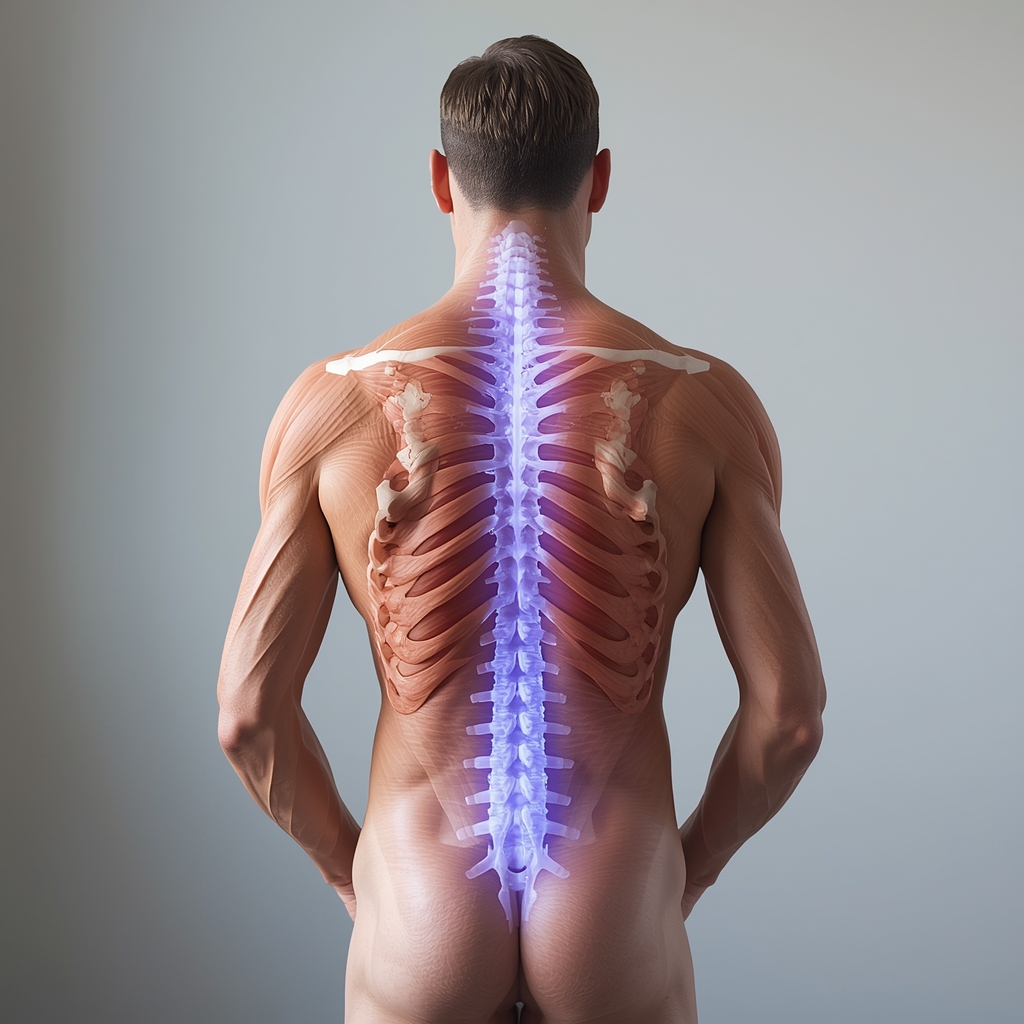
Understanding Myofascial Pain in the Quadratus Lumborum
The quadratus lumborum (QL) is a deep back muscle critical for stabilizing the lower spine and pelvis. Myofascial pain in this area often manifests as localized tenderness, referred pain to the hip or groin, and restricted movement. Trigger points within the QL can develop due to poor posture, repetitive strain, or muscular imbalances. Dry needling targets these trigger points to release tension and restore function. Unlike acupuncture, which addresses energy pathways, dry needling focuses on neuromuscular dysfunction. Practitioners use thin needles to stimulate specific points, aiming to reduce pain and improve mobility. This technique is often part of a broader treatment plan for musculoskeletal conditions.
Key Dry Needling Techniques for the QL
Effective dry needling for the QL requires precise localization of trigger points. Practitioners typically palpate the muscle to identify taut bands or nodules. Common techniques include superficial insertion to relax surrounding tissues or deep needling to target embedded trigger points. The needle may be manipulated gently to elicit a twitch response, signaling successful deactivation of the trigger point. Sessions often last 15–30 minutes, with multiple sessions spaced over weeks. Techniques like single-point needling or multiple-site insertion are tailored to the patient’s pain severity. Consistency in approach helps ensure safety and efficacy, though individual responses vary.
Safety Considerations and Professional Guidance
Dry needling should only be performed by trained professionals, such as licensed chiropractors or physical therapists. Improper technique risks injury, including puncturing nearby structures like the kidneys or blood vessels. Patients must disclose medical conditions, medications, or bleeding disorders before treatment. While generally safe, mild side effects like soreness or bruising may occur. Adhering to sterilization protocols and using single-use needles minimizes infection risks. It’s crucial to differentiate dry needling from acupuncture, as the latter involves distinct principles and applications. Always consult a qualified provider to determine if dry needling is suitable for your condition.
Integration With Other Therapies
Dry needling often complements other treatments for QL pain. Combining it with manual therapy, such as soft tissue mobilization or spinal adjustments, can enhance outcomes. Stretching exercises and posture correction may address underlying causes of trigger point formation. Physical therapists might incorporate dry needling into rehabilitation programs to improve muscle function. Patients should discuss integrating dry needling with their care team to avoid conflicting approaches. While dry needling provides targeted relief, long-term success depends on addressing lifestyle factors like ergonomics or exercise habits. A holistic strategy ensures comprehensive management of myofascial pain.
What to Expect During a Session
During a dry needling session, the practitioner will first assess the QL for trigger points through palpation. The area is cleaned, and sterile needles are inserted into the identified sites. Patients may feel a slight pinch or a dull ache as the needle reaches the muscle. The practitioner may gently manipulate the needle to provoke a therapeutic response. The session typically lasts 15–30 minutes, with needles removed afterward. Some individuals experience immediate pain relief, while others notice improvements over days. Post-session soreness is common but usually mild. Follow-up appointments are often recommended to sustain results and monitor progress.
Long-Term Management and Patient Education
For lasting relief, patients should adopt strategies to prevent QL reactivation. Ergonomic adjustments, regular movement, and strengthening exercises for the core and lower back are essential. Education on proper lifting techniques and posture can reduce strain on the QL. While dry needling offers acute pain relief, ongoing self-care is vital. Patients should communicate any persistent symptoms to their provider, as chronic issues may require modified approaches. Combining dry needling with lifestyle changes maximizes its benefits. Always follow professional guidance to ensure safe, effective long-term management of myofascial pain.













