
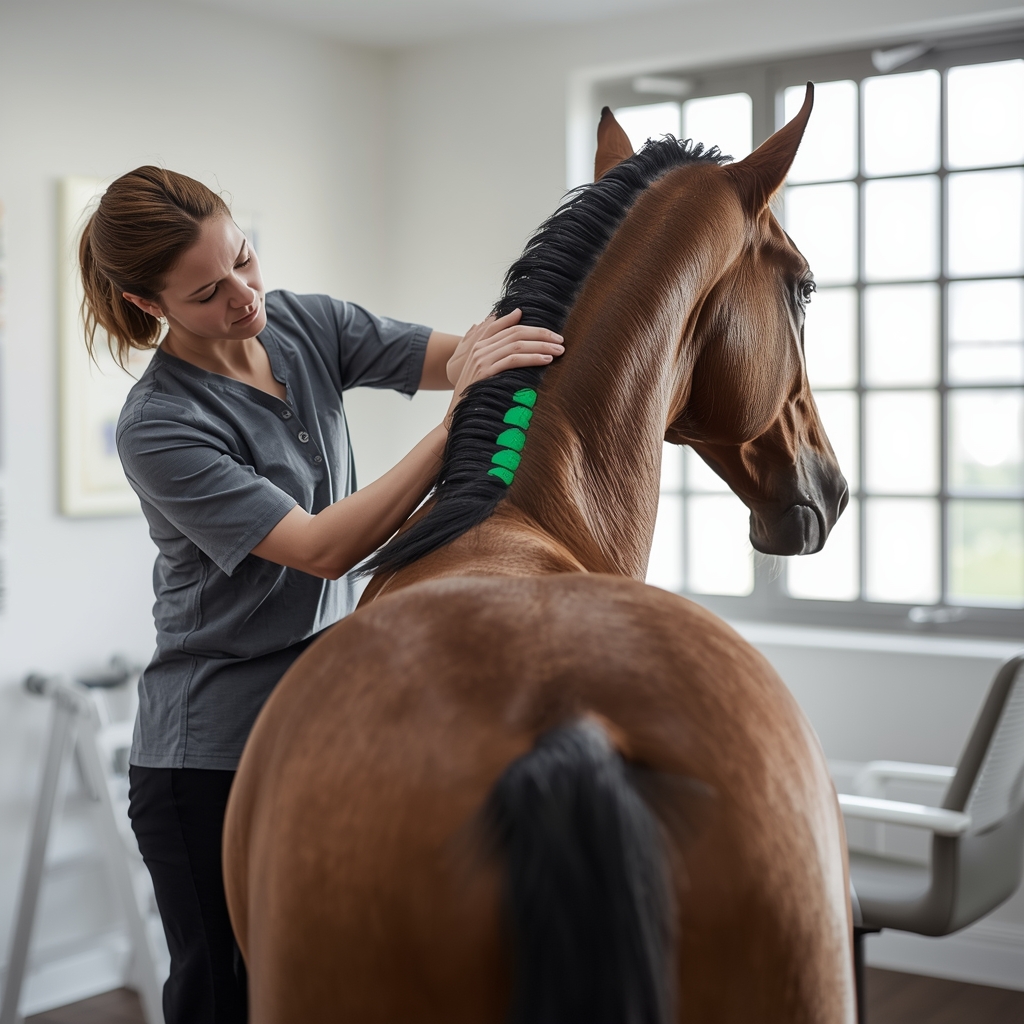
Introduction to Equine Chiropractic Care
Equine chiropractic care focuses on the musculoskeletal and nervous systems of horses, aiming to enhance mobility, flexibility, and overall performance. Unlike human chiropractic adjustments, equine care addresses the unique anatomy of horses, which have a different spinal structure and weight distribution. This specialized approach can help identify and correct misalignments that may affect a horse’s movement, comfort, and athletic ability. Many horse owners and trainers seek chiropractic care to support their animals’ health, particularly in performance settings where physical demands are high. While the principles of chiropractic care are similar across species, the techniques and goals for horses are tailored to their specific needs, emphasizing balance and function in large, active animals.
Benefits for Performance Horses
Chiropractic adjustments can offer significant benefits for performance horses, including improved range of motion, reduced pain, and enhanced coordination. By addressing spinal misalignments, these adjustments may help horses move more efficiently, which is critical for activities like jumping, racing, or dressage. Regular sessions can also prevent injuries by maintaining proper biomechanics and reducing strain on muscles and joints. Additionally, equine chiropractic care may support the nervous system, promoting better communication between the brain and body. This can lead to improved focus, responsiveness, and overall athletic performance. While not a substitute for veterinary care, many riders report that chiropractic support complements traditional treatments, helping their horses perform at their best while maintaining long-term musculoskeletal health.
Key Differences in Human vs. Equine Applications
While both human and equine chiropractic care aim to improve spinal function, the approaches differ due to anatomical and physiological variations. Horses have a longer spine and rely heavily on their back and hindquarters for movement, requiring adjustments that focus on these areas. Human chiropractic often emphasizes the cervical and lumbar regions, whereas equine adjustments may target the thoracic and sacral regions more frequently. Additionally, the size and weight of horses necessitate different techniques, such as using specialized tools or manual force adapted for larger animals. The goals also vary: human care often addresses chronic pain or posture, while equine care prioritizes performance optimization and injury prevention. These distinctions highlight the importance of trained professionals who understand the unique needs of each species.
Techniques Used in Equine Adjustments
Equine chiropractors employ a variety of techniques to address musculoskeletal issues, often using manual manipulation or specialized instruments. These methods focus on restoring proper alignment to the spine and joints, which can alleviate discomfort and improve mobility. Unlike human adjustments, equine procedures may involve more forceful techniques to accommodate the horse’s larger frame and stronger musculature. Some practitioners use mobilization, where they gently move joints to their limits, while others apply quick, targeted thrusts to correct misalignments. The choice of technique depends on the horse’s condition, temperament, and the chiropractor’s expertise. Many professionals also incorporate soft tissue work or rehabilitation exercises to enhance the effects of adjustments. These methods are typically performed alongside veterinary care to ensure the horse’s overall well-being and performance readiness.
Role of Chiropractors in Equine Wellness
Chiropractors specializing in equine care play a vital role in maintaining the health and performance of horses. They work closely with veterinarians to assess musculoskeletal issues and develop comprehensive treatment plans. These professionals are trained to recognize signs of discomfort or dysfunction that may impact a horse’s movement or behavior. Regular chiropractic sessions can help prevent minor issues from escalating into more severe problems, especially for performance animals under physical stress. Additionally, equine chiropractors educate owners on proper care, such as exercise routines and environmental adjustments, to support their horses’ long-term health. By focusing on non-invasive, holistic approaches, these specialists contribute to the overall wellness of horses, ensuring they remain comfortable, agile, and capable of meeting the demands of their activities.
Considerations for Horse Owners
Horse owners considering chiropractic care should prioritize finding a qualified, certified equine chiropractor with experience in performance animals. It’s essential to consult with a veterinarian first to rule out underlying medical conditions that may require different treatments. Owners should also discuss their horse’s specific needs, such as training goals or existing injuries, to ensure the care plan aligns with their expectations. Regular adjustments may be recommended, but the frequency depends on the horse’s activity level and individual requirements. While chiropractic care can complement traditional veterinary practices, it should never replace professional medical advice. By working with trusted professionals and staying informed about their horse’s health, owners can make informed decisions that support their animals’ comfort, performance, and longevity.














