
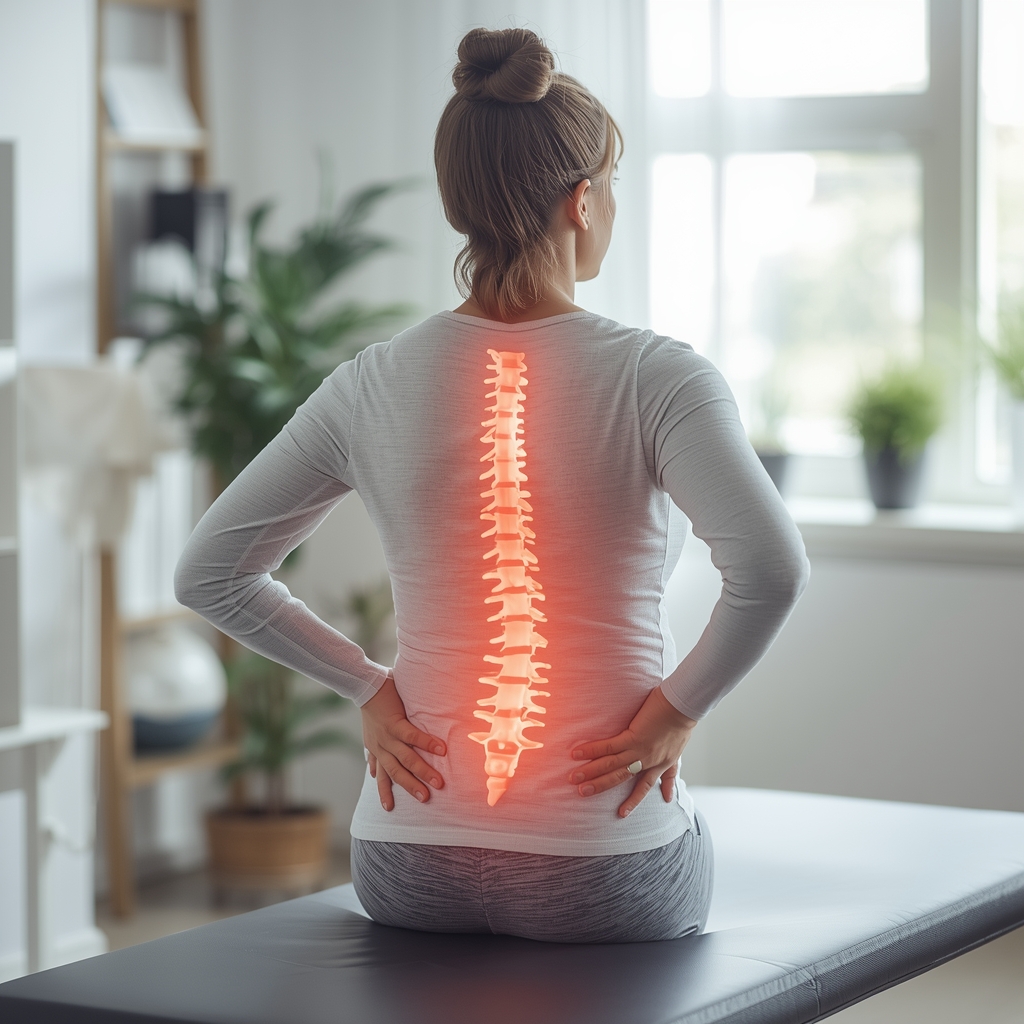
Understanding Sciatica During the Third Trimester
Sciatica, characterized by pain radiating along the sciatic nerve, often intensifies during the third trimester due to increased pressure on the lower back and pelvis. Hormonal changes and the growing uterus can exacerbate nerve compression, leading to discomfort. While many expectant parents seek relief through medication, chiropractic care offers a non-invasive alternative. However, adjustments must prioritize safety to protect both mother and baby. Understanding the unique challenges of this stage is critical for selecting appropriate interventions. A chiropractor specializing in prenatal care can evaluate individual needs and recommend strategies tailored to the body’s changing anatomy.
Safe Adjustment Techniques for Sciatica Relief
Chiropractors use specialized techniques to address sciatica during pregnancy, avoiding high-impact manipulations. The Webster Technique, for example, focuses on balancing the pelvis and reducing nerve interference without direct spinal thrusting. Soft-tissue methods, such as myofascial release, can alleviate muscle tension contributing to sciatic pain. These approaches prioritize the mother’s comfort and the baby’s safety by minimizing pressure on the abdomen. It’s essential to choose a provider trained in prenatal care, as their expertise ensures adjustments are gentle and effective. Patients should communicate any discomfort during sessions to guide the chiropractor in modifying techniques as needed.
The Role of a Qualified Prenatal Chiropractor
Working with a chiropractor experienced in prenatal care is vital for managing sciatica safely. These professionals understand the physiological changes of pregnancy and adapt their methods accordingly. They may use supportive devices, like pregnancy pillows, to ensure the mother’s comfort during adjustments. Regular consultations allow for ongoing assessment of the spine and pelvis, helping to prevent worsening symptoms. A qualified provider also collaborates with other healthcare teams to ensure care aligns with medical recommendations. By prioritizing non-invasive, patient-centered approaches, they help reduce sciatic pain while supporting overall wellness during the final trimester.
Complementary Therapies and Lifestyle Adjustments
In addition to chiropractic care, lifestyle modifications can enhance sciatica relief. Gentle exercises, such as prenatal yoga or swimming, promote circulation and reduce muscle stiffness. Proper posture, especially when sitting or sleeping, alleviates pressure on the sciatic nerve. Heat therapy, applied carefully to the lower back, may also provide temporary comfort. However, these strategies should complement, not replace, professional care. A chiropractor can guide patients on safe practices and recommend modifications to daily routines. Combining these efforts with regular adjustments creates a holistic approach to managing sciatica, improving quality of life as the due date approaches.
Safety Considerations and Communication
Open communication with healthcare providers is crucial when pursuing chiropractic care for sciatica. Expectant parents should inform their chiropractor about any pre-existing conditions, medications, or concerns to ensure safe treatment. While adjustments are generally low-risk, certain techniques may be avoided depending on individual circumstances. Regular check-ins with an obstetrician can help monitor the pregnancy’s progress alongside chiropractic interventions. Patients should also be aware of warning signs, such as severe pain or unusual symptoms, and seek immediate medical attention if needed. By fostering a collaborative care plan, mothers can navigate sciatica with confidence and minimize potential risks.
Conclusion: Balancing Care and Comfort
Managing sciatica during the third trimester requires a careful balance of effective, safe strategies. Chiropractic care, when administered by a qualified prenatal specialist, can provide significant relief without compromising maternal or fetal health. Techniques like the Webster Method and soft-tissue work address nerve compression and muscular strain, while lifestyle adjustments enhance overall comfort. However, each pregnancy is unique, and what works for one person may not suit another. Consulting with a chiropractor and other healthcare providers ensures personalized, informed decisions. By prioritizing safety and collaboration, expectant parents can find relief from sciatica and approach childbirth with greater ease and confidence.














