
Understanding the Role of Spinal Adjustments in Golf Performance
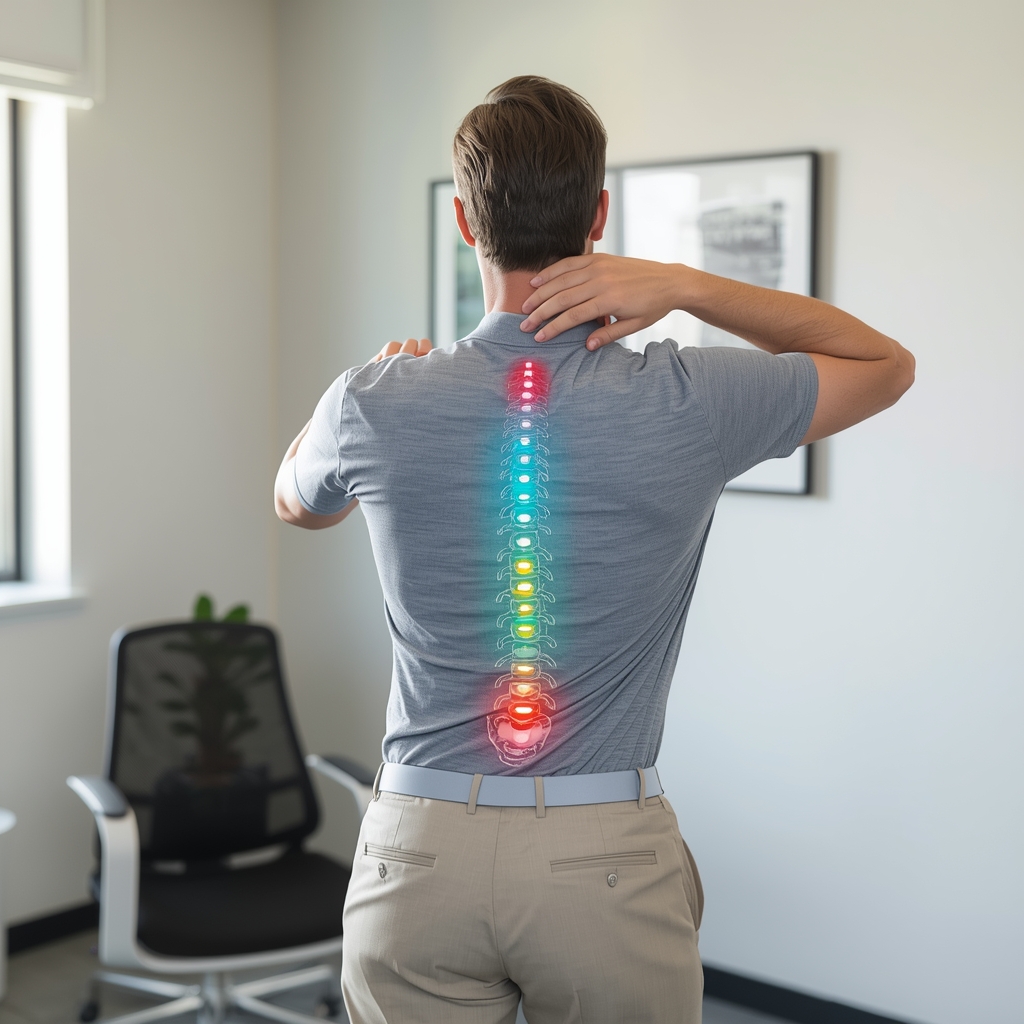
Spinal adjustments play a critical role in optimizing golf swing mechanics by ensuring proper alignment and mobility of the spine. A well-aligned spine allows for efficient transfer of energy during the swing, reducing unnecessary strain on the lower back and improving overall power. Chiropractors often focus on the thoracic and lumbar regions, as these areas are heavily involved in rotational movements. By addressing misalignments or restrictions, adjustments can enhance flexibility, balance, and coordination—key components of a fluid golf swing. Additionally, maintaining spinal health supports the nervous system, which is essential for precise muscle control and reaction time on the course. Regular adjustments may also help prevent chronic issues like disc compression or facet joint irritation, which are common in golfers due to repetitive twisting motions.
Key Mobility Exercises for Enhanced Swing Mechanics
Mobility exercises tailored to golfers can complement spinal adjustments by improving range of motion and reducing stiffness. Rotational stretches, such as the seated torso twist or cat-cow pose, target the thoracic spine, which is vital for the rotational force in a golf swing. Hip mobility drills, like the hip hinge or banded lateral walk, help maintain proper weight shift and balance during the swing. Core stability exercises, including planks or bird-dogs, strengthen the muscles that support the spine and enhance overall body control. These exercises, when performed consistently, can increase flexibility, reduce the risk of injury, and promote a more efficient swing. It’s important to note that mobility work should be personalized to address individual limitations, which a chiropractor can help identify through a thorough assessment.
How Spinal Adjustments Reduce Back Strain During Play
Back strain is a common issue among golfers, often resulting from improper technique, poor posture, or muscle imbalances. Spinal adjustments can alleviate this strain by restoring normal joint function and reducing nerve interference. For example, correcting a misaligned sacroiliac joint can ease pressure on the lower back, while realigning the thoracic spine can improve posture and reduce compensatory movements. Adjustments also help relax tight muscles that may contribute to stiffness, allowing for smoother, more natural movement during the swing. By addressing these issues, golfers may experience less pain and fatigue during play, enabling them to maintain consistency and focus. Regular chiropractic care can also prevent minor discomfort from escalating into chronic conditions, ensuring long-term enjoyment of the sport.
Integrating Chiropractic Care with Golf-Specific Training
Combining spinal adjustments with targeted training programs can maximize a golfer’s performance and injury prevention. Chiropractors often collaborate with fitness professionals to design routines that align with the body’s natural mechanics. For instance, adjustments may be followed by specific stretches or resistance exercises to reinforce proper movement patterns. This integrated approach ensures that the spine remains in optimal alignment while building the strength and flexibility needed for a powerful swing. Golfers may also benefit from gait analysis or swing assessments to identify biomechanical inefficiencies that adjustments can address. By treating the body as a whole, this holistic strategy supports both short-term performance gains and long-term musculoskeletal health, helping golfers achieve their goals safely and effectively.
Preventive Strategies for Long-Term Golfers
Preventive chiropractic care is essential for golfers aiming to maintain performance and avoid setbacks. Regular adjustments can detect and correct minor misalignments before they lead to pain or dysfunction. This proactive approach is particularly valuable for older golfers or those with a history of back issues. In addition to adjustments, chiropractors may recommend ergonomic modifications, such as proper club fitting or posture correction during play. Customized mobility and strength programs can further reduce the risk of overuse injuries by addressing individual weaknesses. By prioritizing spinal health, golfers can extend their playing careers and enjoy the sport with greater comfort and confidence. Consistent communication with a chiropractor ensures that any changes in the body are addressed promptly, supporting sustained performance on the course.
Consulting a Chiropractor for Personalized Care
Every golfer’s body is unique, and the effectiveness of spinal adjustments and mobility exercises depends on individual needs. A qualified chiropractor can conduct a comprehensive evaluation to identify specific areas of concern, such as restricted motion or muscle imbalances. Based on this assessment, they can develop a tailored plan that combines adjustments with targeted exercises to address the golfer’s goals. This personalized approach ensures that interventions are both safe and effective, minimizing the risk of further injury. Golfers should also discuss any existing conditions or medications with their chiropractor to avoid complications. By working closely with a healthcare provider, golfers can optimize their spinal health, enhance their swing mechanics, and enjoy the game with greater ease and enjoyment.














