
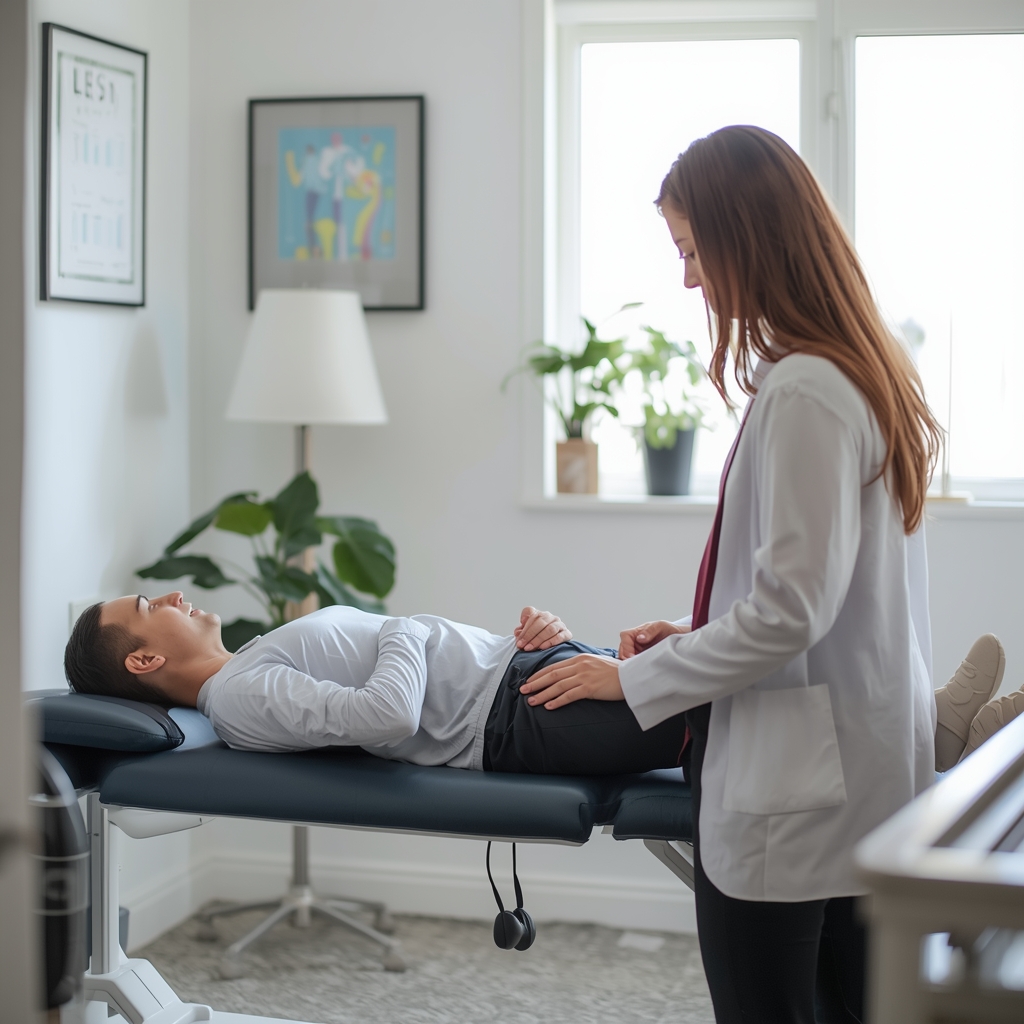
Understanding Meniscus Tears and Non-Surgical Options
Meniscus tears are common knee injuries often caused by sudden twists, sports activities, or degenerative changes. While surgery may be necessary for severe cases, many patients benefit from non-surgical interventions. Chiropractic care focuses on improving joint function, reducing pain, and promoting natural healing. Techniques like spinal adjustments, soft tissue therapy, and rehabilitative exercises can address biomechanical imbalances contributing to knee pain. These approaches aim to support the body’s innate ability to recover, often complementing traditional treatments like physical therapy. Understanding the role of non-surgical methods is crucial for informed decision-making about knee care.
Active Release Technique (ART) for Meniscus-Related Pain
Active Release Technique (ART) is a soft tissue therapy that targets adhesions and restrictions in muscles, tendons, and ligaments. For meniscus tears, ART can help alleviate surrounding muscle tension, improve joint mobility, and reduce compensatory pain patterns. By restoring normal movement, this method may enhance recovery and prevent further strain on the knee. While not a direct treatment for the meniscus itself, ART supports overall knee function by addressing related musculature. It is often used alongside other chiropractic and rehabilitative strategies to create a holistic approach to pain management and healing.
Spinal Adjustments and Joint Mobilization
Spinal adjustments and joint mobilization techniques can play a role in managing meniscus-related knee pain by addressing nervous system function and biomechanical alignment. Misalignments in the spine or pelvis may contribute to altered movement patterns, placing extra stress on the knee. Chiropractors use gentle manipulations to restore proper joint function, potentially reducing pain and improving stability. These interventions are often combined with targeted exercises to reinforce neuromuscular control. While not a substitute for physical therapy, spinal care can enhance the body’s ability to heal and adapt, creating a more balanced recovery process.
Soft Tissue Therapy and Rehabilitation Exercises
Soft tissue therapy, such as myofascial release and trigger point therapy, helps relieve muscle tightness and improve circulation around the knee. For meniscus tears, this can reduce secondary pain and support the healing of surrounding tissues. Chiropractors may also incorporate rehabilitative exercises to strengthen the muscles stabilizing the knee, such as the quadriceps and hamstrings. These exercises, when combined with manual therapies, can enhance joint stability and prevent future injuries. By addressing both structural and functional aspects of the knee, soft tissue work and exercise programs contribute to long-term recovery and improved mobility.
How Chiropractic Care Complements Physical Therapy
Chiropractic care and physical therapy often work synergistically to treat meniscus tears. While physical therapy focuses on restoring strength, flexibility, and movement, chiropractic interventions address alignment, nerve function, and soft tissue health. For example, a chiropractor might correct spinal or pelvic misalignments that affect knee mechanics, while a physical therapist designs a tailored exercise program. This collaborative approach ensures that both structural and functional aspects of recovery are addressed. Patients often experience better outcomes when these disciplines are integrated, as they target different but interconnected components of the healing process.
When to Seek Professional Guidance
Meniscus tears vary in severity, and treatment plans should be personalized by qualified healthcare providers. Chiropractors and physical therapists can assess individual needs and develop strategies to manage pain and restore function. It is important to avoid self-diagnosis or unproven treatments, as improper care may worsen symptoms. Patients should consult a chiropractor with experience in musculoskeletal injuries and a physical therapist specializing in orthopedic rehabilitation. By working with these professionals, individuals can explore safe, evidence-based options to support recovery and long-term knee health.













