
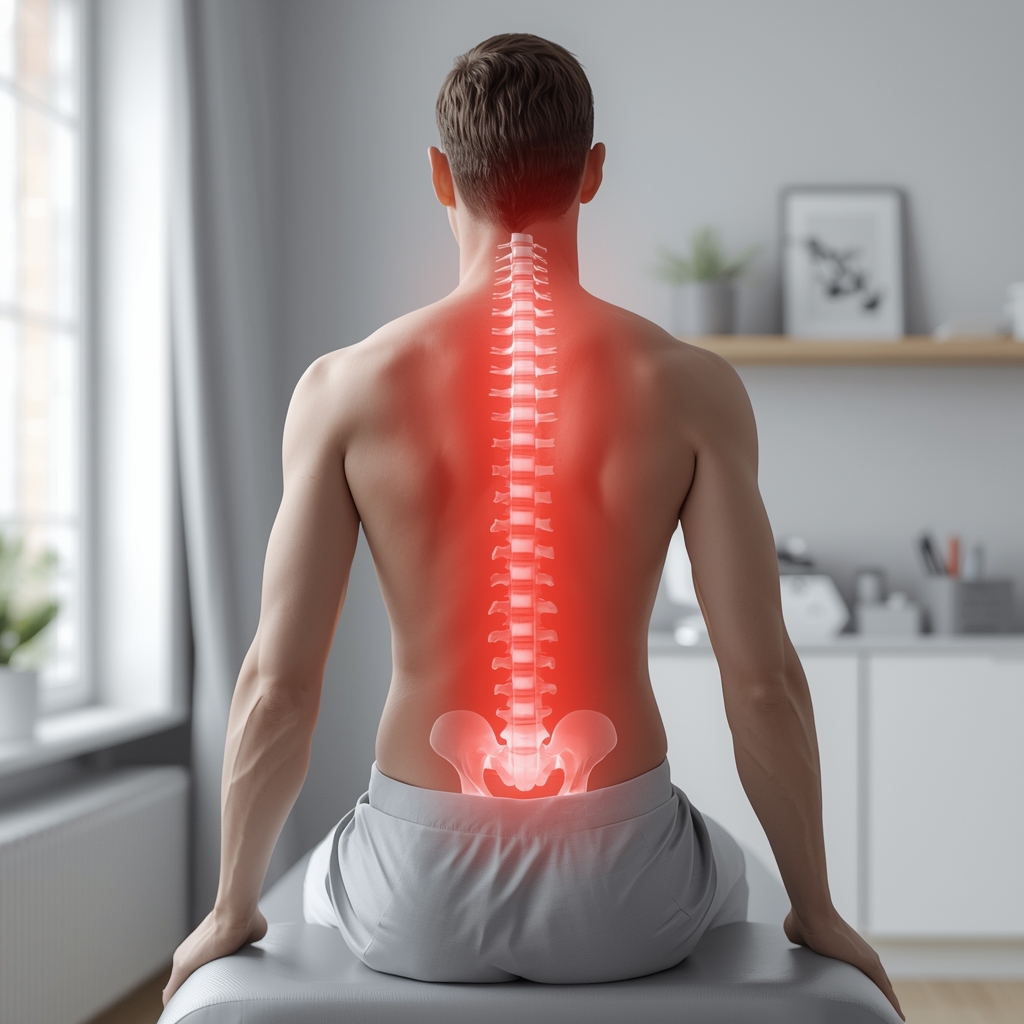
Understanding Lumbar Spinal Stenosis and Non-Surgical Options
Lumbar spinal stenosis occurs when the spinal canal narrows, compressing nerves and causing pain, numbness, or weakness in the lower back and legs. While surgery is an option for severe cases, many patients seek non-surgical chiropractic interventions to manage symptoms. These approaches focus on reducing pressure on the spine, improving mobility, and enhancing overall function. Chiropractors often emphasize a holistic strategy, combining techniques like spinal adjustments, soft tissue therapy, and decompression to address the root causes of discomfort. Patients should work closely with their providers to determine the most suitable plan, as individual needs vary. Non-surgical care can be a valuable alternative or complement to other treatments, offering relief without the risks associated with invasive procedures.
Spinal Adjustments and Realignment
Spinal adjustments, a cornerstone of chiropractic care, involve manual or instrument-assisted manipulations to correct misalignments in the spine. For lumbar spinal stenosis, these adjustments aim to reduce nerve compression and improve spinal mechanics. By restoring proper alignment, chiropractors may alleviate pain and enhance mobility. However, adjustments are typically part of a broader treatment plan, often paired with other therapies. It is crucial to seek care from a licensed professional, as improper techniques could worsen symptoms. Patients should discuss their medical history and current symptoms with their chiropractor to ensure adjustments are safe and tailored to their condition. While not a cure, spinal adjustments can provide meaningful relief for many individuals.
Soft Tissue Therapy for Muscle Relief
Soft tissue therapy targets muscles, ligaments, and tendons surrounding the spine, addressing tension that may exacerbate spinal stenosis symptoms. Techniques such as massage, myofascial release, and trigger point therapy help reduce inflammation, improve circulation, and ease discomfort. Tight muscles in the lower back or legs can contribute to nerve pressure, making soft tissue work an essential component of non-surgical care. Chiropractors often integrate these therapies with spinal adjustments to maximize benefits. Patients may experience immediate relief or gradual improvement over time, depending on the severity of their condition. As with all treatments, consistency and communication with the provider are key to achieving optimal results.
Decompression Therapy for Nerve Pressure
Spinal decompression therapy uses mechanical devices to gently stretch the spine, creating space between vertebrae and relieving pressure on nerves. This non-surgical approach is often recommended for patients with lumbar spinal stenosis, as it can reduce pain and improve nerve function. The therapy may involve a series of sessions, with gradual progress reported by many individuals. While not suitable for all cases, decompression therapy is generally safe when performed by a qualified chiropractor. It is often combined with other interventions, such as adjustments or exercises, to enhance outcomes. Patients should discuss potential benefits and risks with their provider to determine if this therapy aligns with their overall treatment goals.
Integrating Chiropractic Care with Other Treatments
Non-surgical chiropractic care is most effective when integrated with complementary therapies. Physical therapy, for example, can strengthen core muscles and improve posture, supporting spinal stability. Exercise programs tailored to spinal stenosis may also help maintain mobility and reduce pain. Chiropractors often collaborate with other healthcare professionals to create a cohesive plan, ensuring all aspects of the patient’s condition are addressed. Lifestyle modifications, such as ergonomic adjustments or weight management, further enhance outcomes. By combining multiple approaches, patients can achieve more comprehensive relief and long-term improvements. Open communication with all providers is essential to coordinate care and avoid conflicting treatments.
Personalized Care and Ongoing Management
Each patient’s experience with lumbar spinal stenosis is unique, requiring a personalized treatment plan. Chiropractors assess individual symptoms, medical history, and lifestyle factors to design an approach that suits their needs. Regular follow-ups allow for adjustments to the care plan as symptoms evolve. Patients should be proactive in reporting changes or concerns to their provider. While non-surgical interventions can provide significant relief, they are not a one-size-fits-all solution. Consistency, patience, and collaboration with healthcare professionals are vital for long-term success. By staying engaged in their care, patients can maximize the benefits of chiropractic treatment and improve their quality of life.











