
Understanding TMJ Disorders and the Role of Chiropractic Care
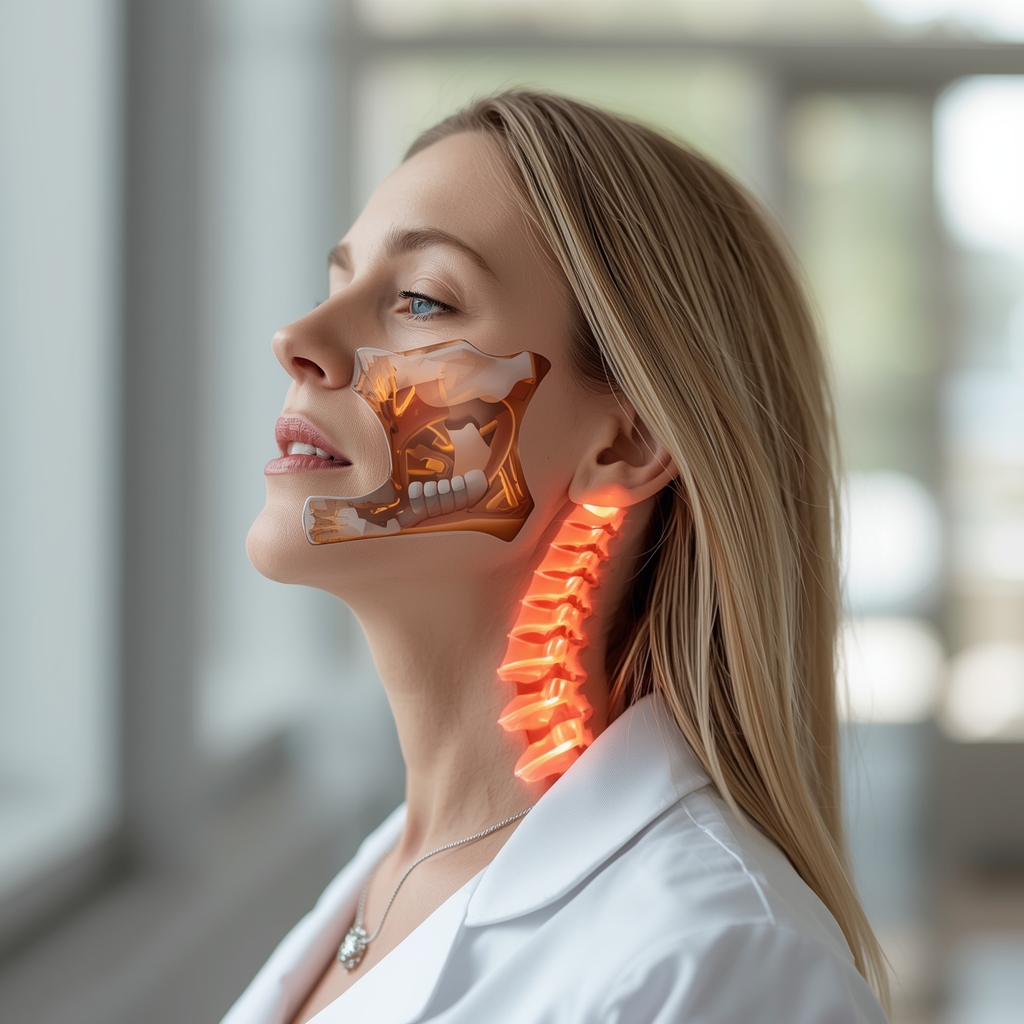
Temporomandibular joint (TMJ) disorders affect the jaw joint and surrounding muscles, causing pain, limited movement, and clicking sounds. While dental or surgical interventions are common, chiropractic care offers an alternative approach by addressing potential spinal misalignments and muscle tension. The cervical spine, located in the neck, is closely connected to the jaw through shared nerve pathways and musculature. Chiropractors may evaluate how cervical spine dysfunction contributes to TMJ symptoms, aiming to restore balance and reduce discomfort through targeted adjustments and soft tissue techniques.
The Connection Between Cervical Spine Adjustments and TMJ Relief
Cervical spine adjustments focus on correcting misalignments in the neck vertebrae, which can alleviate pressure on nerves and muscles that radiate to the jaw. For example, a misaligned atlas (the top cervical vertebra) may disrupt neural signals to the temporomandibular joint, exacerbating pain or dysfunction. By realigning the spine, chiropractors aim to improve nerve communication, reduce muscle tension, and enhance overall jaw function. This approach is often used alongside other therapies, as TMJ disorders can stem from multiple factors, including posture, stress, or teeth grinding.
Myofascial Release Techniques for TMJ Relief
Myofascial release is a soft tissue therapy that targets tight or restricted fascia (connective tissue) around the jaw, neck, and shoulders. TMJ disorders often involve overactive or shortened muscles, such as the masseter or temporalis, which can pull the jaw out of alignment. Chiropractors may use manual pressure, stretching, or tools to release these restrictions, improving mobility and reducing pain. This technique complements spinal adjustments by addressing muscle imbalances that may contribute to jaw dysfunction. Patients frequently report decreased tension and improved range of motion after myofascial release sessions.
Combining Adjustments and Myofascial Release for Comprehensive Care
Chiropractors often integrate cervical spine adjustments with myofascial release to address TMJ disorders holistically. Adjustments correct structural imbalances, while myofascial techniques relieve muscular tightness that may worsen jaw pain. For instance, a patient with chronic TMJ pain might benefit from an adjustment to realign the cervical spine, followed by myofascial release to loosen overactive jaw muscles. This dual approach can enhance treatment outcomes by tackling both mechanical and muscular components of the condition. However, the specific combination of therapies depends on the individual’s symptoms and underlying causes.
Factors to Consider When Exploring Chiropractic Treatment
While chiropractic care may offer relief for TMJ disorders, it is essential to consult a qualified practitioner who specializes in jaw and musculoskeletal conditions. A thorough evaluation is necessary to determine if spinal misalignments or muscle tension are contributing to the issue. Patients should also communicate any existing medical conditions or medications, as these may influence treatment options. Chiropractic care is typically part of a broader treatment plan, which may include lifestyle modifications, stress management, or referrals to other healthcare providers. Open dialogue with a chiropractor ensures a personalized and safe approach to care.
Conclusion: A Holistic Approach to TMJ Management
Chiropractic care provides a non-invasive option for managing TMJ disorders by addressing the interconnected relationship between the cervical spine and jaw function. Through cervical adjustments and myofascial release, chiropractors aim to reduce pain, improve mobility, and restore balance to the musculoskeletal system. However, results vary depending on the individual’s condition and treatment adherence. Patients are encouraged to work closely with their chiropractor to explore these techniques and determine the most effective strategies for their unique needs. As with any healthcare decision, professional guidance is key to achieving optimal outcomes.













