
Introduction to Myofascial Pain and Treatment Options
Myofascial pain, stemming from trigger points in muscle tissue, can cause persistent discomfort and limit mobility. Both the Graston Technique and traditional massage therapy are commonly used to address this condition, though they differ in approach. The Graston Technique employs specialized instruments to detect and break down scar tissue, while massage therapy relies on manual pressure and kneading. Understanding their distinct mechanisms helps patients and practitioners choose the most suitable method. These therapies aim to reduce pain, improve range of motion, and promote healing, but their effectiveness may vary based on individual needs and the severity of the condition.
Overview of the Graston Technique
The Graston Technique is a form of instrument-assisted soft tissue mobilization designed to identify and treat areas of restricted movement. Using stainless steel tools, practitioners glide over the skin to detect adhesions and scar tissue, applying controlled pressure to release tension. This method is often used for conditions like plantar fasciitis, tennis elbow, and lower back pain. By targeting fascial restrictions, the Graston Technique aims to restore normal tissue function and reduce pain. It is typically combined with stretching and exercise to enhance outcomes. While some studies suggest benefits, more research is needed to fully understand its long-term efficacy compared to other therapies.
Traditional Massage Therapy Approaches
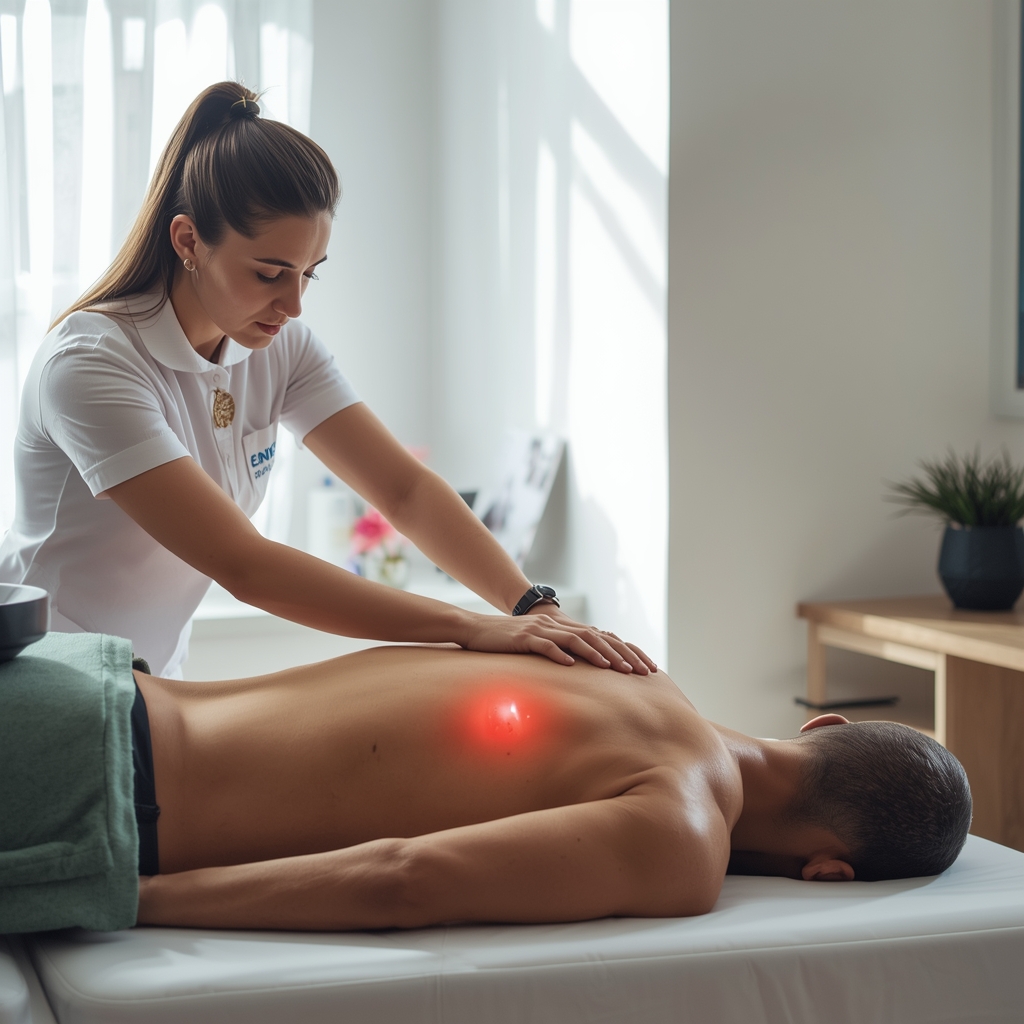
Traditional massage therapy involves manual techniques such as effleurage, petrissage, and deep tissue work to relieve muscle tension and improve circulation. Practitioners use their hands, elbows, or forearms to apply pressure to specific areas, focusing on releasing knots and promoting relaxation. This approach is versatile, addressing both acute and chronic pain, and can be tailored to individual preferences. While it lacks the instrumental tools of the Graston Technique, it emphasizes a hands-on, personalized connection between therapist and patient. Massage therapy is often praised for its ability to reduce stress and enhance overall well-being, making it a popular choice for myofascial pain management.
Comparing Efficacy and Mechanisms
The Graston Technique and traditional massage therapy both target soft tissue dysfunction but use different methods. The Graston Technique’s instruments allow for more precise detection of adhesions, potentially addressing deeper layers of muscle and fascia. Massage therapy, on the other hand, relies on the therapist’s tactile feedback to identify and manipulate problem areas. While the Graston Technique may offer more consistent pressure, massage therapy provides a more holistic, sensory experience. Research on both approaches is ongoing, with some studies indicating that instrument-assisted techniques can improve mobility, while others highlight the value of manual methods. Individual responses vary, and factors like pain tolerance and condition severity play a role in determining the best option.
Considerations for Patient Choice
Choosing between the Graston Technique and traditional massage therapy depends on personal preferences, treatment goals, and professional guidance. The Graston Technique may appeal to those seeking a structured, instrument-based approach, while massage therapy offers a more intuitive, hands-on experience. Patients should consider factors like comfort with tools, desired level of pressure, and the therapist’s expertise. It’s also important to discuss expectations with a healthcare provider, as both methods may complement other treatments like chiropractic adjustments or physical therapy. Open communication with a qualified practitioner ensures the selected therapy aligns with the individual’s needs and promotes optimal recovery.
Conclusion and Professional Guidance
Both the Graston Technique and traditional massage therapy can be valuable tools in managing myofascial pain, but their suitability depends on individual circumstances. The Graston Technique’s use of instruments may offer targeted relief for specific issues, while massage therapy provides a more generalized, soothing approach. Patients should consult with a chiropractor or licensed therapist to determine the best course of action. These therapies are not substitutes for medical evaluation but can be part of a comprehensive treatment plan. By working with a qualified professional, individuals can make informed decisions that support their path to pain relief and improved mobility.













