
What Is 'Innate Intelligence' in Chiropractic Philosophy?
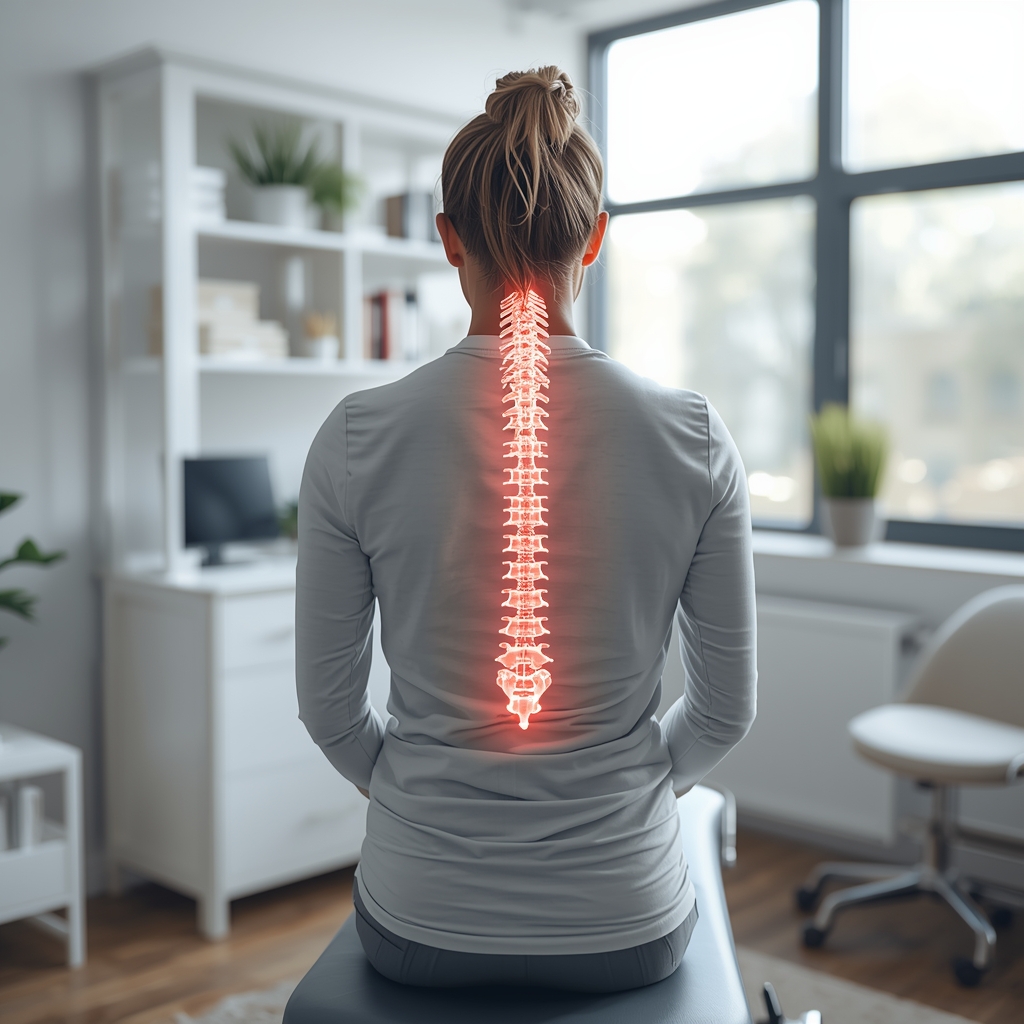
Chiropractic care is rooted in the principle of 'Innate Intelligence,' a foundational concept that describes the body's inherent ability to self-regulate, heal, and maintain balance. This philosophy posits that the body possesses an innate, self-healing mechanism that operates through the nervous system. Chiropractors believe that disruptions in spinal alignment—known as vertebral subluxations—can interfere with this natural process, leading to pain, dysfunction, or illness. By restoring proper spinal function through adjustments, chiropractors aim to remove these interferences, allowing the body to express its full potential for wellness. This perspective emphasizes the body’s wisdom over external interventions, framing chiropractic care as a supportive practice rather than a corrective one. While not universally accepted in mainstream medicine, this philosophy shapes the approach of many chiropractors in addressing chronic pain and other health concerns.
How 'Innate Intelligence' Shapes Treatment Approaches
The belief in 'Innate Intelligence' influences how chiropractors assess and treat chronic pain by prioritizing the body’s natural healing capacity. Rather than focusing solely on symptom management, practitioners seek to identify and address underlying imbalances that may hinder the body’s ability to self-regulate. For example, a chiropractor might explore how spinal misalignments could disrupt nerve communication, potentially contributing to persistent pain. Treatment plans often emphasize non-invasive, holistic strategies, such as spinal adjustments, soft tissue work, and lifestyle recommendations, to support the body’s innate processes. This approach encourages patients to view their health as a dynamic, self-correcting system rather than a collection of isolated issues. By aligning care with the philosophy of 'Innate Intelligence,' chiropractors aim to empower patients to take an active role in their recovery while fostering a partnership built on trust and mutual understanding.
Chronic Pain Management Through a Holistic Lens
Chronic pain patients often seek chiropractic care for relief, and the philosophy of 'Innate Intelligence' provides a framework for addressing these conditions holistically. Rather than viewing pain as a standalone problem, chiropractors consider it a signal of deeper systemic imbalances. This perspective encourages a comprehensive evaluation of factors such as posture, movement patterns, and stress levels, which may contribute to persistent discomfort. Treatments are tailored to support the body’s natural ability to adapt and heal, with adjustments aimed at improving nervous system function. While this approach does not replace conventional medical care, it complements it by focusing on the body’s capacity for self-regulation. Patients may find value in this philosophy as it shifts the narrative from fighting pain to working with the body’s inherent wisdom. However, it is important to note that individual experiences vary, and outcomes depend on factors such as the severity of the condition and the patient’s engagement with their care plan.
Empowering Patients Through Education and Collaboration
Chiropractors who embrace 'Innate Intelligence' often prioritize patient education, helping individuals understand how their bodies naturally respond to care. This involves explaining the relationship between spinal health, nervous system function, and overall well-being. By fostering this knowledge, practitioners empower patients to make informed decisions about their health and treatment options. Collaboration is key, as chiropractors may work alongside other healthcare providers to ensure a coordinated approach to chronic pain management. This philosophy also encourages patients to take an active role in their recovery, whether through lifestyle modifications, exercise, or stress reduction techniques. While 'Innate Intelligence' does not guarantee specific outcomes, it promotes a sense of agency and optimism about the body’s capacity to heal. Patients are encouraged to view their care as a partnership, where their input and efforts contribute to the success of the treatment process.
Evidence and Research on 'Innate Intelligence'
The concept of 'Innate Intelligence' remains a subject of debate within the broader medical community. While chiropractic care has demonstrated effectiveness for certain conditions, such as lower back pain, the philosophical underpinning of 'Innate Intelligence' lacks robust scientific validation. Research on spinal adjustments and their impact on pain management often focuses on biomechanical and neurological mechanisms rather than the body’s self-healing capacity. Some studies suggest that chiropractic interventions can improve function and reduce pain, but these findings are typically attributed to physical changes rather than a mystical 'intelligence' within the body. As a result, patients are advised to approach this philosophy with an open but critical mindset. It is essential to consult with qualified healthcare providers to explore all treatment options and determine the most appropriate care plan for individual needs.
Conclusion: Balancing Philosophy and Practical Care
The philosophy of 'Innate Intelligence' continues to shape the way many chiropractors approach chronic pain and other health concerns. By emphasizing the body’s natural ability to heal, this perspective encourages a holistic, patient-centered approach to care. While it may not align with all scientific viewpoints, it offers a framework for understanding health as a dynamic, self-regulating process. For patients, this philosophy can foster a sense of empowerment and hope, but it is important to integrate it with evidence-based practices and professional guidance. Chiropractors who embrace 'Innate Intelligence' often work to educate patients, collaborate with other providers, and tailor treatments to individual needs. Ultimately, the goal is to support the body’s inherent wisdom while ensuring that care remains safe, effective, and aligned with the patient’s overall health objectives.














