
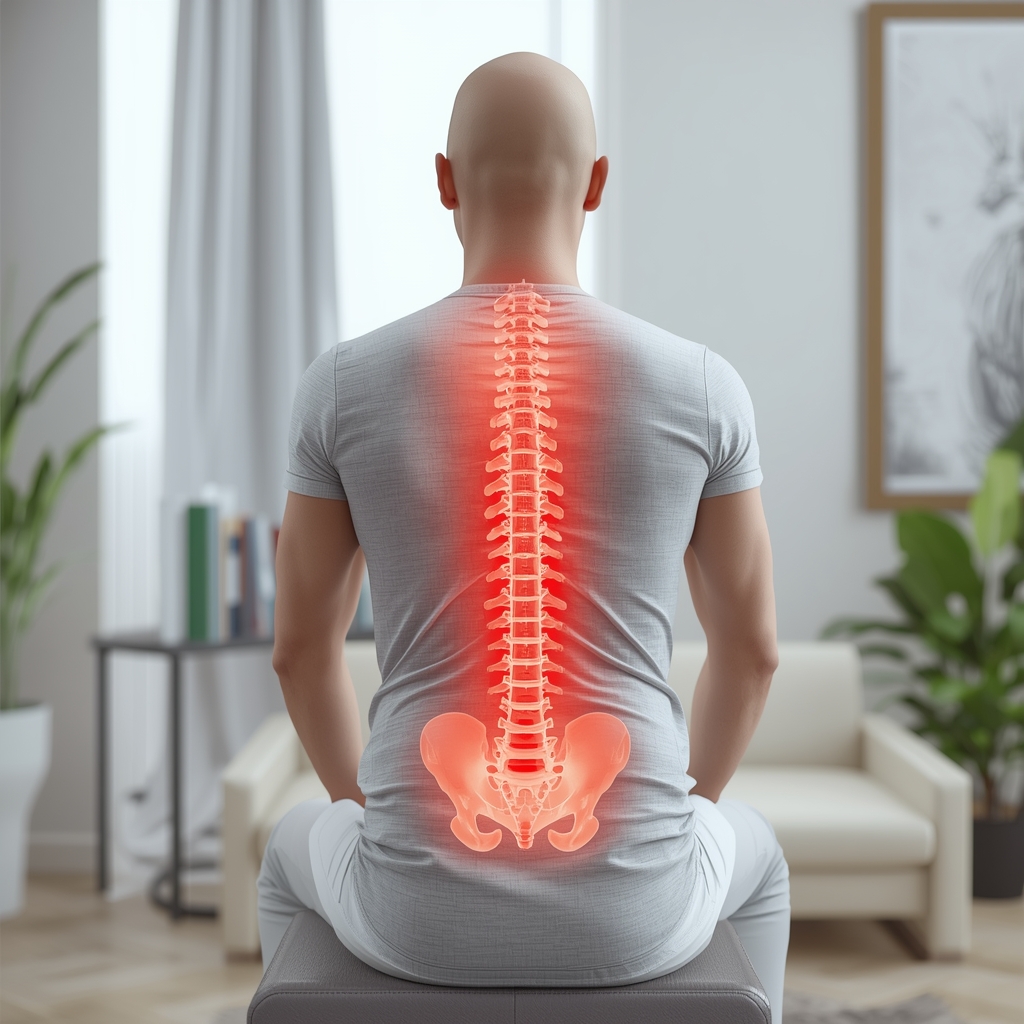
The Thoracolumbar Junction: A Critical Transition Point
The thoracolumbar junction, located between the 12th thoracic (T12) and 1st lumbar (L1) vertebrae, serves as a bridge between the rigid thoracic spine and the more flexible lumbar region. This area bears significant mechanical stress due to its role in transferring weight from the upper body to the lower body. The unique anatomy here includes a mix of structural features: the thoracic spine’s rib attachments provide stability, while the lumbar spine’s larger discs and facet joints allow for greater mobility. The thoracolumbar fascia, a dense connective tissue layer, further reinforces this junction. Understanding this region’s design helps explain why it’s both a site of strength and vulnerability in maintaining posture and preventing lower back pain.
Key Anatomical Structures and Their Roles
Several structures in the thoracolumbar junction contribute to its function. The intervertebral discs here are thicker than in the cervical spine but thinner than in the lumbar region, balancing flexibility and shock absorption. Facet joints, which guide spinal movement, are more angled in this area, limiting rotation but enabling bending. Ligaments like the ligamentum flavum and supraspinous ligament provide additional support. Muscles such as the erector spinae and multifidus stabilize the spine during movement. The thoracolumbar fascia acts as a tension-resistant sheet, distributing forces across the lower back. These elements work together to maintain alignment, but imbalances or injuries here can disrupt stability and lead to discomfort.
Postural Stability: How Anatomy Shapes Balance
The thoracolumbar junction’s anatomy directly influences postural stability. Its transitional nature means it must adapt to both the thoracic spine’s rigidity and the lumbar spine’s flexibility. The alignment of vertebrae, discs, and facet joints ensures smooth weight distribution, while the surrounding muscles and fascia provide dynamic support. For example, the erector spinae muscles engage to maintain an upright posture, and the thoracolumbar fascia helps transfer forces during movement. Any disruption—such as muscle weakness, disc degeneration, or ligament laxity—can compromise balance, leading to compensatory patterns that strain the lower back. Proper biomechanics in this region are essential for maintaining efficient posture and preventing long-term issues.
Common Causes of Lower Back Pain in This Region
Lower back pain often originates in the thoracolumbar junction due to its high workload. Common causes include muscle imbalances, where overactive hip flexors or underactive glutes strain the lower back. Degenerative disc changes, such as herniation or narrowing of the spinal canal, can compress nerves and cause pain. Facet joint dysfunction, often from repetitive bending or twisting, may lead to localized discomfort. Poor posture, like excessive lumbar lordosis, places undue pressure on this area. Additionally, trauma or sudden movements can overstress the ligaments and muscles. These factors highlight the junction’s susceptibility to wear and tear, emphasizing the need for proactive care to preserve its function and reduce pain risk.
The Impact of Posture on Thoracolumbar Health
Poor posture significantly affects the thoracolumbar junction, often leading to chronic strain. Slouching or rounding the upper back shifts weight forward, increasing pressure on the T12-L1 vertebrae and discs. Conversely, excessive arching of the lower back (hyperlordosis) can overextend the lumbar spine, stressing the facet joints. Prolonged sitting, especially with improper ergonomics, weakens core muscles and destabilizes the junction. Even daily activities like lifting heavy objects incorrectly can misalign this area. Over time, these postural issues may contribute to muscle tightness, reduced mobility, and pain. Maintaining proper posture through awareness, exercise, and ergonomic adjustments is crucial for protecting the thoracolumbar junction and supporting overall spinal health.
Chiropractic Insights for Thoracolumbar Wellness
Chiropractors evaluate the thoracolumbar junction to identify misalignments or dysfunctions that may affect posture and cause pain. Techniques like spinal adjustments can restore proper joint mobility, while soft tissue therapies may address muscle tension in the thoracolumbar fascia. A chiropractor might also recommend corrective exercises to strengthen core and postural muscles, improving stability. Since this region is complex, a personalized approach is essential. Regular checkups can detect early signs of imbalance, allowing for timely intervention. By focusing on the interplay between anatomy and function, chiropractic care aims to enhance the thoracolumbar junction’s resilience, supporting long-term postural health and reducing lower back discomfort.













