
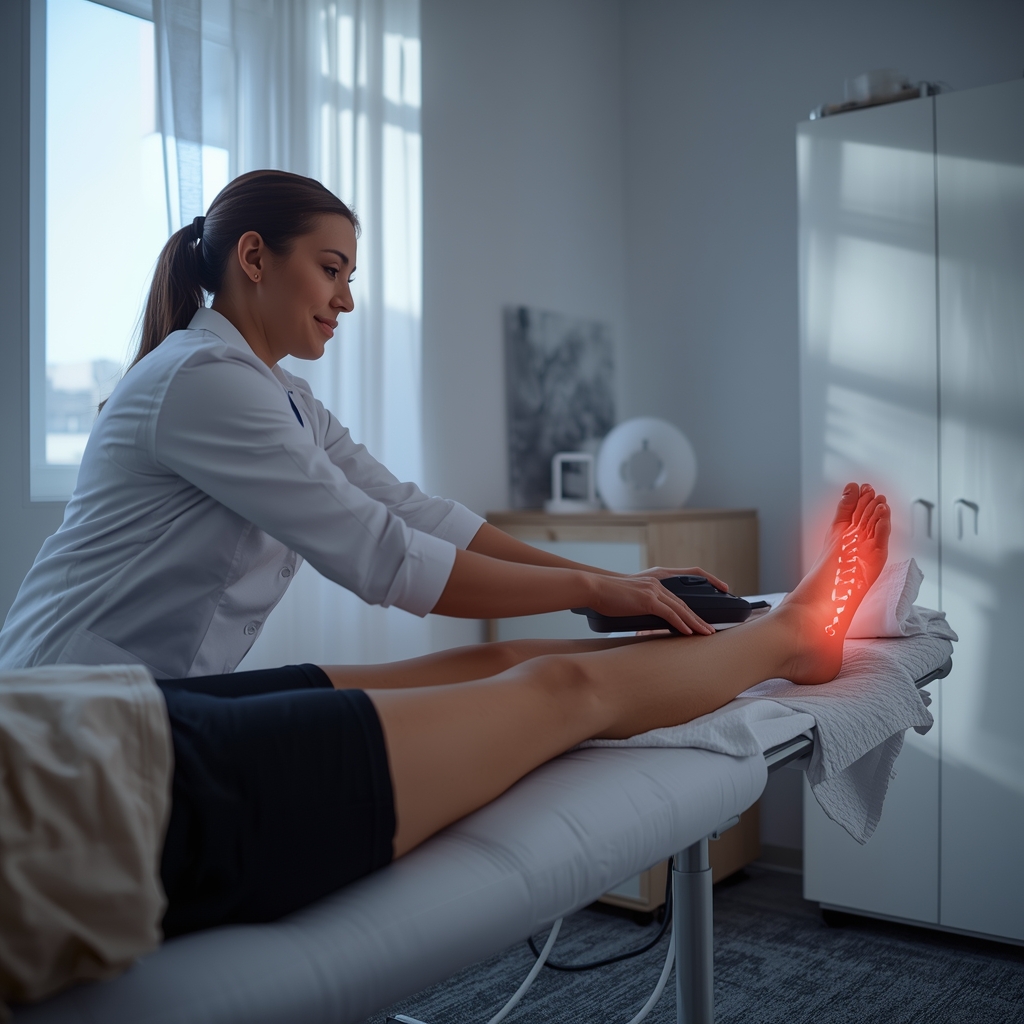
Understanding Low-Level Laser Therapy (LLLT)
Low-Level Laser Therapy (LLLT), also known as cold laser therapy, is a non-invasive treatment that uses low-intensity lasers or light-emitting diodes to stimulate cellular function and promote healing. Unlike high-intensity lasers used for surgical procedures, LLLT delivers light energy at a level that does not generate significant heat. This therapy is widely used in musculoskeletal care, including conditions like Achilles tendinopathy and plantar fasciitis, which involve inflammation and tissue damage. By targeting specific areas of the body, LLLT aims to reduce pain, improve circulation, and accelerate the body’s natural repair processes. Its application extends beyond traditional chiropractic adjustments, offering a complementary approach to managing chronic and acute musculoskeletal issues.
How LLLT Promotes Healing
LLLT works by delivering light energy to cells, which can enhance mitochondrial function and increase adenosine triphosphate (ATP) production. This energy boost supports cellular repair and reduces oxidative stress, which is often linked to inflammation and tissue degeneration. Additionally, LLLT may stimulate the release of anti-inflammatory cytokines and improve blood flow to the affected area, facilitating the removal of waste products and the delivery of nutrients. For patients with Achilles tendinopathy, this can help reduce tendon stiffness and pain, while for plantar fasciitis, it may alleviate heel discomfort and inflammation. The therapy’s ability to modulate cellular activity without causing damage makes it a promising option for those seeking non-surgical interventions.
LLLT for Achilles Tendinopathy
Achilles tendinopathy is a common overuse injury affecting the tendon connecting the calf muscles to the heel. It often causes pain, swelling, and reduced mobility, particularly during physical activity. LLLT may help by targeting the inflamed tendon to reduce pain and promote tissue regeneration. Studies suggest that the therapy can enhance collagen synthesis, which is critical for tendon strength and repair. Patients may experience improved flexibility and reduced recovery time when LLLT is combined with other treatments like stretching or physical therapy. However, results can vary, and it is essential to consult a qualified chiropractor to determine if LLLT is suitable for individual cases. The therapy is typically administered in multiple sessions, with gradual improvements observed over time.
LLLT for Plantar Fasciitis
Plantar fasciitis involves inflammation of the thick band of tissue (plantar fascia) that runs across the bottom of the foot, causing heel pain. LLLT may offer relief by reducing inflammation and encouraging the healing of damaged tissue. The therapy can target the plantar fascia to improve blood flow and decrease pain signals transmitted to the nervous system. Patients often report reduced morning pain and increased comfort during daily activities after several sessions. While LLLT is not a standalone solution, it can complement other treatments such as orthotics, stretching exercises, or manual therapy. As with any medical intervention, the effectiveness of LLLT depends on factors like the severity of the condition and the patient’s overall health. A chiropractor can help tailor a treatment plan that addresses specific needs.
Integrating LLLT with Chiropractic Care
Chiropractors often use LLLT as part of a multifaceted approach to treat musculoskeletal conditions. By combining LLLT with spinal adjustments, soft tissue therapies, and rehabilitative exercises, practitioners aim to address both the symptoms and underlying causes of pain. For example, in cases of Achilles tendinopathy, LLLT may be used alongside joint mobilization to improve biomechanics and reduce strain on the tendon. Similarly, for plantar fasciitis, the therapy could be paired with foot orthotics to correct gait abnormalities. This integrative strategy emphasizes holistic care, focusing on long-term recovery rather than temporary relief. Patients are encouraged to follow their chiropractor’s recommendations and maintain open communication about their progress to optimize outcomes.
Considerations and Professional Guidance
While LLLT is generally considered safe, it is not a one-size-fits-all solution. The effectiveness of the therapy can vary based on factors like the device’s wavelength, treatment duration, and the patient’s overall health. Individuals with certain medical conditions, such as photosensitivity or active infections, may need to avoid LLLT or consult their healthcare provider first. It is also important to note that LLLT should not replace conventional medical treatments but rather serve as a complementary option. Patients should work with a licensed chiropractor to develop a personalized plan that aligns with their goals and needs. Regular follow-ups and adjustments to the treatment protocol can help ensure the best possible results. Always seek professional advice before starting any new therapy to ensure safety and efficacy.













