
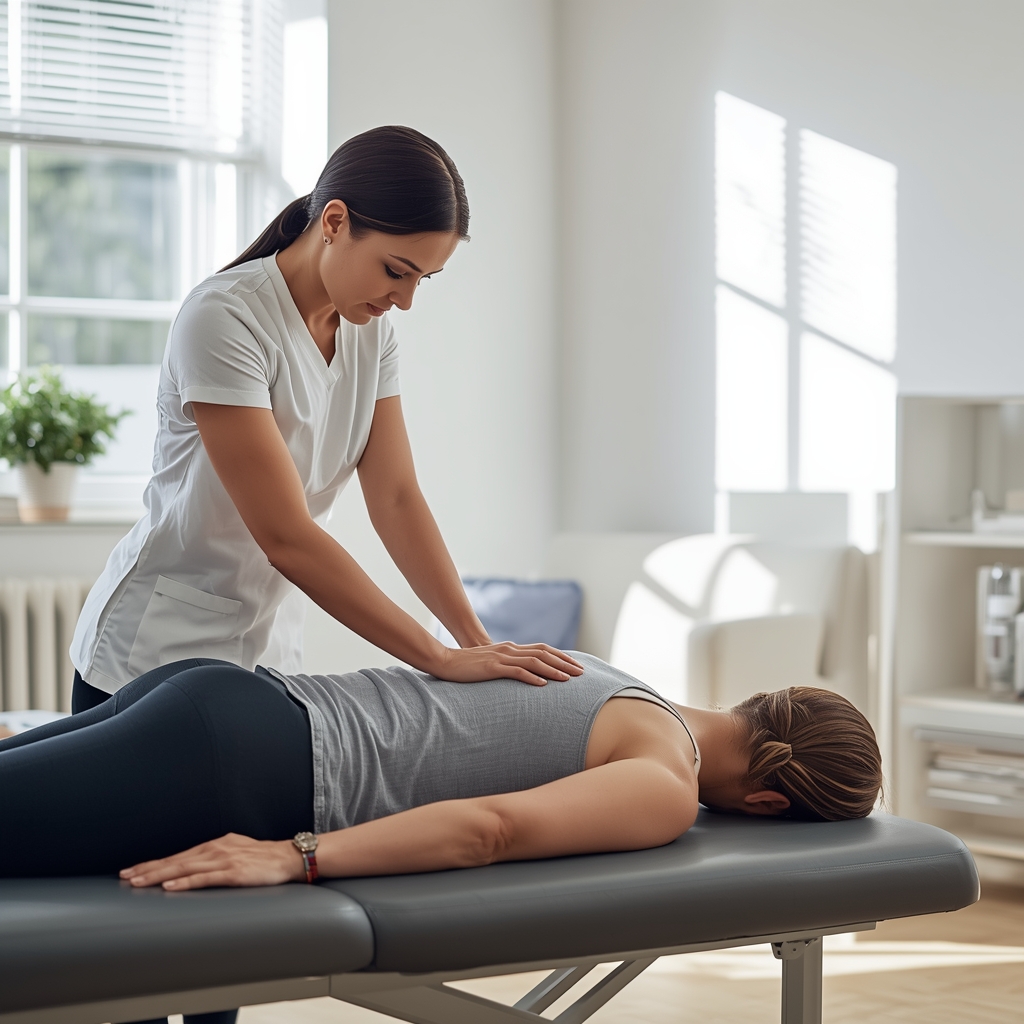
Combining Massage Therapy and Spinal Adjustments for Sports Injury Recovery
Integrating massage therapy with spinal adjustments offers a holistic approach to recovery for athletes dealing with sports-related injuries. Spinal adjustments focus on realigning the spine to improve nervous system function and reduce pain, while massage therapy targets soft tissues to alleviate tension and promote healing. Together, these therapies address both structural and muscular imbalances that often accompany injuries. This combined method can enhance mobility, reduce recovery time, and support the body’s natural healing processes. Many practitioners observe that patients experience more comprehensive relief when these treatments are used in tandem, making it a valuable strategy for those recovering from physical trauma.
Reducing Muscle Tension and Improving Flexibility
Massage therapy is particularly effective at loosening tight muscles and breaking up adhesions that form after an injury. When paired with spinal adjustments, this can create a synergistic effect, as adjusted joints are better able to move through their full range of motion. Tight muscles can restrict spinal alignment, so addressing them through massage helps maintain the benefits of adjustments. This dual approach also supports flexibility, which is crucial for athletes aiming to return to their sport. By reducing muscle stiffness, patients may experience less discomfort during rehabilitation and a smoother transition back to physical activity.
Enhancing Blood Flow and Reducing Inflammation
Massage therapy stimulates blood circulation, delivering oxygen and nutrients to injured tissues while helping remove metabolic waste. This improved circulation can accelerate healing and reduce swelling, which is common after sports injuries. Spinal adjustments also contribute to better circulation by relieving pressure on nerves and blood vessels. When combined, these therapies may enhance the body’s ability to repair itself. Additionally, reduced inflammation can lead to less pain and a faster recovery timeline. Patients often report feeling more relaxed and less sore after integrated treatments, which can positively impact their overall rehabilitation experience.
Supporting Nervous System Function
The nervous system plays a critical role in pain perception and muscle control, and both massage therapy and spinal adjustments influence its function. Spinal adjustments can improve nerve communication between the brain and body, while massage therapy reduces stress and promotes relaxation. This dual effect may help regulate pain signals and enhance the body’s natural healing responses. For athletes, maintaining optimal nervous system function is essential for coordination, balance, and recovery. By addressing both mechanical and neurological factors, integrated care can provide a more balanced approach to rehabilitation, supporting long-term wellness.
Pain Management and Functional Recovery
Combining massage therapy with spinal adjustments can offer a multi-faceted approach to pain management. While adjustments may correct misalignments contributing to pain, massage therapy targets localized discomfort and muscle spasms. This dual strategy can reduce reliance on medication and provide more sustainable relief. For athletes, managing pain effectively is key to regaining function and returning to sport. Patients often find that integrated care helps them stay consistent with rehabilitation exercises, as discomfort is minimized. However, it’s important to consult with a qualified chiropractor to tailor the treatment plan to individual needs and injury types.
Personalized Care for Optimal Outcomes
Every sports injury is unique, and the effectiveness of integrated therapies depends on a personalized approach. A chiropractor may recommend specific massage techniques, such as deep tissue or myofascial release, based on the patient’s condition. Similarly, spinal adjustments are tailored to address individual misalignments. This customized care ensures that both therapies work together to meet the patient’s recovery goals. Open communication between the patient and healthcare providers is essential to monitor progress and make necessary adjustments. By combining expertise from both disciplines, patients can achieve more comprehensive and lasting results in their rehabilitation journey.















