
Understanding Chronic Shoulder Pain and Integrated Care
Chronic shoulder pain often stems from complex interactions between musculoskeletal, neurological, and postural factors. While isolated treatments may provide temporary relief, integrating multiple approaches can address both symptoms and underlying causes. Massage therapy and spinal adjustments are two complementary modalities that target different aspects of pain. Spinal adjustments focus on correcting misalignments that may contribute to referred pain or nerve irritation, while massage therapy alleviates muscle tension and improves circulation. Together, they create a holistic strategy that supports the body’s natural healing processes. This synergy can be particularly beneficial for patients with long-standing shoulder discomfort, as it reduces inflammation, enhances mobility, and promotes overall musculoskeletal balance.
The Role of Spinal Adjustments in Shoulder Pain Relief
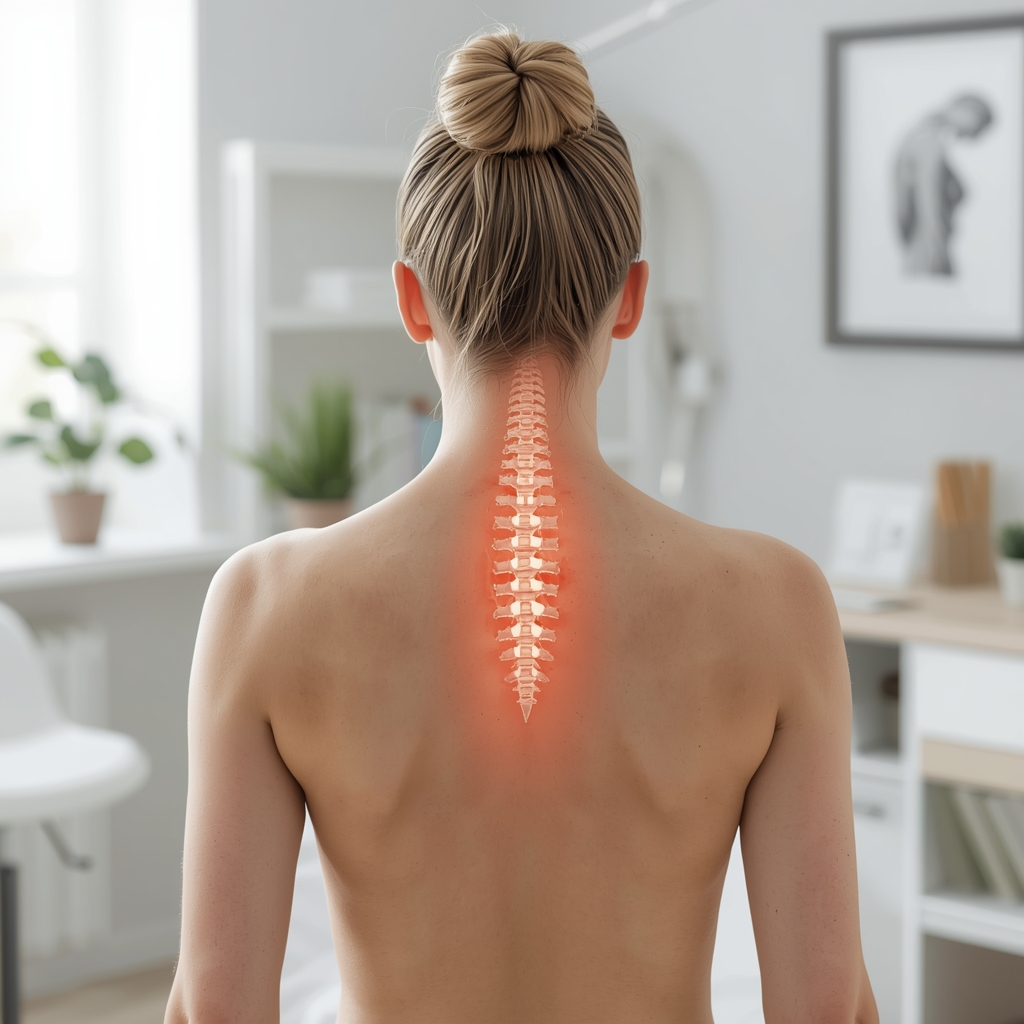
Spinal adjustments aim to restore proper alignment and function to the vertebrae, which can indirectly influence shoulder mechanics. Misalignments in the cervical or thoracic spine may alter nerve signals or create tension in surrounding muscles, contributing to shoulder pain. By realigning these areas, chiropractors can reduce pressure on nerves and improve joint mobility. This approach not only addresses direct spinal issues but also considers how spinal health impacts posture and movement patterns. For patients with chronic shoulder pain, spinal adjustments may help alleviate secondary strain on the shoulder complex, creating a foundation for more effective recovery. However, results often depend on individual conditions and the need for a tailored treatment plan.
How Massage Therapy Complements Spinal Care
Massage therapy targets soft tissues, such as muscles, tendons, and ligaments, to reduce tension and improve flexibility. For patients with chronic shoulder pain, this can be especially valuable in addressing tightness in the trapezius, rotator cuff, or surrounding areas. By increasing blood flow and reducing muscle knots, massage helps ease discomfort and enhance range of motion. It also promotes relaxation, which can lower stress-related tension that exacerbates pain. When combined with spinal adjustments, massage therapy supports the body’s ability to maintain proper alignment and function. This dual approach ensures that both structural and muscular components are addressed, leading to more sustainable relief and improved overall well-being.
Synergistic Effects on Inflammation and Mobility
The combination of massage therapy and spinal adjustments can create a powerful effect on inflammation and joint mobility. Spinal adjustments may reduce nerve irritation and improve spinal mechanics, while massage therapy decreases muscle inflammation and promotes lymphatic drainage. This dual action can lead to faster recovery and reduced discomfort. Additionally, improved mobility from spinal realignment allows for more effective muscle stretching during massage, enhancing the overall therapeutic outcome. Patients often experience a more balanced approach to pain management, as these therapies work together to restore function and prevent future complications. This integration highlights the importance of addressing both structural and soft tissue factors in chronic pain conditions.
Patient Outcomes and Long-Term Benefits
Many patients report improved outcomes when massage therapy and spinal adjustments are used together. This integrated approach can lead to reduced pain intensity, increased flexibility, and better functional abilities. By addressing both musculoskeletal imbalances and nerve-related issues, patients often experience more consistent relief than with single-modality treatments. Long-term benefits may include enhanced posture, fewer recurring pain episodes, and a greater ability to perform daily activities. However, individual results vary, and consistency in treatment is key. Patients are encouraged to work closely with their chiropractor and massage therapist to develop a personalized plan that aligns with their specific needs and goals.
Consulting Professionals for Integrated Care
For patients considering the integration of massage therapy and spinal adjustments, consulting qualified professionals is essential. A chiropractor can assess spinal alignment and determine if adjustments are appropriate, while a licensed massage therapist can address soft tissue concerns. Together, they can create a coordinated treatment plan that maximizes benefits and minimizes risks. It’s important to communicate openly with both providers to ensure compatibility between therapies. While this approach can be highly effective, it should always be tailored to the individual’s condition and health history. Patients are advised to seek care from licensed practitioners to achieve the best possible outcomes.













