
Understanding the Connection Between Spinal Health and Plantar Fasciitis
Plantar fasciitis, a common cause of heel pain, often stems from inflammation of the thick tissue connecting the heel to the toes. While localized treatments like stretching and orthotics are standard, integrating massage therapy with spinal adjustments offers a holistic approach. Spinal misalignments can affect nerve function, potentially contributing to musculoskeletal imbalances that exacerbate foot pain. By addressing these imbalances, chiropractic care may support the body’s natural healing processes, while massage therapy targets soft tissue tension. This combination aims to reduce pain and improve mobility, offering patients a comprehensive recovery strategy.
How Spinal Adjustments May Support Recovery
Spinal adjustments focus on correcting vertebral misalignments, which can influence nerve pathways and muscle function throughout the body. For plantar fasciitis, a chiropractor might evaluate how spinal health affects lower limb mechanics. For example, improper alignment in the lower back or pelvis could lead to altered gait patterns, increasing strain on the plantar fascia. By restoring proper spinal function, adjustments may alleviate secondary stressors contributing to foot pain. This approach emphasizes the body’s interconnected systems, suggesting that addressing spinal health can complement traditional treatments for plantar fasciitis.
The Role of Massage Therapy in Plantar Fasciitis Care
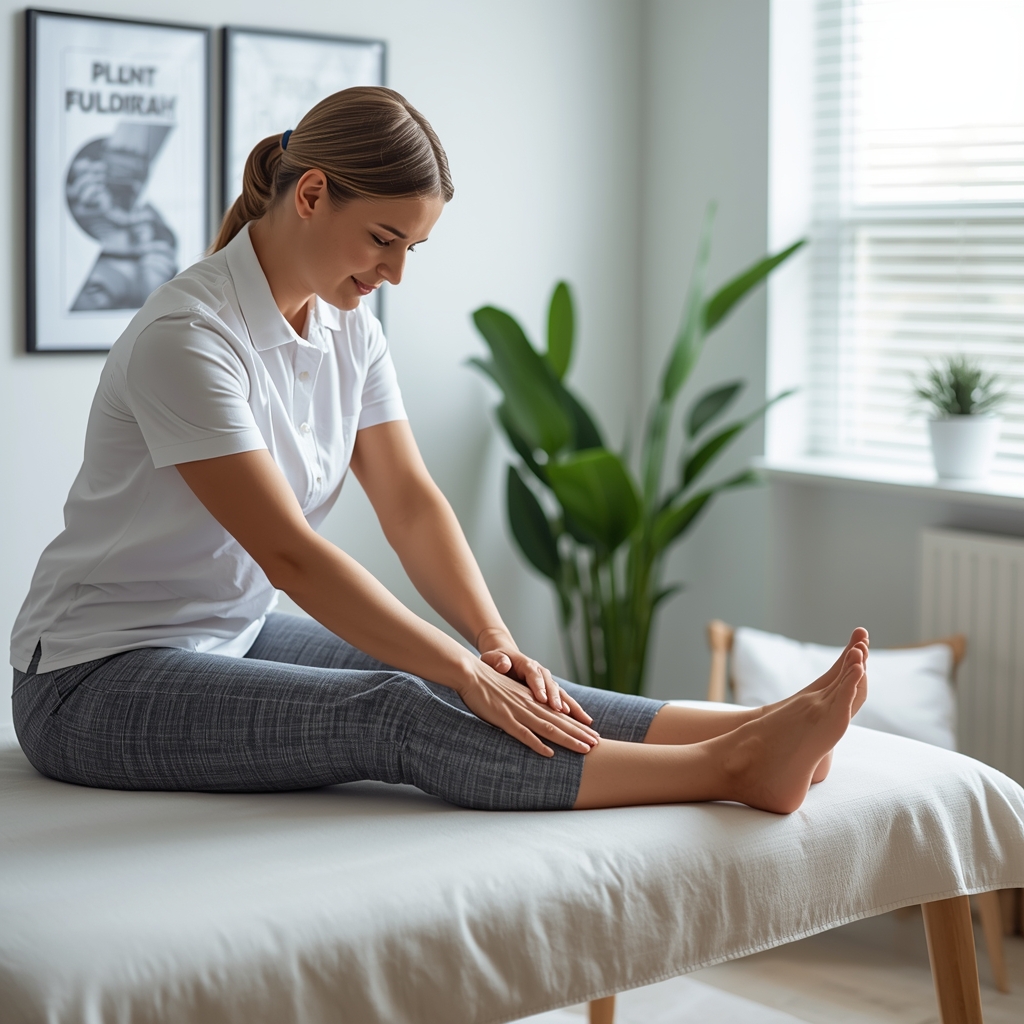
Massage therapy targets soft tissues, helping to reduce tension, improve circulation, and ease pain. For plantar fasciitis, techniques focusing on the feet, calves, and lower legs can relieve tightness in the Achilles tendon and surrounding muscles. This may decrease pressure on the plantar fascia, promoting faster recovery. Additionally, massage can stimulate the release of endorphins, the body’s natural pain relievers. When combined with spinal adjustments, it addresses both localized and systemic factors. However, patients should consult a qualified provider to ensure techniques are tailored to their specific condition and avoid overuse of sensitive areas.
Synergistic Benefits of Combined Therapies
Integrating massage therapy with spinal adjustments creates a multi-faceted approach to plantar fasciitis. Spinal adjustments may correct nerve interference and improve biomechanics, while massage therapy reduces muscle stiffness and enhances blood flow. This dual strategy can lead to faster pain relief and improved mobility. For instance, a chiropractor might use adjustments to realign the spine, then apply massage to relax tight muscles in the lower extremities. Together, these methods address both structural and soft tissue components of the condition. Patients often report greater comfort and functional improvement when therapies are used in tandem, highlighting the value of a coordinated care plan.
Considerations for Patients Seeking Integrated Care
While combining massage therapy with spinal adjustments can be beneficial, individual results vary. Patients should work with licensed chiropractors and massage therapists to develop a personalized plan. A thorough evaluation is essential to identify underlying causes of plantar fasciitis and determine the most appropriate interventions. For example, someone with severe inflammation may need a different approach than someone with chronic stiffness. Open communication with healthcare providers ensures therapies are safe and effective. It’s also important to monitor progress and adjust the plan as needed, avoiding any practices that worsen symptoms.
Conclusion: A Holistic Path to Recovery
Integrating massage therapy with spinal adjustments offers a promising approach for managing plantar fasciitis. By addressing both spinal alignment and soft tissue health, this combination may enhance recovery and reduce discomfort. However, it’s crucial to seek guidance from qualified professionals to ensure safe and effective care. Patients should view these therapies as part of a broader strategy, which may include lifestyle modifications and targeted exercises. As research continues to explore the benefits of integrative care, many find that a collaborative approach supports long-term wellness. Always consult a healthcare provider to determine the best options for your specific needs.












