
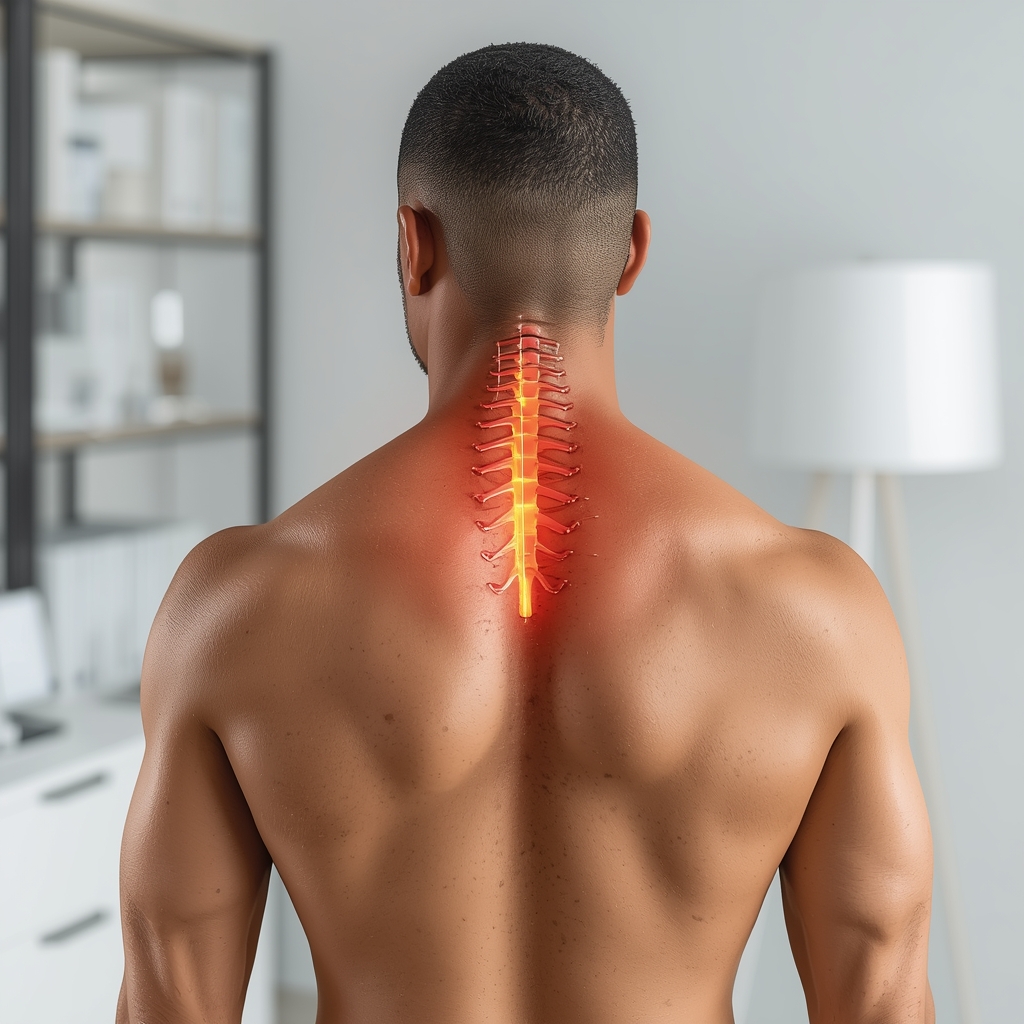
Understanding Dry Needling and Acupuncture
Dry needling and acupuncture both use thin needles to address musculoskeletal pain, but they differ in origin and approach. Dry needling, rooted in Western medicine, targets myofascial trigger points—tender knots in muscles—to relieve pain and improve function. Acupuncture, based on traditional Chinese medicine, stimulates specific points along meridians to balance energy (qi) and promote healing. While dry needling focuses on physiological responses, acupuncture incorporates holistic principles. Both techniques aim to reduce pain but operate under distinct theoretical frameworks, making them distinct yet complementary options for managing myofascial pain syndromes.
Mechanisms of Action
Dry needling works by inserting needles directly into trigger points to elicit a local twitch response, which can break the pain cycle and restore muscle function. This method relies on anatomical and physiological principles, such as reducing muscle tension and improving blood flow. Acupuncture, in contrast, stimulates points to influence nerve activity, release endorphins, and modulate pain signals. It also aims to harmonize the body’s energy flow, though the exact mechanisms remain less understood through Western science. Both techniques may reduce inflammation and promote tissue repair, but their underlying theories and applications differ, shaping their use in clinical settings.
Effectiveness for Chronic Shoulder Pain
Research suggests both dry needling and acupuncture can alleviate chronic shoulder pain, though evidence varies. Dry needling may provide targeted relief by addressing specific trigger points, while acupuncture’s broader approach could influence systemic pain pathways. Studies on chronic shoulder pain often focus on individual techniques, with limited direct comparisons. Some patients report significant improvement with either method, but outcomes depend on factors like pain severity, underlying causes, and treatment consistency. Neither approach is universally superior, and results may vary, highlighting the importance of personalized care and professional guidance.
Safety and Side Effects
Both dry needling and acupuncture are generally safe when performed by trained professionals. Common side effects include mild soreness, bruising, or temporary discomfort at the needle sites. Dry needling may carry a slightly higher risk of localized reactions due to its focus on trigger points, while acupuncture’s holistic nature could lead to varied responses. Serious complications, such as infections or organ puncture, are rare but possible if proper techniques are not followed. Patients should ensure practitioners are licensed and experienced. Discussing medical history and current conditions with a provider can minimize risks and optimize safety for both approaches.
Choosing the Right Approach
The decision between dry needling and acupuncture depends on individual needs, preferences, and practitioner expertise. Dry needling may suit those seeking targeted, symptom-focused relief, while acupuncture could appeal to patients interested in a holistic, energy-based approach. Factors like pain duration, underlying conditions, and treatment goals also play a role. A chiropractor or healthcare provider can evaluate the condition and recommend the most appropriate method. Open communication about expectations and potential outcomes helps align the chosen therapy with the patient’s needs, ensuring a tailored and effective treatment plan.
Conclusion: Integrating Both Techniques
Dry needling and acupuncture offer distinct yet complementary strategies for managing myofascial pain, including chronic shoulder pain. While dry needling targets specific muscle knots with a physiological focus, acupuncture addresses broader energy imbalances. Both have shown promise in clinical settings, though evidence remains inconclusive on which is more effective for every individual. Combining these approaches under professional guidance may enhance outcomes, leveraging their unique benefits. Patients should consult qualified providers to explore options, ensuring safe and personalized care that aligns with their health goals and preferences.














