
Understanding Myofascial Pain in the Quadratus Lumborum
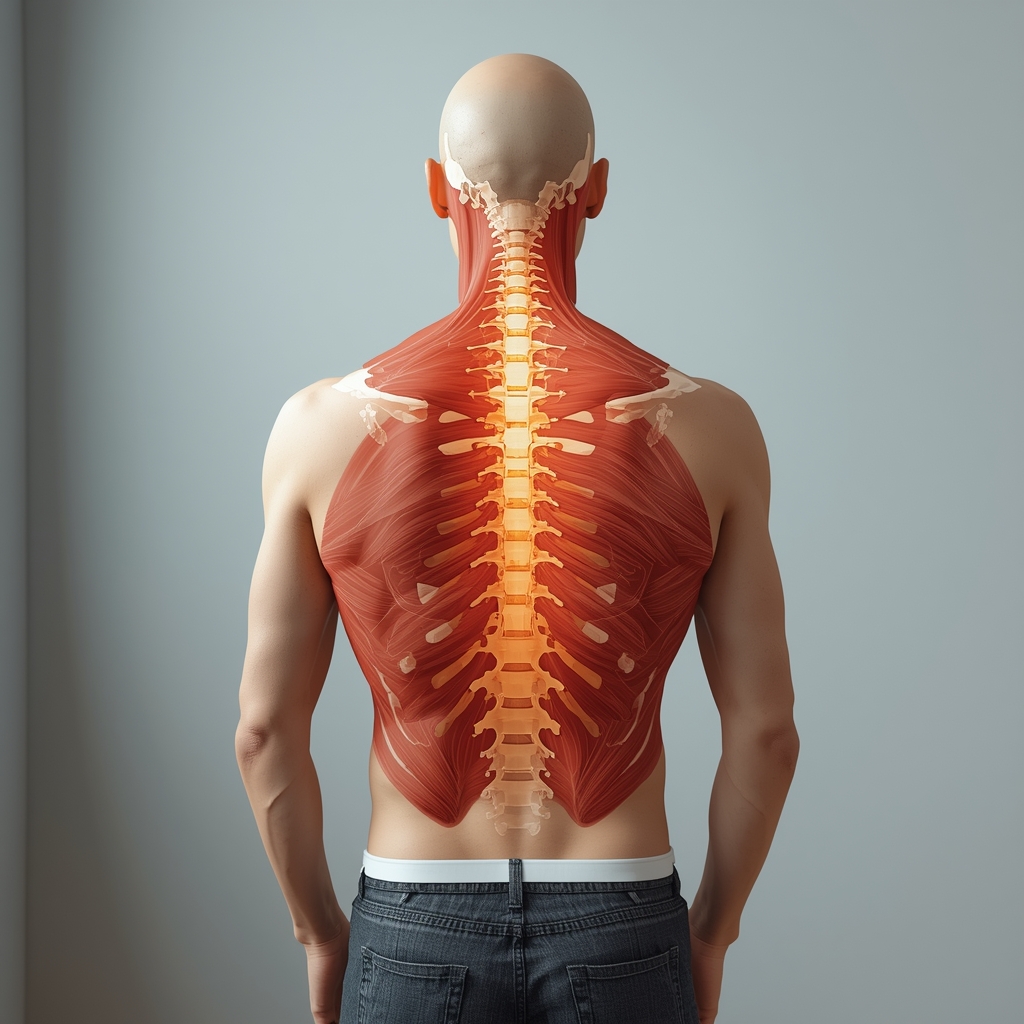
The quadratus lumborum (QL) is a deep back muscle critical for stabilizing the lower spine and pelvis. Myofascial pain in this area often manifests as localized tenderness, referred pain to the hips or lower back, and restricted movement. Trigger points within the QL can develop due to postural strain, overuse, or musculoskeletal imbalances. While the exact mechanisms of myofascial pain are complex, it is broadly associated with heightened sensitivity in muscle fibers and disrupted neuromuscular function. Dry needling is frequently used to address these issues by targeting trigger points, but its application requires careful consideration of the muscle’s anatomy and the patient’s overall condition.
Principles of Dry Needling for Myofascial Trigger Points
Dry needling involves inserting thin needles into trigger points to elicit a therapeutic response. For the QL, this technique aims to release tension, improve blood flow, and modulate pain signals. The process may involve locating palpable knots or tight bands within the muscle and stimulating them to promote relaxation. While the exact physiological effects are not fully understood, clinical observations suggest that dry needling can reduce muscle hyperactivity and restore normal function. Practitioners often use either superficial or deep needling techniques, depending on the depth of the trigger point. The goal is to achieve a local twitch response, which is believed to indicate a successful intervention. However, outcomes vary, and the approach should be tailored to individual patient needs.
Common Dry Needling Protocols for the Quadratus Lumborum
Clinical practice often employs standardized protocols for dry needling the QL, though variations exist based on practitioner preference and patient presentation. A typical session may involve inserting needles into multiple trigger points within the muscle, leaving them in place for several minutes. Some protocols emphasize brief insertions to avoid excessive tissue irritation, while others use repeated stimulation to achieve cumulative effects. The number of sessions required depends on the severity of the condition and the patient’s response. Many practitioners combine dry needling with soft tissue mobilization or movement-based therapies to enhance outcomes. Consistency and communication between the patient and provider are key to optimizing results.
Factors Influencing Effectiveness of Dry Needling
The success of dry needling for QL myofascial pain depends on several factors, including the practitioner’s expertise, the patient’s adherence to complementary care, and the underlying causes of the condition. Proper patient positioning and accurate identification of trigger points are critical to avoid complications. Additionally, the patient’s overall health, such as blood clotting status or skin integrity, may influence the safety and efficacy of the procedure. Psychological factors, like stress or anxiety, can also impact recovery. While dry needling is generally well-tolerated, individual responses vary, and results may not be immediate. A holistic approach that addresses lifestyle, posture, and muscle imbalances often enhances long-term outcomes.
Integrating Dry Needling with Other Therapeutic Approaches
Dry needling is often part of a broader treatment plan for QL myofascial pain. Combining it with manual therapies, such as soft tissue mobilization or chiropractic adjustments, can address both muscular and structural components of the condition. Physical therapy exercises, including stretching and strengthening routines, may also support recovery by improving flexibility and reducing recurrence. Some practitioners recommend complementary modalities like heat therapy or electrical stimulation to augment the effects of dry needling. Patients are typically advised to stay hydrated and avoid strenuous activity post-treatment. A multidisciplinary strategy ensures that all contributing factors to the pain are addressed, promoting more sustainable relief.
Safety Considerations and Patient Preparation
Safety is a priority when performing dry needling on the quadratus lumborum. Practitioners must be trained in proper needle insertion techniques to minimize risks like infection, bleeding, or nerve damage. Patients should disclose any medical conditions, medications, or allergies that could affect the procedure. Pre-treatment assessments, including a review of the patient’s medical history, help identify contraindications. During the session, clear communication between the patient and provider ensures comfort and allows for adjustments if needed. Post-treatment, patients may experience mild soreness, which typically resolves within a day or two. Following the provider’s guidance on aftercare, such as gentle movement or ice application, helps optimize recovery and reduce adverse effects.













