
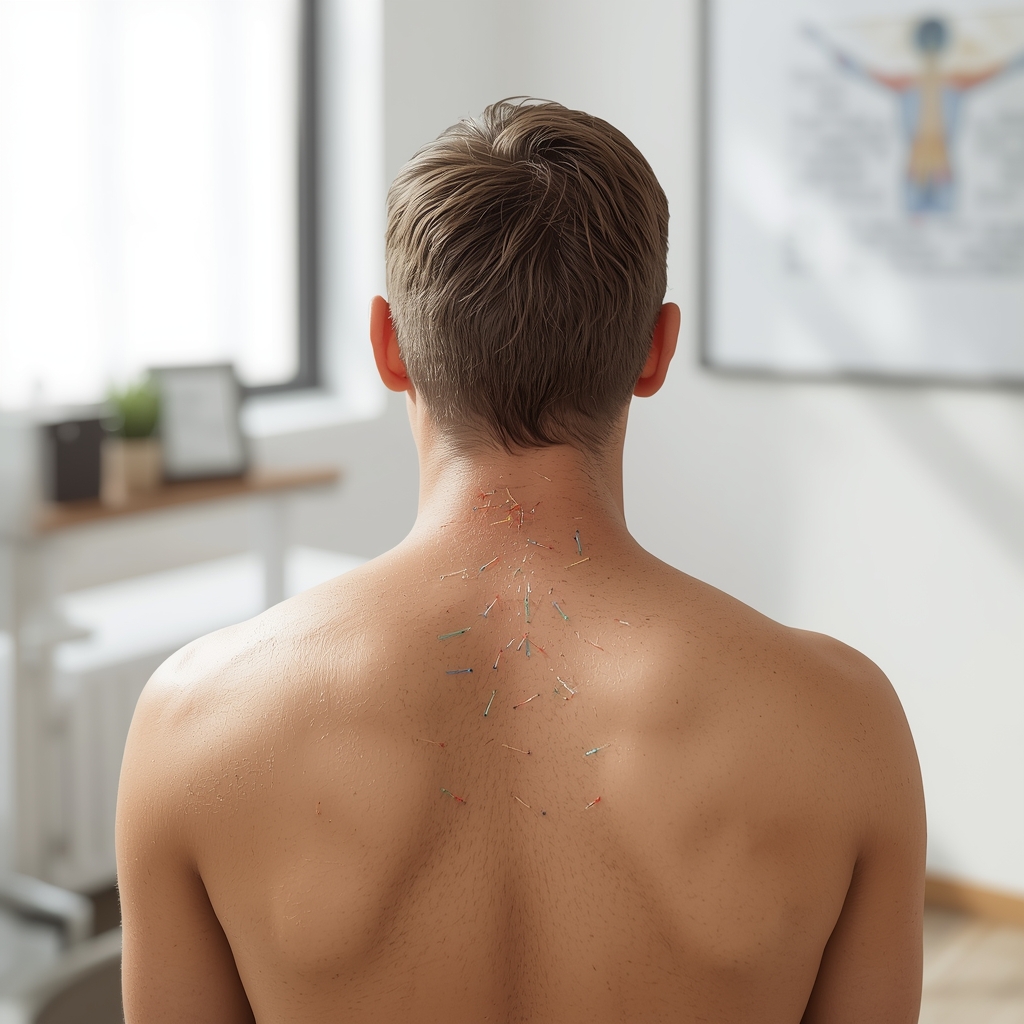
Origins and Philosophies
Dry needling and acupuncture both involve inserting thin needles into the body but stem from different medical traditions. Acupuncture originates from traditional Chinese medicine, which views the body as a balance of energy (qi) flowing through meridians. Practitioners stimulate specific points to restore harmony. Dry needling, in contrast, is rooted in Western medical science, focusing on neuromuscular systems. It targets myofascial trigger points—tender knots in muscles—to alleviate pain and improve function. While acupuncture addresses holistic energy flow, dry needling directly engages musculoskeletal physiology. This distinction shapes their approaches to treatment, though both aim to reduce pain and enhance recovery.
Techniques and Tools
The techniques and tools used in dry needling and acupuncture differ significantly. Acupuncture typically involves inserting fine needles into specific points along energy pathways, often leaving them in place for 20–30 minutes. The depth and angle vary based on the point and patient needs. Dry needling, however, uses similar needles but focuses on inserting them directly into trigger points within muscles. The needles may be manipulated or left in place briefly to release tension. While both rely on needle insertion, dry needling emphasizes localized muscle work, whereas acupuncture considers broader systemic effects. Equipment is largely similar, but the application strategy reflects their distinct therapeutic goals.
Applications for Myofascial Pain Syndrome
Both dry needling and acupuncture are used to treat myofascial pain syndrome, but their applications vary. Myofascial pain involves trigger points causing localized or referred pain, often linked to muscle overuse or injury. Dry needling directly targets these trigger points to release tension and restore muscle function, making it a popular choice for musculoskeletal issues. Acupuncture addresses pain through a broader lens, potentially influencing nerve activity and inflammation. While dry needling focuses on mechanical muscle relief, acupuncture may modulate pain signals and promote overall balance. Patients with myofascial pain might benefit from either approach, depending on their specific symptoms and provider expertise.
Safety and Side Effects
Safety profiles for dry needling and acupuncture are generally favorable when performed by trained professionals. Common side effects include minor bruising, soreness, or temporary increased pain at the insertion site. Both techniques carry risks of infection or organ puncture if not executed properly, though these are rare with skilled practitioners. Acupuncture’s holistic approach may lead to broader systemic effects, while dry needling’s localized focus reduces the likelihood of widespread reactions. Patients should disclose medical conditions or medications to minimize risks. Always seek treatment from licensed providers to ensure safety and effectiveness.
Integration with Other Treatments
Both dry needling and acupuncture can complement other therapies for myofascial pain. Dry needling often works alongside physical therapy, massage, or exercise to enhance muscle function and reduce stiffness. Acupuncture may be integrated with anti-inflammatory medications, chiropractic adjustments, or lifestyle modifications. Combining these techniques can address pain from multiple angles—targeting muscle tension while supporting overall wellness. Patients should discuss their treatment plan with a healthcare provider to ensure compatibility. For example, dry needling might precede stretching exercises, while acupuncture could support long-term pain management. A personalized approach maximizes benefits without overburdening the body.
Choosing the Right Approach
Selecting between dry needling and acupuncture depends on individual needs and provider recommendations. Dry needling may be preferable for localized muscle pain, especially when trigger points are the primary issue. Acupuncture offers a broader, systemic approach, potentially addressing pain, stress, or other related symptoms. Patients should consider their comfort with each method, as some may prefer the traditional framework of acupuncture or the targeted focus of dry needling. A qualified practitioner can assess symptoms and goals to determine the best fit. Open communication with healthcare providers ensures the chosen treatment aligns with overall health objectives and safety standards.














