
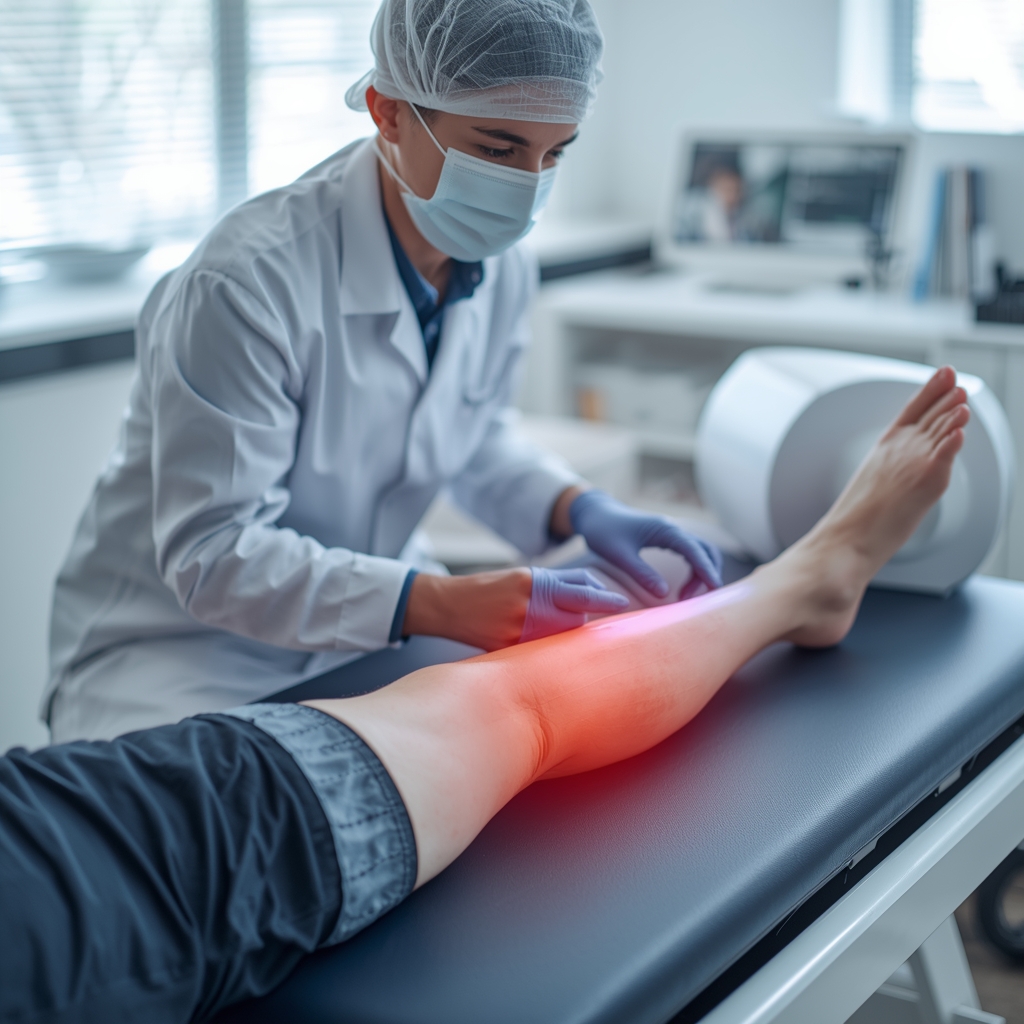
Understanding Achilles Tendinopathy and Cold Laser Therapy
Achilles tendinopathy involves degeneration of the Achilles tendon, often causing pain and stiffness in the lower leg. It commonly affects athletes and active individuals due to overuse. Cold laser therapy, also known as low-level laser therapy (LLLT), uses specific wavelengths of light to stimulate cellular function. This non-invasive approach aims to reduce inflammation and promote tissue repair without medication. By targeting the affected area, cold laser therapy may enhance the body’s natural healing processes. It is often used alongside other treatments to manage symptoms and improve mobility. Understanding how this therapy interacts with the body’s systems can help patients make informed decisions about their care. While research continues, many find it a valuable option for addressing tendon-related issues.
How Cold Laser Therapy Works on Tendons
Cold laser therapy works by delivering light energy to the affected tissues, which is absorbed by cells and converted into biochemical energy. This process, called photobiomodulation, can increase ATP production and reduce oxidative stress. For Achilles tendinopathy, this may help repair damaged tendon fibers and improve blood flow. The therapy is thought to stimulate fibroblasts, the cells responsible for collagen production, which is essential for tendon strength. By reducing inflammation and encouraging cellular activity, cold laser therapy may accelerate recovery. It is typically administered in multiple sessions, with each session lasting a few minutes. The exact mechanism is still under study, but its non-invasive nature makes it appealing for those seeking drug-free alternatives.
Benefits of Cold Laser Therapy for Tendon Healing
One key benefit of cold laser therapy is its ability to reduce pain and inflammation without medication. This makes it a suitable option for individuals looking to avoid pharmaceuticals. The therapy may also enhance the body’s natural healing response, potentially shortening recovery time. By improving circulation and cellular function, it can support the repair of degenerated tendon tissue. Patients often report improved flexibility and reduced discomfort after consistent treatments. Additionally, cold laser therapy is generally safe, with minimal side effects. It can be integrated into a broader treatment plan that includes physical therapy or exercise. While results vary, many find it a helpful adjunct to traditional care methods.
Integrating Cold Laser Therapy into Treatment Plans
Chiropractors may recommend cold laser therapy as part of a comprehensive approach to managing Achilles tendinopathy. The therapy is typically used alongside other interventions, such as stretching, strengthening exercises, or manual adjustments. Treatment plans are tailored to individual needs, with sessions scheduled based on the severity of the condition. Patients might undergo several sessions over weeks to achieve optimal results. It is important to follow a chiropractor’s guidance to ensure the therapy is applied correctly. Cold laser therapy is not a standalone solution but can complement other therapies. Regular assessments help track progress and adjust the plan as needed. This holistic approach addresses both symptoms and underlying factors contributing to the condition.
Cold Laser Therapy vs. Other Non-Medication Treatments
Compared to other non-medication treatments, cold laser therapy offers a unique combination of safety and efficacy. Physical therapy and exercise are often primary interventions, focusing on strengthening and flexibility. Ice therapy and rest are also common but may not address underlying tissue repair. In contrast, cold laser therapy directly targets cellular processes to promote healing. It is less invasive than some alternatives and does not require recovery time. However, its effectiveness can depend on factors like treatment frequency and patient compliance. While it may not replace other methods, it can enhance their outcomes. Patients should discuss options with a chiropractor to determine the best approach for their specific needs.
Consulting a Chiropractor for Cold Laser Therapy
If considering cold laser therapy for Achilles tendinopathy, consulting a qualified chiropractor is essential. They can evaluate the condition and determine if this therapy is appropriate. A chiropractor will create a personalized treatment plan, considering factors like symptom severity and overall health. They may also recommend complementary strategies, such as ergonomic adjustments or lifestyle changes. It is important to communicate openly about any concerns or expectations. While cold laser therapy is generally safe, proper administration by a trained professional is crucial. Patients should be cautious of unverified claims and seek care from licensed practitioners. Regular follow-ups help ensure the therapy remains effective and aligned with recovery goals.














